

What are EPDM Rubber Granules? Understanding Their Impact on Artificial Turf Performance.
As an expert in outdoor surfacing, I often get asked about the materials that make our sports fields and playgrounds safe, durable, and vibrant. Today, I want to delve into EPDM Rubber Granules. These small, colorful pellets are far more than just a decorative filler; they play a critical role in the performance and longevity of artificial turf and safety surfaces, ensuring protection and enhancing usability.
Join me as we explore the world of EPDM, from its foundational properties to the strategic planning of its market journey, including understanding its seasonality and developing a robust marketing calendar. My goal is to illuminate how these versatile granules contribute to exceptional artificial turf surfaces around the globe. I believe that a deep understanding of the core characteristics and market dynamics of EPDM Rubber Granules is key to fully appreciating their profound impact on our recreational and athletic spaces.
Key Takeaways
- What are EPDM Granules? EPDM (Ethylene Propylene Diene Monomer) is a durable synthetic rubber engineered for resilience. The granules are used as infill in artificial turf and as a primary component in poured safety surfaces for playgrounds and tracks.
- Core Benefits: The primary advantages of EPDM granules include superior safety through shock absorption, exceptional durability against weather and UV radiation, and vast aesthetic flexibility with a wide range of stable colors.
- Safety First: EPDM's ability to cushion impact is critical. It helps surfaces meet specific "Critical Fall Height" (CFH) standards, which are designed to prevent life-threatening head injuries from falls on playgrounds.
- Built to Last: Thanks to its saturated polymer backbone, EPDM resists degradation from ozone, UV light, and extreme temperatures, ensuring a long service life and cost-efficiency over time.
- Seasonality is Key: The demand for EPDM granules peaks in spring and summer, driven by favorable weather for installation and alignment with school and sports league schedules. Strategic planning is essential to manage inventory and logistics during these busy periods.
- Strategic Marketing: A year-round marketing approach is most effective. This includes educating architects and facility managers in Q1, showcasing completed projects in Q2/Q3, and offering early-bird incentives in Q4 to secure future business.
Unpacking EPDM Rubber Granules: The Foundation of Superior Artificial Turf Performance
EPDM rubber granules are a cornerstone of modern high-performance surfacing. Whether used as infill to support artificial grass blades or as the primary material for a cushioned playground, these granules are engineered to deliver unparalleled safety, durability, and aesthetic versatility. Understanding their composition and function is the first step in appreciating why they are the preferred choice for so many projects.
What Exactly are EPDM Rubber Granules?
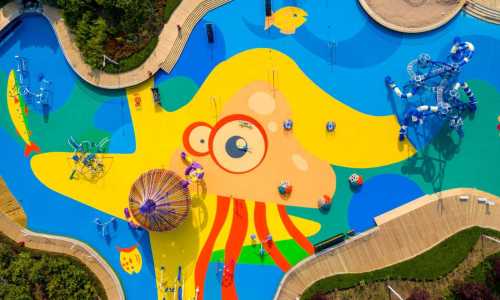
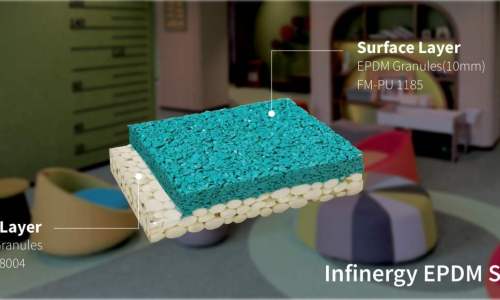
EPDM granules are small, precisely engineered particles made from a type of synthetic rubber. As an infill, they are spread between the fibers of artificial turf to provide stability, shock absorption, and a more natural feel underfoot. For playgrounds and running tracks, they are mixed with a binder and poured in place to create a seamless, cushioned, and slip-resistant surface.
The Science Behind the Granules: Composition and Key Properties
EPDM stands for Ethylene Propylene Diene Monomer, which describes the chemical building blocks of this synthetic rubber. It's a terpolymer, meaning it's made from three distinct monomers: ethylene, propylene, and a diene. The ethylene and propylene create a saturated polymer backbone, which is the secret to EPDM's extraordinary resilience. This saturated structure makes it incredibly resistant to attacks from UV radiation, ozone, and heat, which typically degrade other types of rubber. The small amount of diene is introduced to provide sites for cross-linking (vulcanization), which gives the rubber its durable, elastic properties.
The result is a material with a remarkable combination of properties:
- Exceptional Weather Resistance: EPDM can be used outdoors for decades without significant degradation from sunlight, rain, or ozone.
- Wide Temperature Range: It remains flexible and stable in temperatures from as low as -40°C (-40°F) to as high as 150°C (302°F), making it suitable for all climates.
- Chemical Resistance: It is stable against alkalis, ketones, and hot and cold water.
- High Elasticity: EPDM can stretch significantly without breaking and returns to its original shape, providing excellent shock absorption.
Why Color Matters: Aesthetic Diversity and UV Resistance
One of the most visible advantages of EPDM granules is their availability in a wide spectrum of vibrant, consistent colors. Unlike SBR (Styrene-Butadiene Rubber) from recycled tires, which is typically black and may be coated with color, virgin EPDM has color integrated throughout the granule. This ensures the color remains vivid and doesn't wear off with use or exposure to the elements.
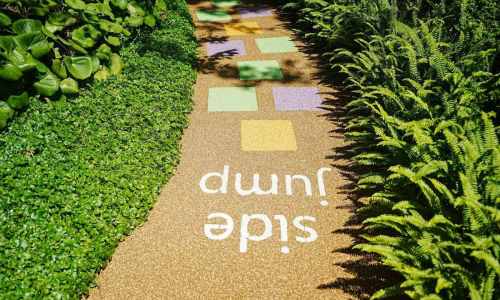
This aesthetic flexibility allows designers to create visually engaging and functional spaces. For playgrounds, bright colors and custom patterns can stimulate imagination and fun. For sports courts, different colors can be used to mark boundaries for various games. More importantly, the chemical structure that grants EPDM its superior UV resistance also ensures this color stability. While other materials may fade, crack, or become brittle under prolonged sun exposure, EPDM maintains both its structural integrity and its aesthetic appeal for years. You can check out the array of design possibilities on our product page.
Why EPDM Rubber Granules Excel in Artificial Turf Applications
EPDM granules are not just an optional upgrade; they are a fundamental component for creating top-tier artificial turf systems and safety surfaces. Their specific properties directly translate into enhanced safety, longevity, and even environmental benefits that other materials like sand or SBR crumb rubber cannot fully match.
Ensuring Safety: Shock Absorption and Anti-Slip Features
For any athletic or play surface, safety is the top priority. EPDM granules provide exceptional shock absorption, which is critical for reducing the risk of injuries from falls. This impact attenuation is a key factor in meeting the standards for Critical Fall Height (CFH). CFH is the benchmark, defined by ASTM F1292, that specifies the maximum height from which a person can fall onto a surface without expecting to sustain a life-threatening head injury. Playgrounds and sports facilities use EPDM surfaces specifically designed to meet or exceed the CFH rating of the installed equipment.
The system works by using the granules—either as loose infill within turf or as a bound surface—to cushion the impact, dissipating the energy of the fall over a slightly longer period. This reduces the peak force (G-max) and the overall strain on the body. Furthermore, EPDM surfaces offer excellent slip resistance, even in wet conditions, which helps prevent slips and falls in the first place.

Built to Last: Durability, Weather Resistance, and Lifecycle Cost Efficiency
Investing in a new sports field or playground is a significant capital expense. EPDM granules help protect that investment through superior durability. As established, EPDM's chemical makeup makes it inherently resistant to UV radiation, ozone, water, and extreme temperatures. This means an EPDM surface won't crack, harden, or degrade like other materials, leading to a much longer service life, often exceeding 30-40 years in some applications like roofing.
While the initial cost of EPDM can be higher than alternatives like SBR crumb rubber, its longevity and low maintenance requirements result in a lower lifecycle cost. SBR, being derived from tires, can break down faster under UV exposure and may contain impurities. EPDM requires minimal upkeep—typically just periodic cleaning—and its durability means fewer repairs and no need for frequent replacement, providing significant long-term savings.
The Green Advantage: Embracing Sustainable and Recycled Content
Sustainability is a growing concern in construction and material selection. EPDM granules contribute to this goal in several ways. Many EPDM products are manufactured using pre-consumer and post-industrial recycled rubber, diverting waste from landfills. This process turns scrap material from manufacturing processes into a high-value product.
While virgin EPDM is derived from petroleum byproducts, its exceptional durability means surfaces need to be replaced far less frequently, reducing the overall consumption of materials and energy over the life of a facility. Some manufacturers are also focused on creating recyclable EPDM products, which would allow the material to be repurposed at the end of its life, supporting a circular economy. When compared to other options, EPDM that is free of harmful chemicals is a safe choice for both people and the environment.
Navigating EPDM Seasonality: Adapting to Market Rhythms for Our EPDM Rubber Granules
The market for EPDM rubber granules, particularly for outdoor applications like artificial turf and playgrounds, is not static throughout the year. It follows a distinct seasonal rhythm, primarily dictated by weather patterns and the schedules of key client sectors. Understanding these fluctuations is essential for manufacturers, distributors, and installers to optimize production, manage inventory, and maximize sales opportunities.
Understanding the 'Why' Behind EPDM Market Fluctuations
The demand for EPDM granules experiences clear peaks and troughs. These are not random; they are tied to logical, predictable drivers that shape project timelines across the country.
Weather's Role in Installation Schedules (Think Spring and Summer Projects)
The installation of artificial turf and poured-in-place EPDM surfaces is highly dependent on favorable weather conditions. The polyurethane binders used to create poured surfaces require specific temperature and humidity ranges to cure properly. Rain, freezing temperatures, or excessive humidity can compromise the integrity of the surface, leading to costly failures.
As a result, the vast majority of outdoor installation projects are scheduled during the warmer, drier months of late spring, summer, and early fall. This creates a surge in demand for EPDM granules starting in Q2 and extending through Q3. Contractors need to procure materials in time for this peak installation window, causing a ripple effect up the supply chain.
School Calendars and Sports Leagues: Driving Demand and Project Timing
Schools, universities, municipalities, and sports leagues are the primary customers for EPDM-surfaced athletic fields and playgrounds. Their schedules create another layer of demand timing. Projects are often planned around the academic calendar or sports seasons to minimize disruption.
- Schools and Universities: Major installation or renovation projects are typically scheduled for the summer break (June through August) when students are away and facilities are not in use. This narrow window puts immense pressure on suppliers and installers to deliver on time.
- Sports Leagues: Field and track renovations must be completed in the off-season. A football field needs to be ready before preseason training begins in late summer, while a track needs to be finished before the spring track and field season starts.
- Municipal Parks: Public projects also tend to ramp up in the spring and summer to ensure parks and recreational areas are ready for peak public use.
These institutional timelines align perfectly with the weather-driven installation season, further concentrating demand into the middle of the year.
Maximizing Opportunities During Peak Season for EPDM Rubber Granules
The intense demand during peak season presents both an opportunity and a challenge. Success hinges on meticulous preparation and flawless execution.
Proactive Inventory and Production Planning
For a manufacturer, peak season success begins months earlier. It is crucial to analyze historical sales data and market forecasts to ramp up production well ahead of time. Building a healthy stock of high-demand colors and granule sizes ensures that we can meet orders without delay. This proactive approach prevents stockouts and avoids the need for costly, rushed production runs. It also allows for more efficient resource allocation, ensuring the production facility runs smoothly rather than in a constant state of emergency.
Streamlined Logistics and Efficient Project Turnaround
Having the product is only half the battle; getting it to the project site on time is critical. During peak season, logistics networks are strained. We prioritize establishing robust relationships with reliable shipping partners to secure capacity and ensure timely deliveries. Our logistics team works closely with contractors to coordinate "just-in-time" deliveries, preventing material from sitting on-site for too long while ensuring it arrives exactly when needed. This level of coordination minimizes project delays and helps installers maintain their tight schedules.
Strategizing for the Off-Season: Sustaining Momentum for EPDM Rubber Granules Sales
While spring and summer are the peak, the off-season (late fall and winter) is not a time for idleness. It is a critical period for strategic activities that lay the groundwork for future success and generate alternative revenue streams.
Focusing on Maintenance and Repair Services
Outdoor surfaces, even durable ones like EPDM, are subject to wear and tear. The off-season is an ideal time to market maintenance and repair services. This can include deep cleaning, minor patch repairs, and top-dressing of infill on artificial turf fields. Offering these services not only creates a steady revenue stream during slower months but also strengthens relationships with existing clients. A well-maintained field performs better and lasts longer, reflecting positively on our product and reinforcing our role as a long-term partner.
Research and Development: Enhancing Our EPDM Rubber Granules
The off-season provides the perfect opportunity to focus on innovation. Our R&D team uses this time to work on developing new colors, improving UV resistance, and experimenting with formulations that enhance shock absorption or use more sustainable materials. This commitment to continuous improvement ensures our products remain at the forefront of the industry. By the time the next peak season arrives, we can go to market with new features and benefits that set us apart from the competition, driving excitement and creating new sales opportunities.
Crafting a Winning Sales Strategy for EPDM Rubber Granules Year-Round
A successful sales strategy for EPDM granules requires a nuanced, year-round approach that goes beyond simply reacting to seasonal demand. It involves identifying and engaging key decision-makers, clearly articulating the value proposition of our products, and building strategic partnerships that expand our market presence. This proactive model ensures a steady pipeline of projects and solidifies our position as an industry leader.
Targeting Key Stakeholders: Architects, Contractors, and Facility Managers
To effectively sell EPDM granules, we must tailor our message to the specific needs and concerns of each key stakeholder in the purchasing process. While they all play a role in the decision, their priorities differ significantly.
Highlighting Safety Compliance and Long-Term Value
For architects and facility managers, the primary concerns are often liability, longevity, and total cost of ownership. Our sales approach here focuses on education and trust.
- For Architects: We provide detailed technical specifications, ASTM testing data, and documentation on safety compliance (e.g., Critical Fall Height ratings). Highlighting our granules' ability to meet and exceed safety standards helps them design with confidence, knowing their specifications are backed by reliable data. We emphasize the long-term value, showing how the durability of EPDM reduces the lifecycle cost, making it a wise specification for their clients.
- For Facility Managers: Their focus is on operational budgets and user safety. We showcase how the low-maintenance nature of EPDM surfaces saves money on upkeep over the years. We provide testimonials and case studies that demonstrate the longevity and sustained performance of our granules in real-world environments, assuring them of a durable, problem-free investment.
Showcasing Customization and Aesthetic Possibilities
For landscape architects and designers, aesthetics are paramount. Our sales strategy here is visual and inspirational. We utilize high-quality marketing materials, including a broad color palette, project portfolios, and digital color-mixing tools. By showcasing the vibrant colors and intricate designs possible with our EPDM granules, we empower them to move beyond purely functional surfaces and create unique, visually stunning environments that become centerpieces of their projects. This appeals to their creative vision and differentiates our product as a design tool, not just a building material.
Differentiating Our EPDM Rubber Granules: Virgin vs. Recycled Materials
The market offers different types of EPDM, primarily categorized as virgin or recycled. A clear and honest sales strategy addresses the differences head-on, allowing customers to make an informed choice based on their project's specific needs and budget.
Emphasizing Quality and Performance Attributes
Virgin EPDM granules are manufactured from new synthetic rubber, offering the highest level of quality control, color consistency, and performance. Our sales team emphasizes these points when targeting high-performance projects like professional athletic tracks, prestigious university fields, or high-end architectural installations. We explain that the controlled manufacturing process of virgin EPDM ensures uniform granule size and density, leading to predictable shock absorption and a flawless aesthetic finish, justifying the premium investment.
Addressing Sustainability Goals with Recycled Options
Many clients, particularly public institutions and environmentally conscious organizations, have sustainability mandates. For them, EPDM granules containing recycled content are an attractive option. Our sales strategy highlights this "green" advantage. We explain that these granules are often made from post-industrial scrap—clean, unused material from other manufacturing processes—that would otherwise go to waste. This offers a more eco-friendly choice without the potential impurities of post-consumer recycled materials (like tires), providing a strong balance of performance, sustainability, and value.
Strategic Alliances and Partnerships to Expand Our Reach
No company succeeds in a vacuum. Building a network of strategic alliances is crucial for amplifying our market reach and embedding our product within the industry ecosystem.
Collaborating with Turf Manufacturers and Installers
Artificial turf manufacturers and certified installers are our most important partners. We work to become their preferred and trusted granule supplier. This involves more than just selling to them; it's a true partnership. We provide them with consistent, high-quality products, reliable delivery, installation training, and joint marketing support. By ensuring their projects with our granules are successful and problem-free, we become an integral part of their success. In turn, they specify and recommend our products to their own customers, creating a powerful sales channel.
Participating in Industry Events and Trade Shows
Industry trade shows, such as those for parks and recreation, landscape architecture, and athletic facility management, are invaluable. They offer a unique opportunity to connect with a high concentration of key stakeholders in one place. Our presence at these events is a key sales tactic. We create engaging booths that not only display our products but also serve as educational hubs. We conduct live demonstrations, offer 'ask the expert' sessions, and network with architects, contractors, and facility managers, generating leads and strengthening brand recognition.
Sales Tactics for Different Project Phases (From Proposal to Completion)
A sale isn't a single event; it's a journey that follows the customer's project timeline. Our tactics adapt to support the customer at each stage.
Early Engagement and Consultation
The best time to influence a project is in the very early stages. Our sales team proactively engages with architects and designers during the planning and specification phase. By acting as expert consultants, we help them choose the right product for their needs, provide technical data, and even assist with design mockups. This early involvement ensures our EPDM granules are specified from the outset, making the final sale much smoother.
Post-Installation Support and Follow-Up
Our commitment to the customer doesn't end when the invoice is paid. We provide comprehensive post-installation support, including maintenance guidelines and a dedicated contact for any questions. A few months after completion, we follow up to ensure the surface is performing as expected and the client is satisfied. This excellent after-sales service builds trust, encourages repeat business, and generates powerful word-of-mouth referrals, which are the most effective sales tool of all.

Owner's Perspective: A 12-Month Guide to Project Planning & Purchasing
For property owners, facility managers, and project leaders, timing is everything. Understanding the seasonal flow of the surfacing industry can help you plan your project for optimal pricing, availability, and installation quality. Here is a month-by-month guide from your perspective.
January - March (Q1): The Planning & Design Phase
- What to do: This is the ideal time to finalize your project scope. Work with architects and designers to create specifications, select colors, and define the exact requirements for your field or playground. Conduct site assessments and get your budget approved.
- Why now: Contractors and suppliers are in their off-season. They have more time to provide detailed consultations, offer value-engineering suggestions, and give your project their full attention. Engaging them now puts you ahead of the spring rush.
- Purchasing Insight: This is the best time to solicit bids. Contractors are eager to fill their project pipeline for the year and may offer more competitive pricing or early-bird incentives to secure your business.
April - June (Q2): The Procurement & Scheduling Phase
- What to do: Finalize your choice of contractor and sign contracts. Place your material orders for EPDM granules and other necessary components. Lock in your installation dates.
- Why now: This is the beginning of the peak season. Material lead times start to get longer, and installers' schedules fill up quickly. Delaying your decisions past this point risks not getting your project completed during the summer months.
- Purchasing Insight: Material prices are stable but firming up. The flexibility for negotiation is diminishing as demand increases. Your primary goal is to secure a slot on the installation calendar and ensure your materials are allocated.
July - September (Q3): The Installation & Execution Phase
- What to do: Your project should be underway. The weather is generally favorable for installation. Maintain clear communication with your contractor for progress updates.
- Why now: This is the heart of the construction season. It's the best time for the physical work to be done efficiently.
- Purchasing Insight: This is the most expensive and difficult time to initiate a new project. Material availability may be tight, and contractors have little to no room in their schedules. Emergency or rush projects will command a significant premium. Avoid starting your purchasing journey here if at all possible.
October - December (Q4): The Wrap-Up & Future Planning Phase
- What to do: If your project was completed, this is the time for final inspections, punch lists, and learning about proper maintenance procedures. If you are planning for next year, this is an excellent time to start the cycle over.
- Why now: As the installation season winds down, contractors are once again looking to line up work for the following year.
- Purchasing Insight: Like Q1, late Q4 is a great time to negotiate for next year's projects. Suppliers may be looking to clear out any remaining inventory, and contractors are offering early-bird specials for the upcoming season. You can lock in favorable pricing and ensure you are first in line when the weather breaks in the spring.
Developing an Effective Marketing Calendar for EPDM Rubber Granules: Driving Awareness and Demand
A strategic marketing calendar is the engine that drives a year-round sales strategy. Instead of marketing sporadically, we align our efforts with the seasonal buying patterns of our customers. This ensures our message is relevant, timely, and reaches the right people when they are most receptive.
Quarterly Marketing Focus: Aligning with EPDM Seasonality
Our marketing activities are themed quarterly to match the distinct phases of the project lifecycle, from initial planning to final installation.
Q1 (January - March): Planning and Education (Highlighting Benefits and Standards)
The first quarter is the industry's planning season. Our marketing shifts into an educational mode, targeting architects, engineers, and facility managers who are in the process of designing and budgeting for the year's projects.
- Content: We publish in-depth blog posts, white papers, and technical guides focusing on topics like "Meeting ASTM Safety Standards with EPDM" or "The Lifecycle Cost Advantage of Virgin EPDM."
- Activities: We host webinars and "lunch and learn" sessions for architectural firms, offering continuing education credits. Our digital ads target professionals searching for terms like "playground safety surfacing specs" or "durable athletic track materials." The goal is to become their go-to resource for expertise and get our products specified from the ground up.
Q2/Q3 (April - September): Project Showcase and Promotions (Emphasizing New Installations)
As the weather warms up and installation season kicks into high gear, our marketing becomes more visual and action-oriented. The focus shifts to contractors and highlighting the tangible results of our products.
- Content: This is the time for stunning visuals. We heavily promote new case studies with high-quality photos and videos of recently completed projects. Testimonials from satisfied clients and installers are front and center on our social media and website.
- Activities: We run promotions targeted at installers, such as volume discounts or bundled offers on granules and binders. Our social media campaigns feature "Project of the Week," showcasing the beautiful designs created with our granules and tagging the talented installers who did the work. This not only promotes our product but also celebrates our partners.
Q4 (October - December): Future Planning and Early Bird Offers (Securing Next Year's Projects)
As the installation season winds down, our marketing focus pivots to the future. The audience is facility managers and organizations planning for the next budget cycle.
- Content: We create content around "Planning Your 2027 Facility Upgrade" and "Budgeting for Your New Playground." We share maintenance tips to help clients care for their existing surfaces through the winter.
- Activities: This is the prime time for "Early Bird" promotions. We offer special pricing for customers who commit to projects for the following spring. This helps us build a strong project pipeline before the year even begins, smoothing out the seasonal demand curve and giving us a head start on the competition.
Content That Converts: Educating Our Audience on EPDM Rubber Granules
Content is the cornerstone of our marketing strategy. It's how we demonstrate our expertise, build trust, and guide potential customers through their buying journey.
Case Studies: Real-World Impact on Artificial Turf Performance
Numbers and data are important, but stories sell. Our case studies are more than just project summaries; they are narratives of transformation. We detail the client's initial problem (e.g., a worn-out, unsafe playground), our proposed solution (a specific EPDM surface), and the final, successful outcome. We include quotes from the client and high-resolution before-and-after imagery to show the real-world impact of our products on safety, aesthetics, and usability.
Guides on Safety Compliance and Environmental Benefits
Many of our customers are not surfacing experts; they are school principals, park directors, or volunteer board members. We create easy-to-understand guides that demystify complex topics. A guide titled "Understanding Critical Fall Height: A Plain-English Guide for Playground Planners" can be an invaluable resource. Similarly, a guide on the "Sustainable Advantages of EPDM" helps clients with green initiatives make an informed choice. These guides position us as a helpful expert, not just a seller.
Blogs and Videos: 'Ask the Expert' Sessions on EPDM
To make our expertise more accessible and engaging, we produce regular blog posts and videos. An "Ask the Expert" video series where our technical director answers common questions ("How do you clean an EPDM surface?" or "What's the difference between EPDM and SBR?") builds a personal connection and trust. Blog posts on topics like "Top 5 Design Trends for Playgrounds in 2027" or "How EPDM Infill Improves Player Performance" attract organic search traffic and establish our thought leadership.
Channels for Outreach: Reaching Our Target Audience
Creating great content is only effective if the right people see it. We use a multi-channel approach to distribute our message and engage our audience where they are most active.
Digital Marketing: SEO, Social Media, and Targeted Ads for EPDM
A robust digital presence is essential.
- SEO (Search Engine Optimization): We optimize our website and content to rank highly on Google for key terms like "EPDM granules for sale," "safe playground flooring," and "artificial turf infill cost." This ensures that when potential customers are actively searching, they find us first.
- Social Media: We use platforms like LinkedIn to connect with architects and facility managers, and Instagram or Pinterest to showcase our visually appealing projects. We share our blogs, videos, and case studies to engage our followers and drive traffic back to our website.
- Targeted Ads: We use Google Ads and paid social media advertising to reach specific demographics and professional roles. For example, we can run an ad campaign for our safety compliance guides targeted specifically to users with the job title "Architect" or "Facility Manager" in a specific geographic region.
Industry Publications and Webinars
To reach a highly relevant audience, we partner with industry publications and associations. This can include writing guest articles for trade magazines (e.g., Parks & Recreation Magazine), sponsoring a webinar hosted by the American Society of Landscape Architects (ASLA), or advertising in industry-specific newsletters. These channels lend third-party credibility to our brand and put our message in front of a dedicated, professional audience.
Frequently Asked Questions (FAQ)
1. What exactly is EPDM and how is it different from other rubber infills like SBR? EPDM stands for Ethylene Propylene Diene Monomer, a high-quality synthetic rubber specifically engineered for durability and resilience. The main difference lies in its composition and manufacturing. EPDM is a "virgin" material, meaning it's produced under controlled conditions, which allows for consistent quality and color integration throughout the granule. SBR (Styrene-Butadiene Rubber) is typically "crumb rubber" derived from recycled car tires. While SBR is a cost-effective option, EPDM offers superior resistance to UV degradation, better color stability (it doesn't fade or wear off), and a more consistent performance profile because it contains no unknown fillers or contaminants from its previous life as a tire.
2. Are EPDM granules safe for children and the environment? Yes, high-quality EPDM is considered very safe. It is specifically designed to be non-toxic and is widely used in playgrounds and schools for this reason. Reputable manufacturers ensure their EPDM is free from heavy metals, phthalates, and other harmful substances. Environmentally, its extreme durability means less frequent replacement, reducing waste over the product's long lifecycle. Additionally, many EPDM products incorporate post-industrial recycled content, and the material itself is often recyclable at the end of its life, contributing to a more circular economy.
3. How do EPDM granules improve the safety of an artificial turf field or playground? EPDM's primary safety benefit is its excellent shock absorption. When used as an infill for artificial turf or in a poured-in-place playground surface, the granules compress on impact, cushioning falls and significantly reducing the risk of serious injury. This performance is measured by the Critical Fall Height (CFH), an ASTM standard that indicates the height from which a fall is unlikely to cause a life-threatening head injury. EPDM systems are engineered to meet specific CFH ratings, making them a crucial safety component for any play area.
4. Why do EPDM granules cost more than SBR crumb rubber? The price difference is due to the raw materials and manufacturing process. EPDM is a virgin synthetic polymer produced specifically for its application, which involves higher raw material and energy costs. SBR is a recycled product, created by grinding up end-of-life tires, which is a less expensive process. While the upfront cost of EPDM is higher, it's important to consider the lifecycle cost. EPDM's superior durability, weather resistance, and color retention mean it lasts longer and requires less maintenance, often making it a more cost-effective investment over the long term.
5. How much maintenance do EPDM surfaces require? EPDM surfaces are prized for being very low-maintenance. For poured-in-place playground surfaces, routine maintenance typically involves keeping the area free of debris like leaves or stones with a leaf blower or broom. Periodic cleaning with water and a mild detergent may be needed to remove dirt or stains. For artificial turf with EPDM infill, the main task is to occasionally "groom" the field with a specialized brush to keep the turf fibers upright and redistribute the infill evenly, especially in high-traffic areas. Compared to natural grass (which requires mowing, watering, and fertilizing) or lower-quality surfaces that need frequent repairs, EPDM's maintenance burden is minimal.
6. How long will an EPDM surface last? The lifespan of an EPDM surface is one of its key advantages. Thanks to its inherent resistance to UV radiation, ozone, heat, and cold, EPDM is exceptionally durable. For a playground or athletic track, you can typically expect a high-quality installation to last well over 10 years, and often much longer, with proper care. In other applications like commercial roofing, EPDM membranes have been proven to last 30 to 50 years. This longevity ensures a great return on investment.
Conclusion
In conclusion, EPDM Rubber Granules are far more than just a simple component; they are a cornerstone of modern, high-performing artificial turf and safety surfaces, delivering a superior combination of safety, durability, and aesthetic appeal. Throughout this article, we've seen how understanding their fundamental properties, coupled with smart planning around EPDM seasonality and a robust, year-round sales and marketing strategy, is crucial for success in this dynamic market.
I believe that by continuously innovating our products and strategically communicating the compelling benefits of EPDM Rubber Granules, we can continue to enhance sports and recreational spaces for communities worldwide. By prioritizing safety, focusing on long-term value, and embracing sustainability, we are not just selling a product—we are helping to build the foundation for a healthier, more active, and more vibrant future. Thank you for joining me on this exploration of a truly impactful material.