EPDM Rubber Granules Manufacturer Since 1996



Home / Recreational Trail Surfacing Solutions | FieldsMaster
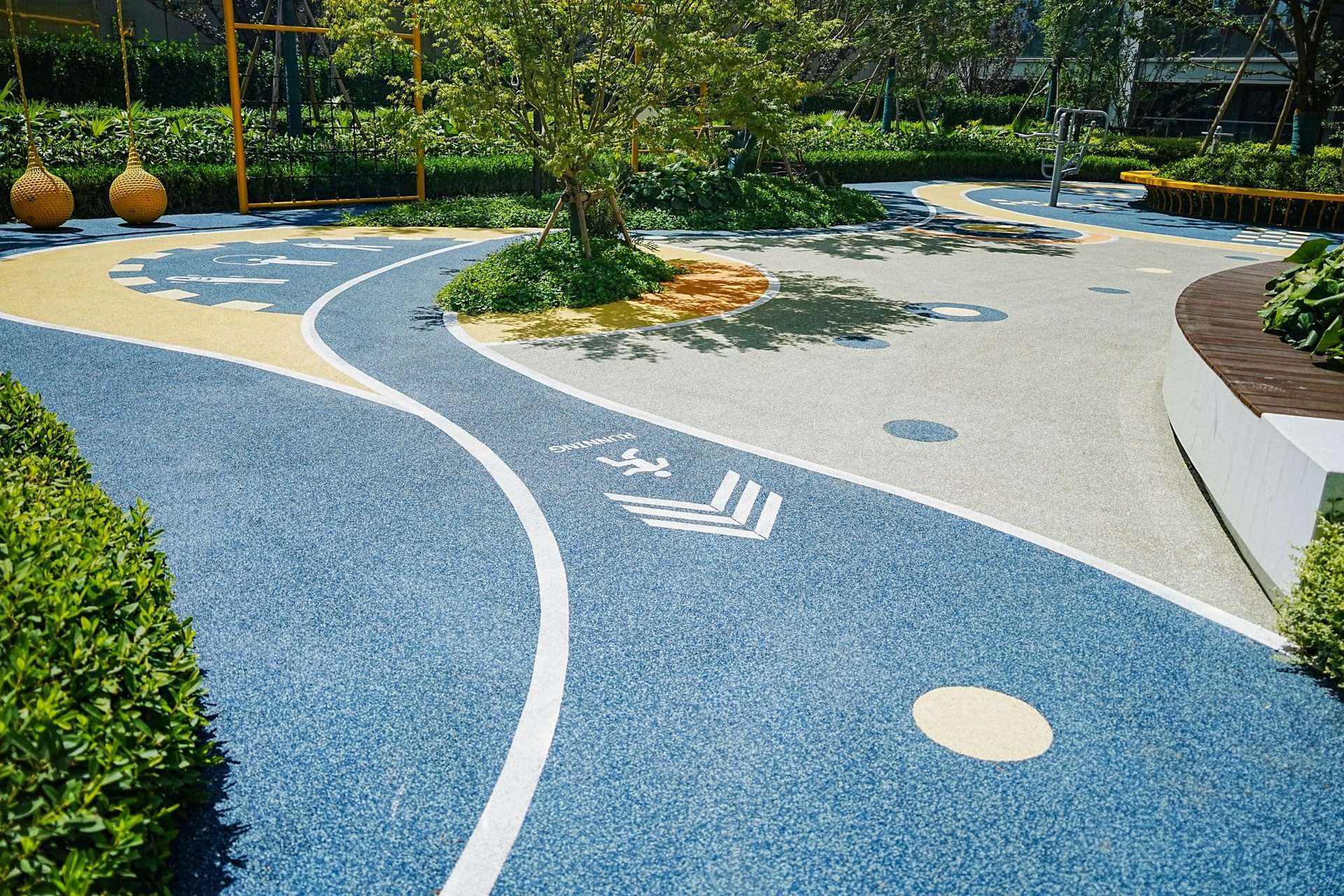
Recreational Trail Surfacing Solutions for Comfortable Outdoor Paths
Plan the right surfacing structure, EPDM Rubber Granules and PU Binder (Polyurethane Binder) around trail use, user comfort, drainage and outdoor conditions.
Find the Right Surfacing Solution for Your Recreational Trail
Start with the people using the path: daily walkers, casual joggers, children, older residents or mixed community traffic. Then review how often the trail will be used, where water can drain, how much sun and rain the surface receives, and what maintenance the owner can support.
One Layer EPDM Surface
Project Goal: Create a comfortable outdoor path for everyday walking, light jogging and community recreation.
Use EPDM Rubber Granules with PU Binder over a prepared and primed base. Final thickness and binder choice should be confirmed against the base, drainage and outdoor conditions.
Discuss Your Trail Structure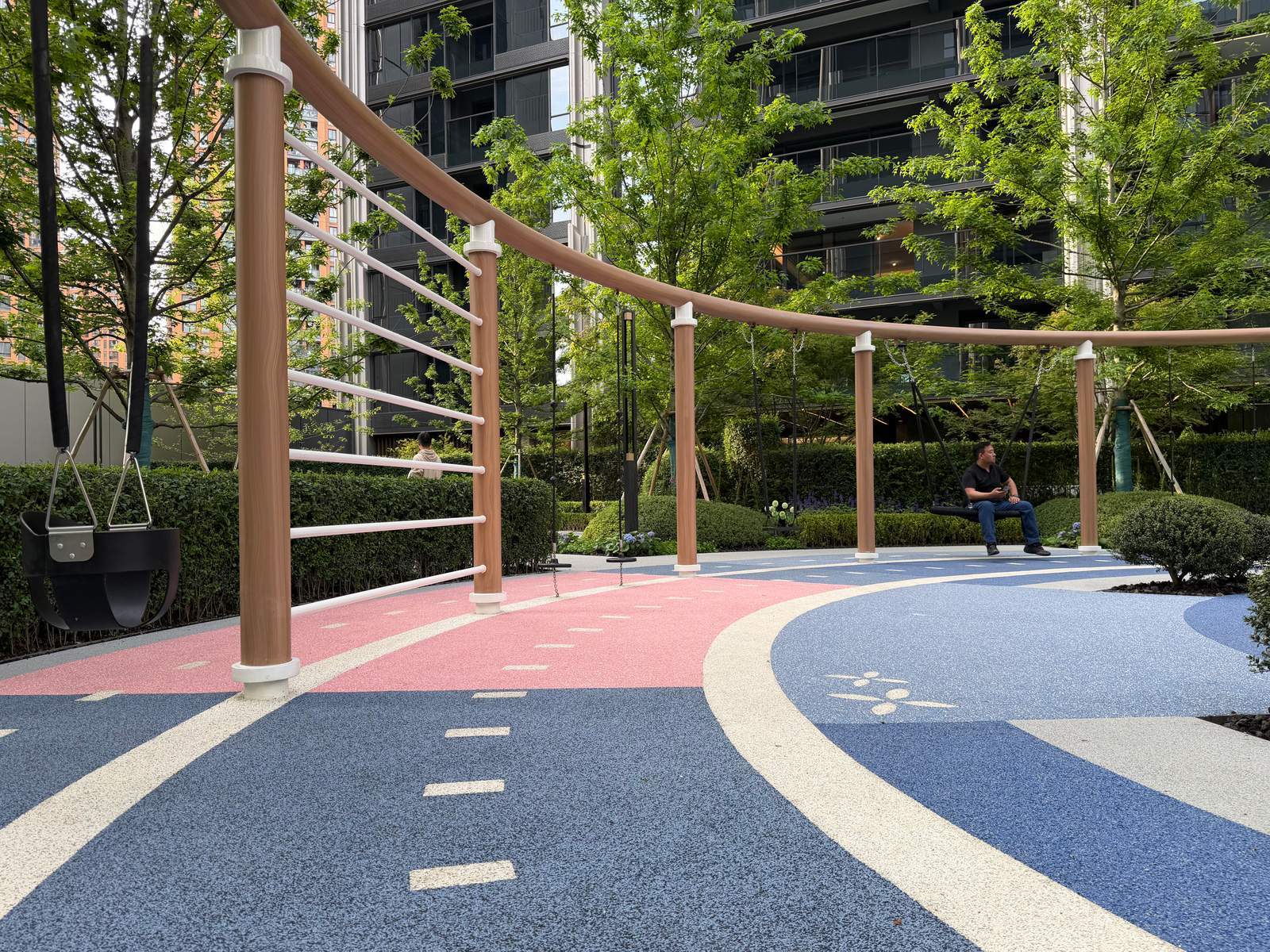
What Should You Consider Before Choosing a Trail Surface?
A path used for short residential walks does not face the same traffic, exposure or maintenance pattern as a longer jogging loop. Document the actual use, drainage route, seasonal weather and available maintenance before confirming the surface structure.
Expected Traffic
User Comfort
Drainage Requirements
Climate & Weather Exposure
Maintenance Resources
Select Surface Structure
Match Materials to Your Trail Surface
Treat the EPDM layer, PU Binder and color formula as one purchasing decision. Confirm the selected thickness, granule color, outdoor exposure, binder compatibility and batch plan together so the materials arrive ready for the installation method.
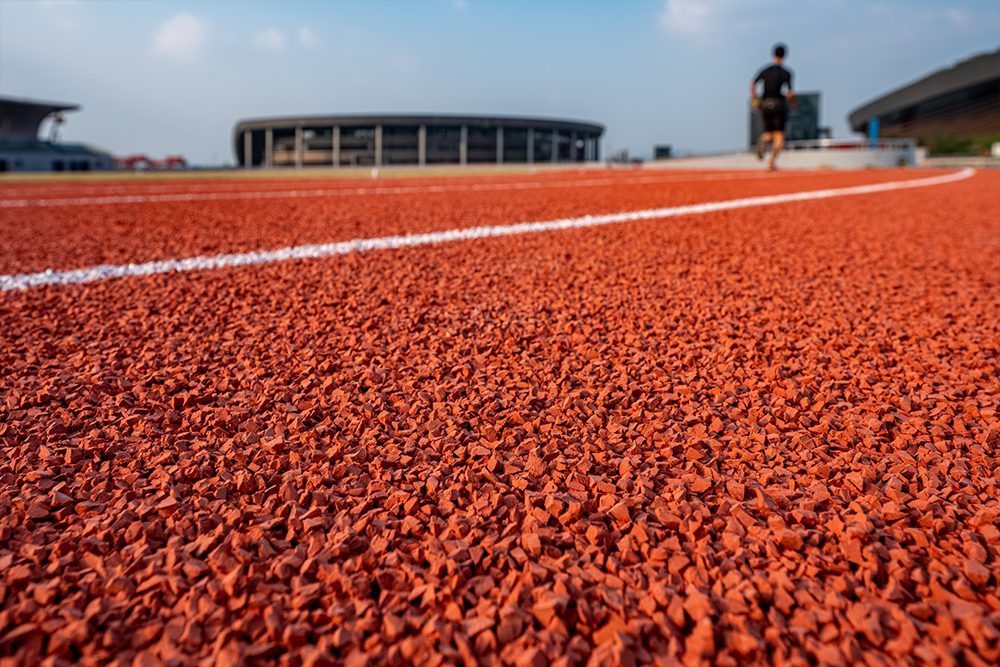
EPDM Rubber Granules
Create comfortable and visually integrated trail surfaces with EPDM Rubber Granules matched to your color and application requirements.
Request Trail EPDM Samples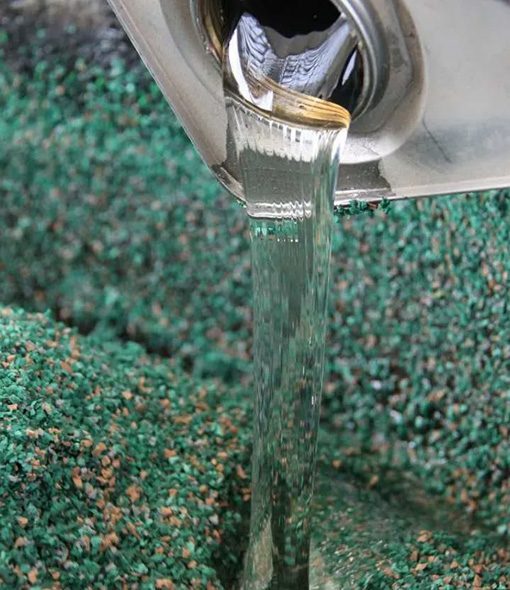
PU Binder
Match PU Binder with the EPDM layer, outdoor exposure, color requirement and installation conditions.
Compare PU Binder Options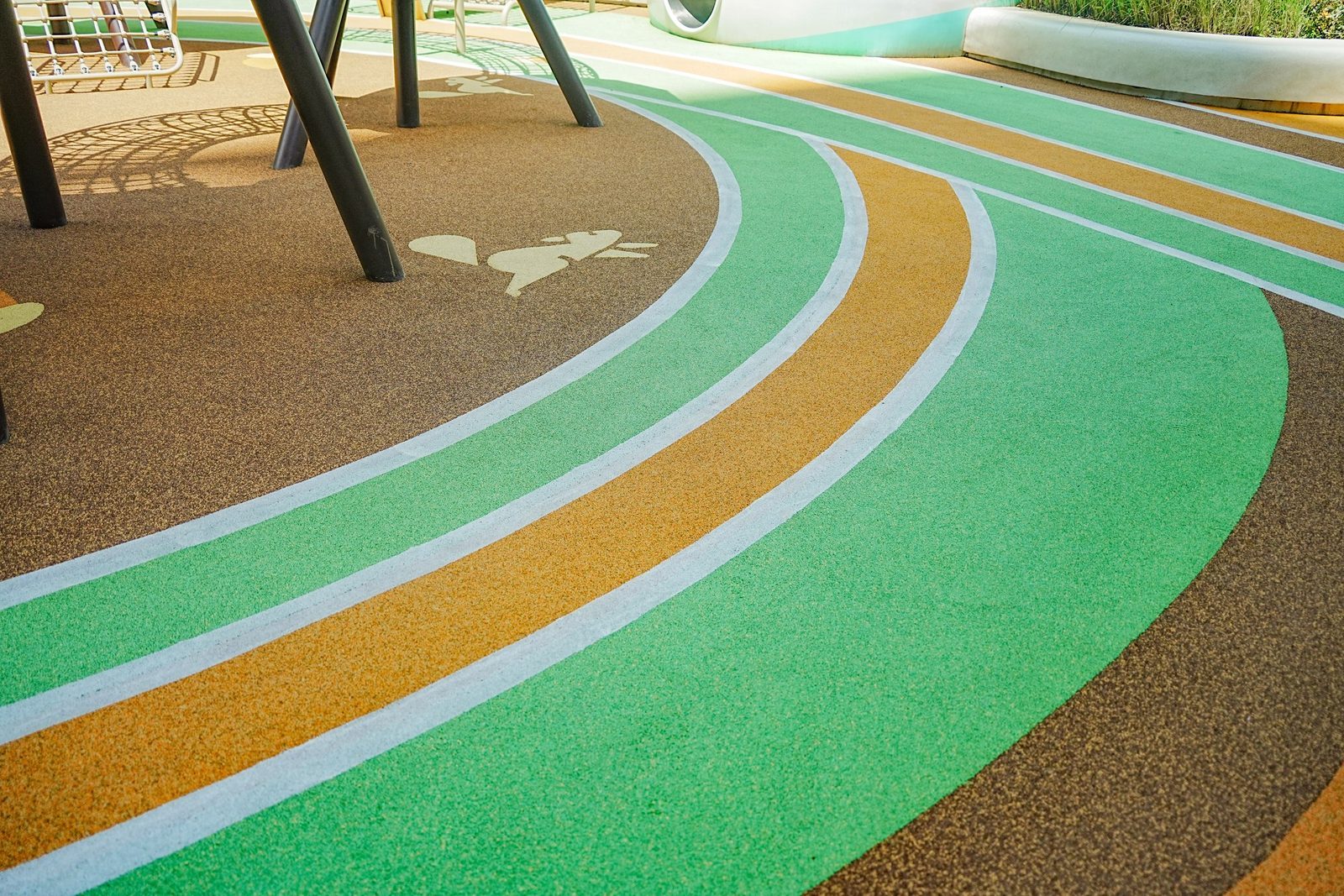
FieldsMaster Color System™
Coordinate trail colors with parks, landscapes and surrounding environments using 114+ standard colors, color mixing and project-specific matching.
Open the Color Mix ToolCreate Trails That Belong to the Landscape
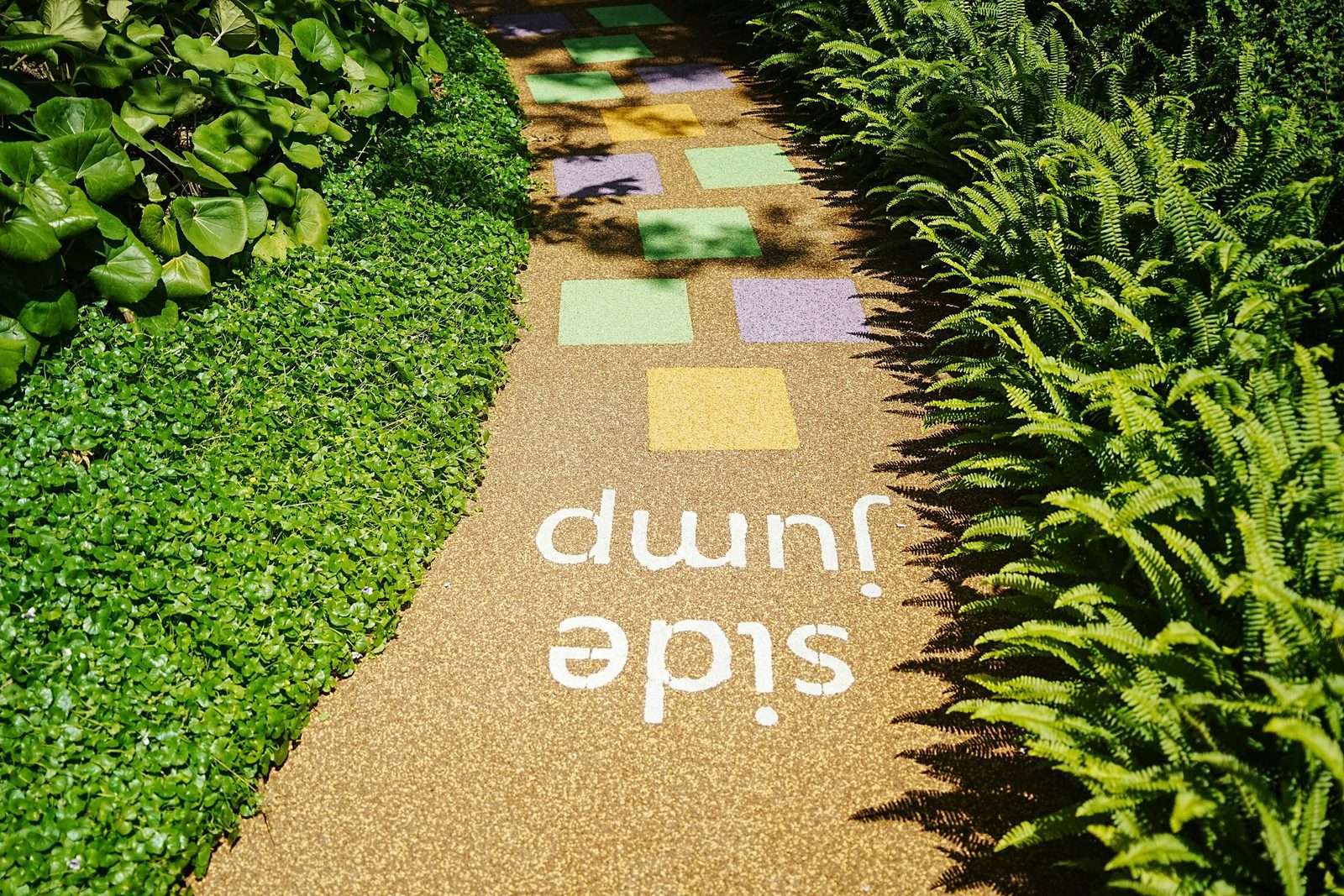
Start from the planting, paving, architecture and wayfinding already on site. Use muted natural blends for quiet landscape paths, clearer contrasting colors for activity routes, and optional 2D graphics where users need direction or activity prompts.
114+
Colors for Parks, Communities and Landscapes
More than a walking surface — create a path that works with the surrounding environment.
Use the Color Studio to compare blends before approval, then connect the chosen ratio with factory premixing and physical samples. Factory premixing can reduce on-site color-measurement steps. Approve a physical sample, record the mix ratio and batch reference, and plan installation zones and joints before production. Optional 2D graphics can support route guidance and path identity.
Get Trail Design Support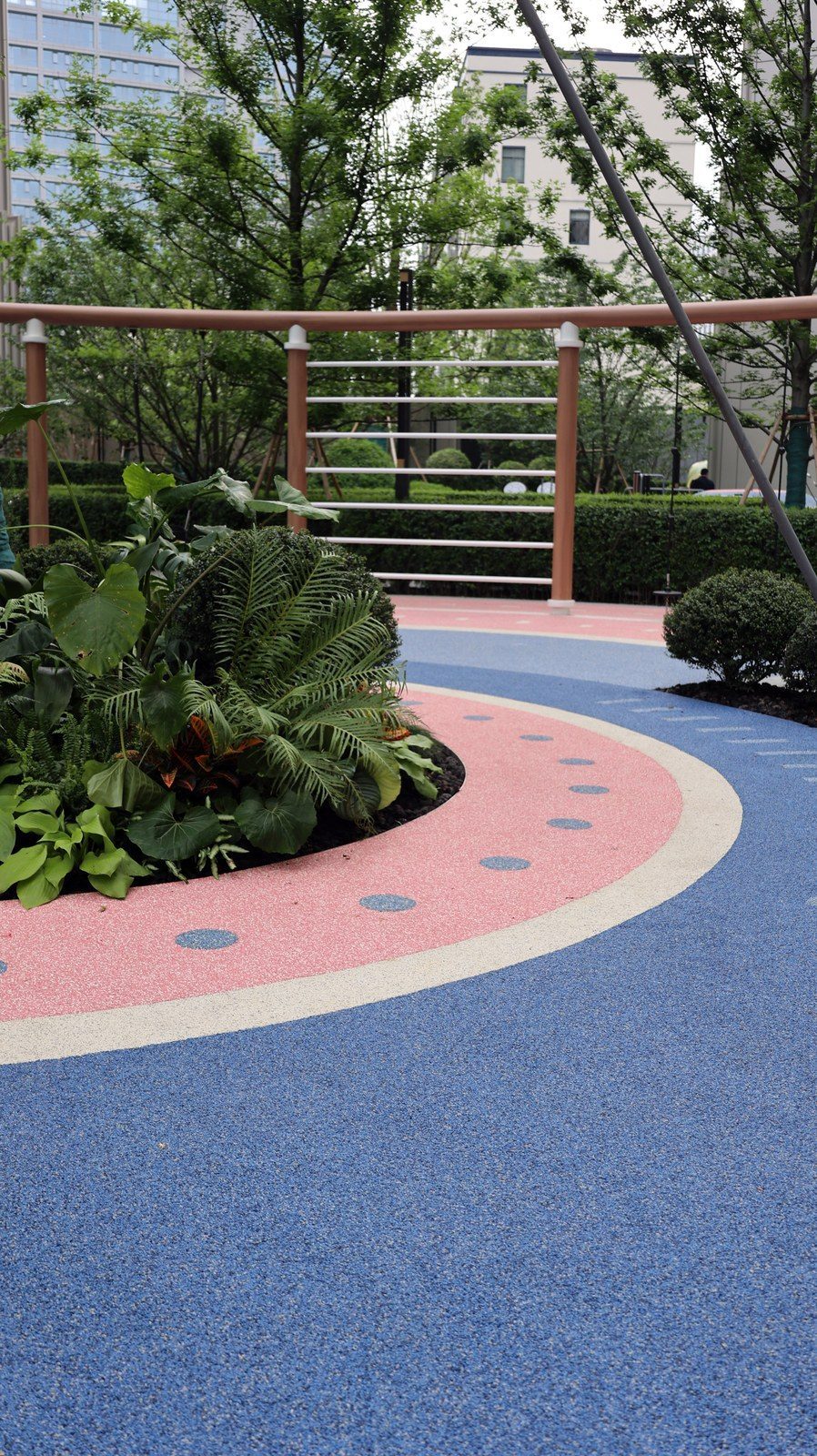
Plan Trail Colors and Material Quantities Before Ordering
Use the Color Studio to compare blends, the Color Card to identify repeatable references, and the calculator to convert area and thickness into an initial material quantity. This gives designers, owners and procurement teams a clearer basis for approval before samples and orders are confirmed.
FieldsMaster Color Studio
Build and compare mixed-color combinations for natural, landscape-oriented or project-specific trail palettes.
Mix Trail ColorsFieldsMaster Color Card
Review 114+ standard colors across FieldsMaster color series before requesting physical samples or custom matching.
View the Color CardEPDM Material Quantity Calculator
Estimate EPDM Rubber Granules and PU Binder quantities from trail area and the thickness selected for review.
Calculate Material Quantities01 · SelectChoose standard colors that fit planting, architecture and wayfinding.
02 · CombineCompare a defined mixed-color ratio in the Color Mix Tool.
03 · ApproveReview a physical sample under project lighting before production.
04 · RecordKeep the approved formula and batch reference for repeat or repair planning.
Avoid Trail Installation Risks
Check the foundation, water management, weather window and material compatibility before trail surfacing begins.
Check the Foundation
Confirm strength, flatness, cleanliness, moisture, slopes and compatibility before primer and EPDM installation.
Plan Water Management
Review surface falls, drainage routes, outlets and surrounding landscape so water does not remain on or undermine the path.
Review Site Conditions
Check temperature, humidity, rainfall, surface moisture and curing conditions before and during installation.
Confirm EPDM + PU Binder Compatibility
Confirm EPDM granule size, PU Binder type, mixing ratio, color requirement and outdoor exposure before work starts.
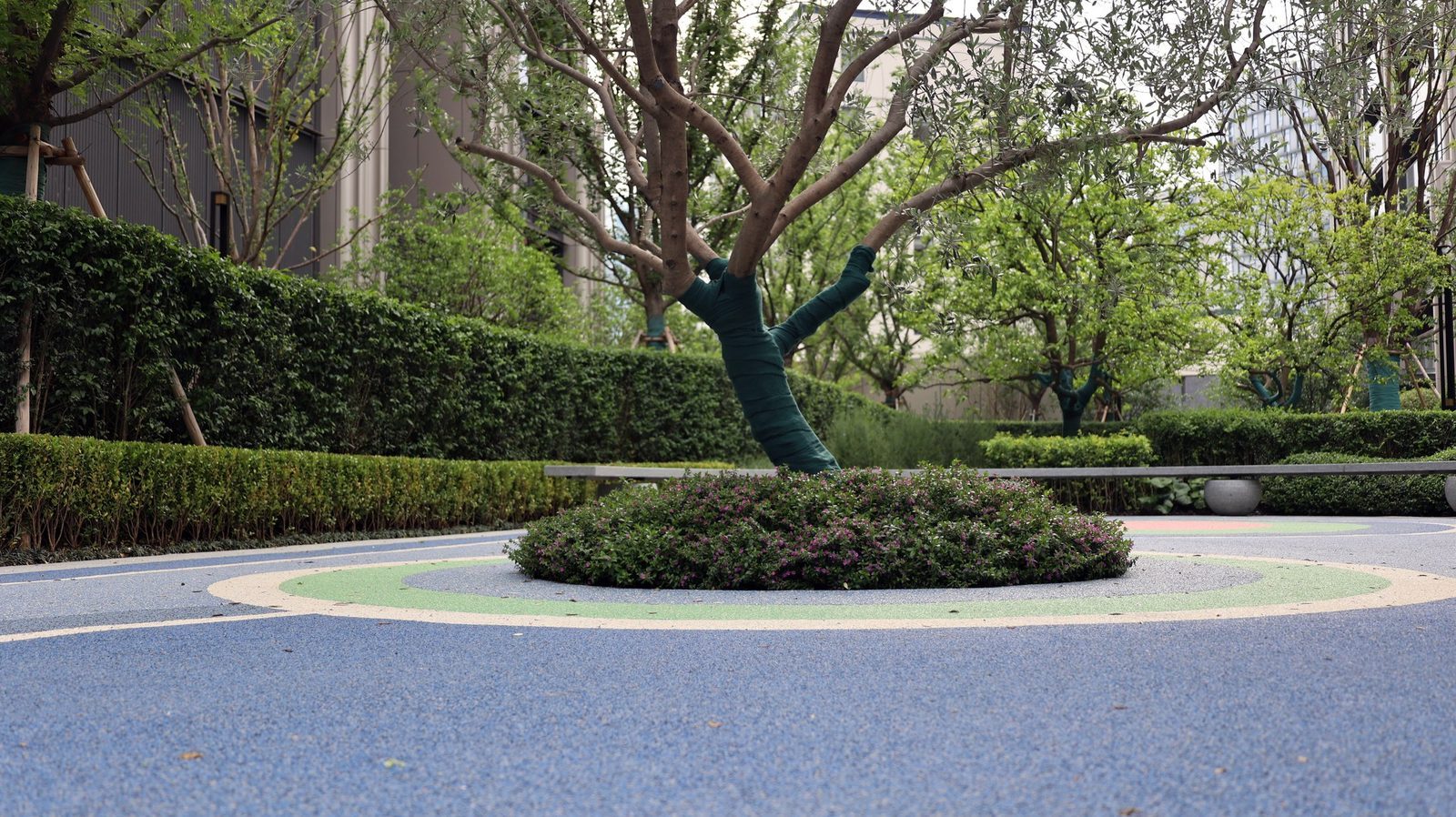 Community path2D wayfindingLandscape colors
Testing & Technical Evidence for Trail Surfacing
Review material-level reports and confirm the product, test method and project scope before specification.
 REACH Material Reference
 EN 71-3 Material Reference
SGS Report Scope Review
Product Technical Data
PU Binder Technical Data
See How EPDM Surfacing Fits Outdoor Paths & Landscapes
Review real project images and the project information currently available for each outdoor application.
Hangzhou Vanke Hesong Yingxiangfu
Hangzhou, China
Application: Residential community recreation path.
Material: Resilient surfacing is visible in the supplied project photography; confirm product and structure details during project review.
Project Need: Integrate a colored path with planting and community recreation space.
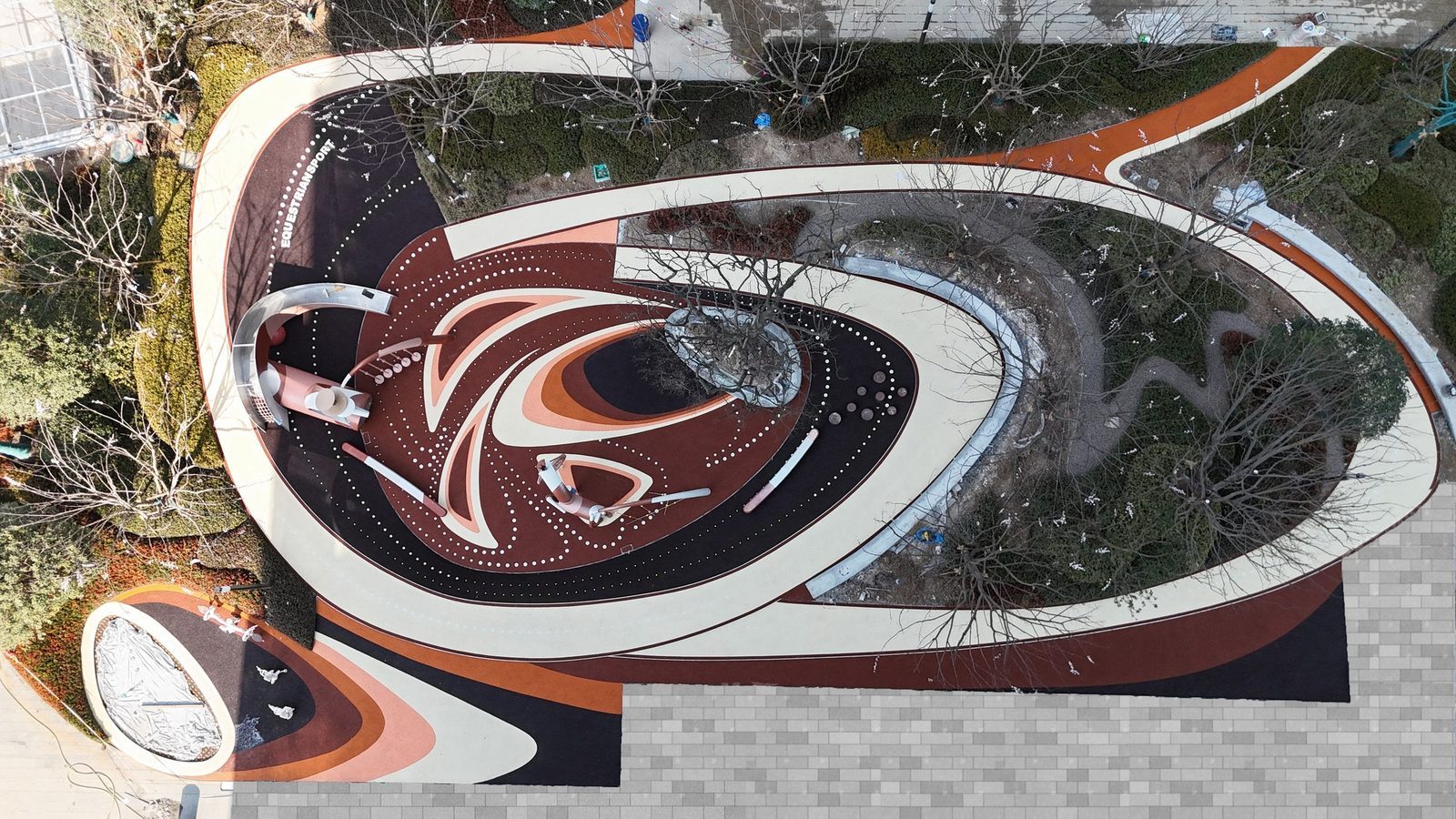
Nanjing Zhonghai Jiangnan Jiuxu
Nanjing, China
Application: Landscape recreation and circulation area.
Material: Colored resilient surfacing visible in supplied project photography; confirm product and structure details during project review.
Project Need: Connect circulation, recreation and landscape design through a coordinated color plan.
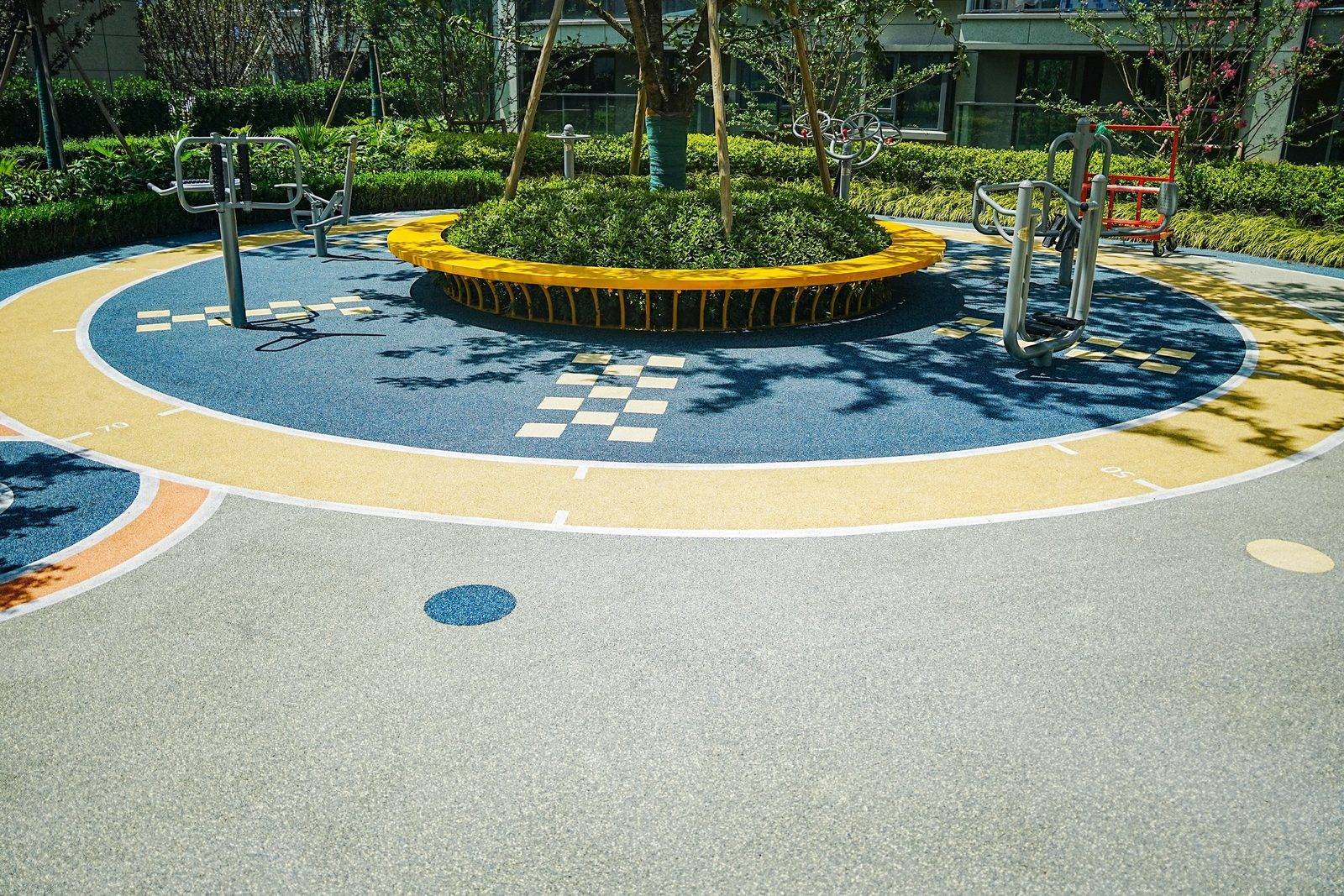
Ningbo Baoli Langyue Xuzhang
Ningbo, China
Application: Community walking, running and outdoor fitness area.
Material: EPDM surface visible in supplied project photography; confirm structure and product models during project review.
Project Need: Combine route guidance, activity zones and landscape-compatible colors.
Designed for Long-Term Project Consistency
Keep color and material consistent from the first order to repairs.
Repeat the Same Color, Every Order
Approved mixed-color ratios kept for repeat and repair orders.
Fit the Trail Into the Landscape
Integrate trail surfaces with parks and the surrounding environment.
Plan the Whole System Together
Granule size, PU Binder, thickness, color and quantity planned as one.
Materials Chosen for the Site
Matched to trail use, base condition, drainage and outdoor exposure.
The FieldsMaster Difference
Cross-application manufacturing and material capability behind every surface we plan.
30 Yearsof manufacturing expertise
4 Automated Factoriesfor scalable production
600,000 Tonsannual production capacity
114+ Colorsstandard EPDM colors
5,000-hr UV Testingbacked color performance
EPDM + PU Binderintegrated material planning
Answers for Better Recreational Trail Decisions
Practical guidance for comparing trail structure, drainage, outdoor exposure, color and material quantities.
What is EPDM surfacing for recreational trails?
It is a resilient surface made by mixing EPDM Rubber Granules with PU Binder and installing the mixture over a prepared and primed base. Final structure should match trail use, base conditions, drainage and project requirements.
Is EPDM suitable for walking and jogging paths?
EPDM surfacing can be evaluated for recreational walking and jogging paths where user comfort, color, drainage planning and outdoor usability are priorities. Final suitability depends on the project and base.
What EPDM structure is suitable for recreational trails?
A One Layer EPDM Surface is a practical option to evaluate. This page recommends at least 10 mm, with 15 mm preferred or approximately 1/2" to 3/4". Confirm final thickness against use, base and project requirements.
How does drainage affect trail surfacing?
Drainage planning affects water movement, base stability and long-term maintenance. Review slopes, outlets, surrounding landscape and the existing base before installation.
How does outdoor weather and UV exposure affect material selection?
Review local climate, UV exposure, rainfall, temperature range and the available test reports for the selected material and PU Binder. A 5,000-hour laboratory UVA report is available for one specific green infill rubber granule sample, but product traceability must be confirmed before applying that result to an EPDM selection.
How do I choose EPDM colors for landscape projects?
Use FieldsMaster Color System™ with 114+ standard colors, the Color Mix Tool and project-specific matching to coordinate the path with planting, architecture and wayfinding. FieldsMaster can also recommend established color mixes for review.
Can 2D graphics be added to a trail?
Yes. Two-dimensional graphics can support path guidance, activity prompts or visual identity. They should be planned as design and wayfinding elements, not as a substitute for the underlying surface structure.
How much EPDM and PU Binder do I need?
Estimate quantities from trail area, selected thickness, product consumption and site allowance, then confirm the result against the project specification before ordering.
How should the trail base be prepared?
Confirm base strength, flatness, cleanliness, moisture, slopes and drainage. The base and primer should be compatible with the selected surfacing system.
Let's Plan a Trail That Feels Good to Walk and Lasts.
Tell us the trail size, how people will use it, what's underneath, the drainage, your area, and the colors you want. We'll help you pick the right surface.