

What Makes EPDM Granules the Top Choice for UV Resistance and Wear Performance?
As experts in surfacing solutions, we often get asked about the best materials for outdoor installations. Today, we want to dive into why EPDM granules consistently stand out. We'll explore the science behind their exceptional UV resistance and impressive wear performance, showing you why they are truly a top choice for lasting, vibrant surfaces.
Key Takeaways
This article delves into the critical attributes that make EPDM (Ethylene Propylene Diene Monomer) granules a superior choice for a variety of surfacing projects. Here’s a summary of the key points you'll discover:
- Unmatched Wear Resistance: The core strength of EPDM lies in its incredible durability. Its synthetic rubber composition is specifically engineered to withstand constant, heavy use. This is crucial for high-traffic areas like playgrounds, running tracks, and commercial spaces. A surface that wears down quickly not only loses its aesthetic appeal but also poses significant safety risks, such as unevenness that can cause trips and falls. We’ll explore how EPDM’s molecular structure contributes to this resilience, ensuring long-term safety and functionality.
- Superior UV Resistance: One of the biggest challenges for any outdoor material is the relentless assault of ultraviolet (UV) radiation from the sun. EPDM is formulated to combat this degradation effectively. Unlike other materials that fade, crack, or become brittle over time, high-quality EPDM retains its vibrant color and physical integrity for years. This is achieved through the use of specialized, UV-resistant pigments and the inherent stability of the EPDM polymer itself. This means your investment remains visually appealing and functional, without the rapid deterioration seen in lesser materials.
- The Science of Quality Manufacturing: Not all EPDM granules are created equal. The quality and longevity of the final surface are directly tied to the manufacturing process. We’ll explain why specifically manufactured, or virgin, EPDM is vastly superior to recycled rubber alternatives. A dedicated manufacturer employs rigorous testing protocols to ensure every batch meets strict standards for purity, chemical composition, and performance. This includes tests for impact absorption (critical for playground safety), material durability, and consistency, ensuring a reliable and predictable product every time.
- Long-Term Value and Low Maintenance: While the initial investment in a high-quality EPDM surface might be higher than some alternatives, its long-term value is unparalleled. The exceptional wear and UV resistance translate to a significantly longer service life, often spanning over a decade with minimal maintenance. This drastically reduces the need for frequent repairs, resurfacing, or complete replacements, leading to a lower total cost of ownership. For project managers and facility owners, this means predictable budgets and peace of mind. To see the long-term aplication results for yourself, you can take a look at our case studies page to see the quality we deliver.
By understanding these core benefits, you can make an informed decision and see why architects, facility managers, and safety experts consistently choose EPDM granules for their most demanding projects.
The Enduring Strength of EPDM: Why Wear Resistance is Key for Every EPDM Granules Manufacturer
When selecting a material for surfacing, particularly in areas subjected to constant use, durability is not just a feature—it's the foundation of safety, performance, and long-term value. For any reputable EPDM granules manufacturer, achieving superior wear resistance is a primary goal. This resilience ensures that playgrounds remain safe for children, running tracks perform consistently for athletes, and public spaces retain their aesthetic appeal for years. EPDM (Ethylene Propylene Diene Monomer) rubber is engineered at a molecular level to withstand abrasion, impact, and the daily grind of high-traffic environments, making it a standout choice in the surfacing industry.
Why Robust EPDM Wear Resistance Matters
The ability of a surface to resist wear and tear is directly linked to its functionality, safety, and economic viability. A surface that degrades quickly becomes a liability, requiring costly repairs and posing potential hazards. This is why focusing on robust EPDM wear resistance is critical for creating spaces that are built to last.
Safety and Functionality: The Core Importance
The fundamental purpose of a surface, whether for play or sport, is to provide a safe and reliable foundation for activity. Wear resistance is paramount because a compromised surface can quickly become hazardous. On a playground, for instance, a worn-down area can lose its critical impact-absorbing properties, increasing the risk of serious injury from falls. Falls are the most common cause of playground injuries, which is why materials must maintain their cushioning effect over time. For athletic tracks and sports courts, a consistent and even surface is essential for optimal performance and injury prevention. Surface irregularities caused by wear, such as scuffs, divots, or hardening, can alter ball bounce, affect running gait, and lead to trips and falls, compromising the very function of the space. In essence, durability is directly tied to safety and usability—a long-lasting, durable surface ensures that a space remains functional and safe for everyone who uses it.
Withstanding Daily Traffic and Extreme Conditions
EPDM's reputation for toughness is well-earned. It is engineered to endure not only the constant friction of foot traffic but also the harsh and varied impacts of weather. In high-traffic areas like school playgrounds, public parks, and commercial entrances, surfaces are subjected to relentless pressure. EPDM is specifically designed to handle this heavy, repeated use with minimal wear and tear. Beyond foot traffic, outdoor surfaces must contend with environmental stressors. These include extreme temperature fluctuations from freezing winters to scorching summers, constant exposure to moisture, and the physical impact of rain and hail. EPDM's stable chemical structure allows it to resist cracking, contracting, or becoming brittle in cold weather and to avoid softening or degrading in intense heat. This resilience against both mechanical wear and environmental attack ensures a long and predictable service life, making it a reliable choice for any outdoor application.
The Inherent Durability of Our EPDM Granules
At the heart of EPDM's superior performance is its unique chemical composition. As a synthetic elastomer, it is designed from the ground up for longevity and resilience. This intentional engineering sets it apart from many other surfacing materials, providing a foundation of durability that is consistent and reliable.
A Synthetic Rubber That Stands the Test of Time
EPDM stands for Ethylene Propylene Diene Monomer, a name that describes its core chemical building blocks. The ethylene and propylene components form a chemically saturated polymer backbone, which is inherently stable and resistant to external forces like heat, ozone, and UV radiation. The "diene" is the third monomer, which is intentionally added in small amounts. It creates a side chain with a reactive site, allowing the polymer chains to be cross-linked (vulcanized) together. This cross-linking process creates a strong, three-dimensional network structure, which is what gives EPDM its exceptional elasticity, tensile strength, and durability. Unlike materials that are merely coated for protection, EPDM’s resistance is built into its very molecular fabric, ensuring it doesn’t easily crack, crumble, or degrade.
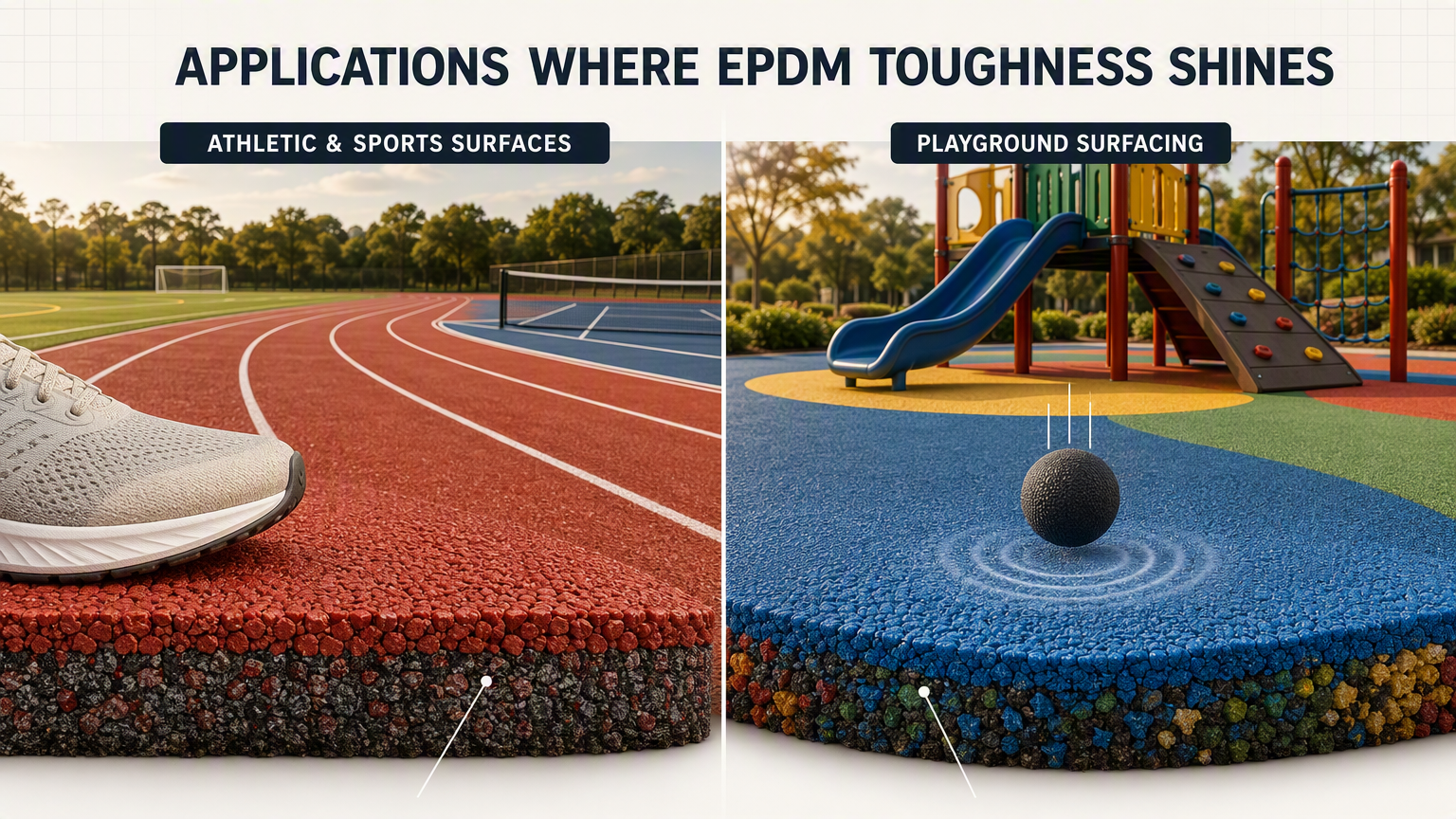
Applications Where EPDM's Toughness Shines
The remarkable durability of EPDM makes it the material of choice for a wide range of demanding applications, which serves as a testament to its toughness.
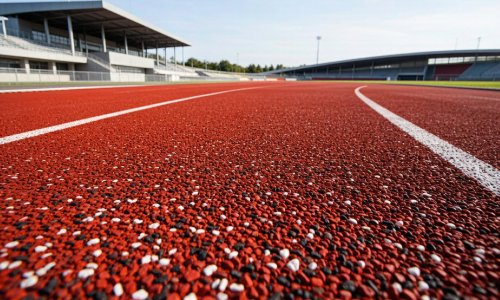
- Athletic and Sports Surfaces: For running tracks, tennis courts, and multi-sport facilities, EPDM provides a surface that is not only safe and shock-absorbent but also incredibly resilient to the constant pounding of athletic activity and the scraping of equipment. Its ability to maintain a consistent, non-slip surface is crucial for athlete performance and safety.
- Playground Surfacing: EPDM is the gold standard for safety surfaces in playgrounds. Its combination of softness, shock absorption, and high wear resistance ensures it can protect children from fall-related injuries while withstanding the endless energy of daily play.
You can see a great variety of applications across a number of industries on our Products to better appreciate its versatility.
Battling the Elements: Our Commitment to Superior EPDM Rubber UV Resistance
One of the greatest adversaries of any outdoor material is the sun. Its ultraviolet (UV) radiation is a relentless force, causing colors to fade, materials to become brittle, and surfaces to lose their structural integrity over time. This is where EPDM's exceptional UV resistance becomes a game-changing advantage. Unlike many other polymers and rubbers that quickly succumb to sun damage, EPDM is specifically formulated to withstand this constant exposure. This commitment to superior UV resistance ensures that EPDM surfaces not only maintain their vibrant, rich colors but also retain their physical properties, guaranteeing both long-lasting beauty and performance.
Protecting Color and Integrity Under Harsh Sunlight
A surface that looks faded and worn after just a few seasons is a poor investment. The ability of EPDM to maintain its color and structural integrity is a direct result of advanced polymer science and a meticulous manufacturing process. This protection is not just a surface-level treatment but is an integral part of the granule itself.
The Role of UV-Resistant Pigments in Our Granules
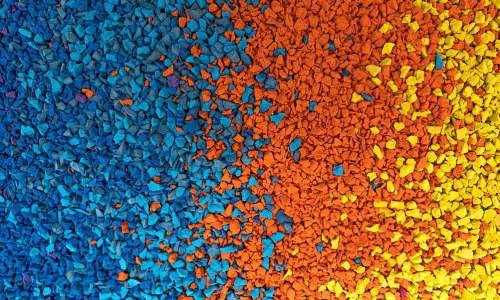
The vibrant, lasting colors of our EPDM granules are no accident. We utilize high-quality, automotive-grade inorganic pigments that are chemically engineered for superior lightfastness and UV resistance. Unlike organic pigments that can fade or change color when exposed to sunlight, these specialized pigments are integrated directly into the rubber matrix during the manufacturing process. This means the color is homogenous throughout each granule, not just a surface coating. This process ensures that even as the surface might experience microscopic wear over many years, the color beneath remains just as vibrant. By selecting specific pigments known for their stability, we ensure our surfaces look as good as new, long after installation.
Thermal Stability: Performing in Extreme Heat
Beyond color fading, intense sunlight brings extreme heat, which can cause other materials to soften, deform, or become sticky. EPDM is renowned for its excellent thermal stability. It can reliably perform at continuous temperatures up to 150°C (302°F) and even higher for short periods without degrading or losing its essential mechanical properties. This is due to the saturated polymer backbone of EPDM, which is highly resistant to thermal oxidation. This stability prevents the granules from softening and fusing together on hot days, ensuring the surface remains porous, safe, and comfortable underfoot, even in the most demanding climates. This high-temperature resistance is a critical factor in the longevity of outdoor installations in sun-drenched regions.
Maintaining Aesthetics for the Long Term
The aesthetic appeal of a project is a significant part of its value. Whether it's a brightly colored playground designed to inspire creativity or a sleek, professional running track, the visual impact matters. EPDM's ability to maintain its appearance over the long term is a key reason it is chosen by architects and designers who demand both form and function.
Comparing EPDM's Fade Resistance to Other Materials
When evaluating outdoor surfacing options, color stability is a critical point of comparison. Here’s how EPDM stacks up against other common materials:
- EPDM vs. SBR (Styrene Butadiene Rubber): SBR, which is often sourced from recycled tires, is a cost-effective alternative. However, its primary drawback is poor UV stability. SBR is highly susceptible to ozone and UV radiation, which causes it to degrade, become brittle, and fade significantly over time. Black SBR will hold its color, but any colored SBR (which is typically a painted coating) will quickly lose its vibrancy. Virgin EPDM, by contrast, has color integrated throughout the granule and is inherently UV resistant, offering far superior color longevity.
- EPDM vs. TPV (Thermoplastic Vulcanizate): TPV is another high-quality synthetic rubber that offers excellent performance. TPV is known for having very good UV stability and color retention, sometimes even outperforming certain EPDM colors. However, EPDM often demonstrates better mechanical properties like elasticity and abrasion resistance, making it more durable in the long run for high-impact areas. While both are premium materials, the choice may depend on balancing color stability with a need for maximum physical toughness.
- EPDM vs. Natural Rubber: Natural rubber has poor resistance to sunlight, ozone, and heat. When used outdoors, it degrades quickly, becoming hard and cracked. EPDM's synthetic, saturated polymer chain is specifically designed to overcome these weaknesses, making it the clear winner for any outdoor application.
| Material | UV Resistance | Color Stability | Primary Advantage | Primary Disadvantage |
|---|---|---|---|---|
| EPDM | Excellent | Very Good to Excellent | Overall durability and resilience | Higher initial cost than SBR |
| TPV | Excellent | Excellent | Superior color stability in some cases | Can be less elastic than EPDM |
| SBR | Poor | Poor (for colors) | Low cost | Fades and degrades quickly |
| Natural Rubber | Very Poor | Very Poor | High tear resistance (initially) | Degrades rapidly outdoors |
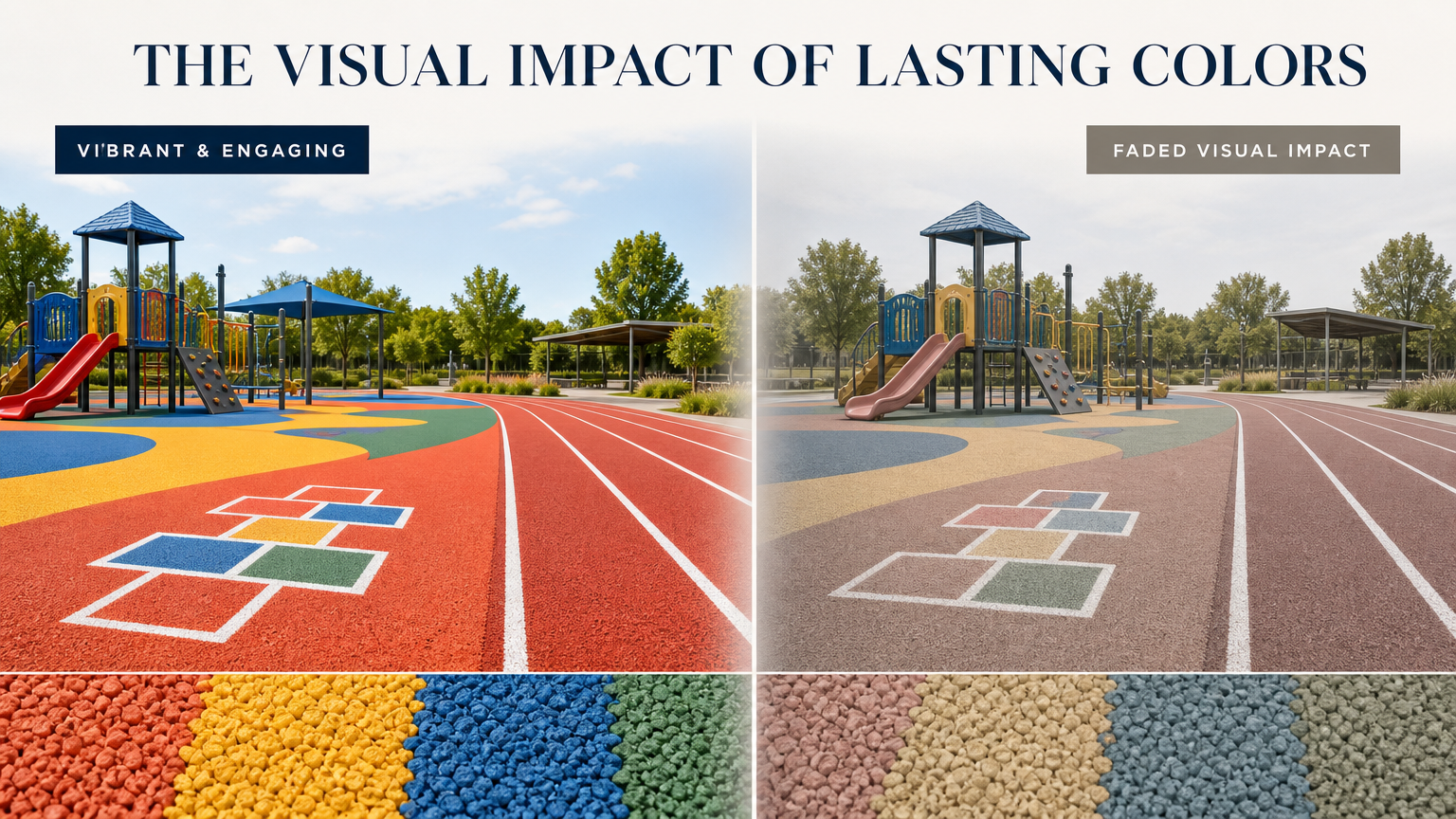
The Visual Impact of Lasting Colors
Color has a profound psychological impact on how we perceive and interact with a space. A brightly colored playground can feel more energetic, inviting, and fun, encouraging active play. A running track with clear, crisp lines and bold colors can create a more professional and motivating environment for athletes. When these colors fade, the space can start to look neglected and uninviting, diminishing its value and appeal. By using materials like EPDM that retain their intended colors, designers can ensure their vision endures, creating spaces that remain vibrant and engaging for their entire lifespan. The long-term visual quality of a surface is not just an aesthetic bonus; it contributes directly to the user experience and the perceived quality of the entire facility.
The Science of Longevity: How a Dedicated EPDM Granules Manufacturer Ensures Quality
The impressive lifespan of an EPDM surface is not a matter of chance; it is the direct result of a meticulous, science-driven approach to manufacturing and quality control. A dedicated EPDM granules manufacturer understands that longevity is built on a foundation of rigorous testing, precise material composition, and an unwavering commitment to meeting and exceeding industry standards. This focus on quality assurance ensures that every granule contributes to a final surface that is safe, durable, and capable of withstanding years of demanding use. By investing in a scientifically-backed process, we provide not just a product, but a promise of long-term performance and value.
Our Rigorous Testing Methods for EPDM Wear Resistance
To guarantee that our EPDM granules deliver on their promise of durability, we subject them to a battery of internationally recognized tests. These procedures simulate real-world conditions of stress, impact, and abrasion, allowing us to verify the material's performance before it ever reaches a project site.
Impact Absorption and Safety Standards (e.g., EN 1177)
For playground surfaces, safety is non-negotiable. The most important performance metric is impact absorption, which is standardized globally by regulations like EN 1177 in Europe and ASTM F1292 in the USA. These standards measure a surface's ability to reduce the risk of a life-threatening head injury from a fall. The test involves dropping an instrumented "head-form" onto the surface from various heights to determine the Critical Fall Height (CFH). A surface is certified for a specific CFH if it keeps the impact forces—measured by G-max and the Head Injury Criterion (HIC)—below a critical threshold (G-max < 200 and HIC < 1000). Through rigorous laboratory testing, we ensure our EPDM surfacing systems meet and exceed these stringent requirements, providing certified protection for the specified equipment fall heights. This guarantees that the surface provides the necessary cushioning to keep children safe.
Material Composition and Durability Assessments
Beyond impact absorption, we conduct a variety of tests to assess long-term durability. These include:
- Tensile Strength and Elongation: Measured using a tensiometer, this test pulls a standardized sample of rubber until it breaks. It tells us how much force the material can withstand before tearing, which is crucial for resisting damage from sharp objects or intense physical stress. Our EPDM granules are engineered for high tensile strength, ensuring they maintain their integrity over time.
- Hardness (Durometer): Using a durometer, we measure the hardness of the granules on the Shore A scale. This is a balancing act: the granule must be soft enough to contribute to shock absorption but hard enough to resist abrasion and wear in high-traffic areas.
- Abrasion Resistance: This test simulates the friction and scuffing from foot traffic and equipment. By measuring material loss after a set number of cycles, we can predict how well the surface will hold up over years of use.
- Compositional Analysis: We verify the polymer content of our granules, specifically the ratio of ethylene and propylene. This ratio is critical, as it determines properties like flexibility at low temperatures and stability at high temperatures. We ensure a high EPDM polymer content for maximum resilience.
Understanding EPDM's Impressive Service Life
The combination of inherent material properties and rigorous quality control gives EPDM surfacing an impressive service life. When properly installed and maintained, an EPDM surface is a long-term investment that provides consistent performance and value for many years.
Expected Lifespans and Factors Influencing Durability
With proper installation and reasonable maintenance, a high-quality EPDM granule surface can be expected to have a service life of 10 to 20 years, with some EPDM roofing applications lasting upwards of 30 to 50 years. However, this lifespan is influenced by several key factors:
- Quality of Installation: A flawless installation is the first step to a long-lasting surface. This includes proper sub-base preparation, correct mixing ratios of granules and binder, and professional troweling to ensure a seamless, well-compacted finish.
- Material Quality: The use of high-quality, virgin EPDM granules with a high polymer content is crucial. Cheaper alternatives or recycled materials may have impurities that compromise long-term performance.
- Intensity of Use: A private residential playground will naturally experience less wear than a busy public school playground. The expected level of foot traffic should be considered when specifying the thickness and composition of the surfacing system.
- Environmental Conditions: While EPDM is highly resistant to weather, extreme conditions like constant, intense UV exposure or prolonged periods of freezing and thawing can still be contributing factors over a multi-decade lifespan.
- Maintenance: Regular cleaning and prompt attention to any minor damage will significantly extend the life of the surface.
Long-Term Value and Reduced Maintenance
While premium EPDM surfacing may have a higher initial installation cost compared to materials like wood chips or loose-fill gravel, its long-term value is significantly greater. This is calculated through the Total Cost of Ownership (TCO), which factors in not just the upfront price but also lifetime maintenance and replacement costs.
EPDM surfaces require minimal ongoing maintenance. Regular cleaning typically involves sweeping or using a leaf blower to remove debris and occasional rinsing with low-pressure water and a mild detergent to remove dirt. Unlike loose-fill materials that need constant raking and topping-off to maintain safe depths, a poured-in-place EPDM surface remains stable and compliant. The superior durability means fewer repairs are needed, and its long service life means replacement is infrequent. This translates to substantial savings in labor, materials, and operational budgets over the life of the facility, making EPDM a financially sound investment for any project.
Beyond the Surface: The Comprehensive Quality Assurance of an EPDM Granules Manufacturer
The vibrant and resilient surface you see is only the final expression of a deep and complex manufacturing process. For a top-tier EPDM granules manufacturer, quality assurance extends far beyond the finished product. It is a philosophy embedded in every stage of production, from the selection of raw materials to the final batch verification. This comprehensive approach ensures that every granule is pure, consistent, and precisely engineered to deliver the wear resistance and UV stability that customers expect. Trust in an EPDM surface is built not just on its performance, but on the transparent and rigorous quality promise of the manufacturer behind it.
Ensuring Consistency and Purity in Every Batch
Inconsistency is the enemy of quality. A reliable surface can only be built from a reliable and predictable material. That is why we place an enormous emphasis on ensuring that every single batch of EPDM granules meets the same exacting standards for chemical composition, physical properties, and color.
Why 'Specially Manufactured' EPDM is Superior to Recycled Alternatives
When choosing a rubber surfacing material, a critical distinction exists between virgin EPDM and recycled rubber (often SBR from tires). While recycled rubber is often promoted as a budget-friendly and eco-conscious choice, it comes with significant drawbacks that affect safety, longevity, and aesthetics. Virgin EPDM, by contrast, is a thermoset rubber manufactured specifically for its intended application.
- Purity and Safety: Virgin EPDM is produced from new, high-quality polymers in a controlled environment. This guarantees it is free from the unknown contaminants, heavy metals, and chemical residues often found in recycled tires. For applications like playgrounds, where children have direct contact with the surface, this purity provides invaluable peace of mind.
- Performance Consistency: Recycled rubber is a mixture of various tire materials, leading to inconsistencies in performance. Virgin EPDM is engineered with a precise chemical formula, ensuring every batch has the same elasticity, durability, and UV resistance.
- Color and Durability: The color in virgin EPDM granules is integrated throughout the material during production, resulting in vibrant, lasting colors that resist fading. Recycled rubber is often black and simply painted, a coating that quickly wears away, exposing the black rubber underneath. Furthermore, virgin EPDM is designed to last 8-10 years or more, whereas recycled rubber surfaces may begin to degrade in as little as 2-5 years.
While the initial cost is higher, the superior safety, performance, and longevity of virgin EPDM make it a more valuable investment in the long run.
Adhering to Strict Manufacturing Protocols
Delivering a consistent, high-quality product requires an unwavering adherence to strict manufacturing protocols. The process begins with sourcing premium raw materials, such as EPDM polymer from world-class suppliers.
- Formulation and Mixing: The raw EPDM is combined with specific ingredients—including high-purity oils, pigments, and activators—in a precise formula. This mixing is often done using automated dosing systems to eliminate human error and ensure batch-to-batch consistency.
- Extrusion and Vulcanization: The mixed compound is then extruded and vulcanized (cured) under carefully controlled temperature and pressure. This crucial step cross-links the polymer chains, transforming the soft compound into a durable, elastic rubber.
- Granulation and Sieving: The cured rubber is granulated into specific size ranges (e.g., 1-4mm). A sieving process then separates the granules to ensure a uniform particle size distribution, which is critical for a smooth installation and proper drainage.
- Quality Control Checks: At every stage—from raw material input to the final packaged granule—samples are taken for laboratory analysis. We test for polymer content, color consistency, hardness, tensile strength, and other key metrics to confirm the batch meets our stringent specifications. This rigorous, documented process guarantees traceability and reliability for every bag of granules we ship.
Our Promise of Performance and Safety
Beyond the science and manufacturing, our commitment to quality is ultimately a promise to our customers. This promise is backed by clear guarantees and a long-standing reputation for reliability. We understand that our clients are building spaces for communities, athletes, and children, and we take that responsibility seriously.
Guarantees in EPDM Wear Resistance and UV Stability
We stand behind the performance of our EPDM granules. This confidence comes from our rigorous testing and adherence to stringent quality control. That's why we can offer robust warranties on the physical properties of our products. A reputable manufacturer will provide a material warranty that guarantees the product against defects for a specified period, often spanning several years. For surfacing, this means a guarantee that the EPDM will maintain its structural integrity, wear resistance, and—crucially for aesthetic projects—its color stability under normal use and environmental conditions. Some manufacturers even offer extended warranties of up to 25, 30, or even 40 years for certain roofing membrane products, which speaks volumes about the material's proven longevity. While warranties often cover material defects, it's a clear signal from the manufacturer about their confidence in the product's long-term performance.
The Trust Built by a Reliable EPDM Granules Manufacturer
In the construction and materials industry, trust is earned, not given. A manufacturer's reputation is built over years of delivering on promises, providing consistent quality, and offering transparent support. Choosing a material is not just a one-time purchase; it's the beginning of a long-term partnership. A reliable manufacturer will be there to:
- Provide Technical Expertise: Offer guidance on the best product specifications for your project's unique needs.
- Ensure Consistent Quality: Deliver a product you can count on, project after project, eliminating the risks and costs associated with inferior materials.
- Offer Robust Support: Stand behind their product with clear warranties and responsive customer service.
Ultimately, partnering with a trusted E-E-A-T (Experience, Expertise, Authoritativeness, and Trustworthiness) compliant EPDM granules manufacturer provides peace of mind. It ensures that the safety, beauty, and durability of your project are built on a foundation of proven quality, backed by a company that is committed to your success.
Frequently Asked Questions (FAQ)
To help you better understand the unique advantages of EPDM granules, we've compiled answers to some of the most common questions we receive.
1. How long does an EPDM rubber surface actually last?
The lifespan of an EPDM surface can vary depending on several factors, but with high-quality materials and proper installation, it is a remarkably long-lasting solution. For most applications like playgrounds and sports courts, a service life of 10 to 20 years is a realistic expectation. Some studies on EPDM roofing membranes, which face even more direct and harsh environmental exposure, have demonstrated a potential service life of over 50 years. Key factors that influence its longevity include the quality of the raw materials (virgin EPDM lasts significantly longer than recycled rubber), the thickness of the installed surface, the quality of the installation itself, the intensity of foot traffic, and the local climate.
2. How does EPDM's wear resistance compare to other common surfacing materials?
EPDM's wear resistance is one of its standout features, making it superior to many alternatives, especially in high-traffic areas.
- vs. SBR (Recycled Rubber): EPDM is significantly more durable. SBR, often derived from old tires, can contain impurities and has a weaker chemical structure that breaks down more quickly under UV exposure and physical stress.
- vs. TPV (Thermoplastic Vulcanizate): TPV is also a high-performance material, but EPDM often exhibits better elasticity and resistance to abrasion. While TPV may offer slightly better color stability for certain bright colors, EPDM's overall mechanical toughness is generally considered superior for demanding physical applications.
- vs. Wood Chips/Mulch: There is no comparison in terms of durability. Loose-fill materials like wood chips break down, decompose, and get displaced, requiring constant replenishment to maintain a safe and functional surface. EPDM is a stable, monolithic surface that does not have these issues.
3. What kind of maintenance is required for an EPDM surface?
EPDM flooring is valued for its low maintenance requirements. However, "low maintenance" does not mean "no maintenance." To ensure the surface remains safe and attractive for its full lifespan, some simple, regular care is recommended:
- Regular Cleaning: Debris like leaves, sand, and dirt should be removed regularly using a leaf blower or a soft broom. This prevents organic matter from breaking down on the surface, which can encourage moss or algae growth.
- Washing: For more thorough cleaning, the surface can be rinsed with a low-pressure water hose. For stains or accumulated grime, a pH-neutral cleaner and a soft-bristled brush can be used.
- Avoid Harsh Chemicals and Tools: It is crucial to avoid solvents, oil-based cleaners, and anthing containing bleach or alcohol. High-pressure power washers should also be avoided, as the intense jet can dislodge granules and damage the binder.
- Inspections: Periodically inspect the surface for any minor damage, such as cuts or separating seams, and address them promptly to prevent them from becoming larger issues.
4. Is EPDM rubber environmentally friendly?
EPDM offers several positive environmental attributes. White or light-colored EPDM surfaces are highly reflective and can contribute to reducing the urban heat island effect, lowering cooling costs for buildings. The manufacturing process for EPDM is also relatively efficient. While EPDM itself is a thermoset rubber, which makes it difficult to recycle back into its original form, the industry is increasingly finding ways to repurpose old EPDM material, for instance as an additive in asphalt. Furthermore, the exceptional longevity of EPDM means that surfaces need to be replaced far less frequently than other materials, significantly reducing the consumption of resources and generation of waste over the life of a project. When considering the a material's full lifecycle, EPDM's durability makes it a sustainable choice.
5. How critical is the quality of the binder and installation for the performance of EPDM granules?
The quality of the polyurethane (PU) binder and the skill of the installation team are just as important as the quality of the EPDM granules themselves.
- Binder Quality: The binder is the glue that holds the granules together. A high-quality, UV-stable polyurethane binder will prevent the surface from yellowing over time (especially important for light colors) and ensure a strong, permanent bond between the granules. An inferior binder will degrade, causing granules to come loose and the surface to fail prematurely.
- Installation Expertise: A professional installation ensures the sub-base is properly prepared, the binder-to-granule ratio is correct, and the material is troweled to a consistent thickness and smooth finish. Improper installation can lead to weak spots, poor drainage, and an uneven surface that compromises both safety and durability. A great product installed poorly will still result in a failed surface.
For more information, feel free to browse our wide variety of Products to see what we have to offer. Or, you could take a look through our many successful applicaiton stories which are showcased on our case page.
Conclusion
In summary, the superior EPDM rubber UV resistance and remarkable EPDM wear resistance are not just features; they are foundational to creating safe, beautiful, and long-lasting surfaces. From its scientifically engineered molecular structure that fights degradation to the stringent quality controls that ensure purity and consistency, every aspect of EPDM is designed for longevity. Its ability to withstand relentless foot traffic, extreme weather, and harsh sunlight means it retains its integrity and vibrant color for years, delivering a return on investment that few other materials can match.
As a leading EPDM granules manufacturer, we stand by the quality and performance of our products, confident that they deliver unmatched value and peace of mind for every project. We believe in building surfaces that endure and spaces that inspire. We encourage you to share this article with colleagues and partners and join the conversation about creating better, more resilient environments with high-performance materials.