





A Poster in the Meeting Room: How FieldsMaster Turns Color Sense into Custom EPDM Granules
A distributor serving children's play areas visited FieldsMaster with a practical need: different playground projects called for a broad and flexible color range. Before the product discussion began, the visitor paused in the meeting room in front of a set of Twenty-Four Solar Terms posters.
The posters, built around seasonal changes in light, climate and living things, connected naturally with the reason for the visit. Both playground design and the Solar Terms rely on noticing how color changes the feeling of a space.
Contents
- 1. How Design Inspiration Becomes Custom EPDM Colors
- 2. Why Morandi Colors Require Careful EPDM Color Matching
- 3. How to Coordinate Multiple Custom EPDM Colors
- 4. How Custom EPDM Colors Support Landscape Projects
- 5. Aesthetic Sense Is the Beginning of a Project Capability
- 6. From Details to Capability: A FieldsMaster Story Series
- 7. Notes on Color Approval and Repeat Orders
- 8. FAQ
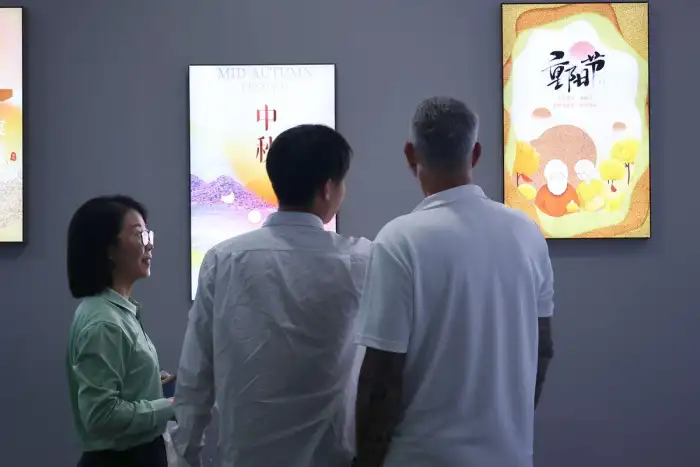
The visitor said that the composition and colors reflected FieldsMaster's passion for the industry and sensitivity to design.
FieldsMaster was honored by that recognition. It also opened a question worth answering: after a customer notices FieldsMaster's aesthetic sense, what makes that customer think of FieldsMaster when a real project needs to move forward?
The answer is not a poster. It is the capability behind the same attention to detail: reading a design intention, translating it into custom EPDM granules, confirming the color in physical material, and helping the project carry that decision into production and delivery.
Custom EPDM granules are bought as a color and material package rather than as a catalogue pick. The purchase covers the chosen color reference, the granule series matched to the application, the physical sample the batch is approved against, and the quantity, packaging and delivery the project ships with.
Quick answer: FieldsMaster turns a standard color, RAL or Pantone reference, physical sample or design mood into a custom EPDM color route that can be reviewed in real material before bulk production.
1. How Design Inspiration Becomes Custom EPDM Colors
The Twenty-Four Solar Terms are based on observation: changes in light, climate, plants and atmosphere. Landscape color decisions require a similar sensitivity, because EPDM surfaces sit beside planting, façades, furniture and circulation routes rather than on an isolated screen.
FieldsMaster therefore gives customers several practical ways to express a color requirement:
- choose from the FieldsMaster Color Card, which includes 114+ standard colors;
- provide a RAL or Pantone reference;
- send a physical color sample for matching;
- share a rendering, material board or site photograph;
- or describe the intended feeling, such as quiet, warm, natural or playful, so FieldsMaster can help develop a direction.
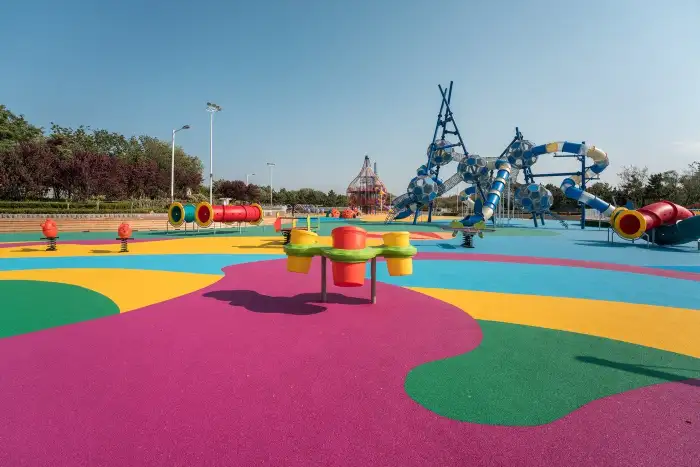
For mixed-color concepts, the FieldsMaster Color Mix Tool allows customers to combine two or more colors in selected proportions and preview the combination as a digital color simulation.
It helps narrow the visual direction but does not generate the actual production formulation. FieldsMaster then prepares a physical EPDM sample based on the selected direction and sends it to the customer for review. The production reference is established, and bulk production begins, after the physical sample is approved.
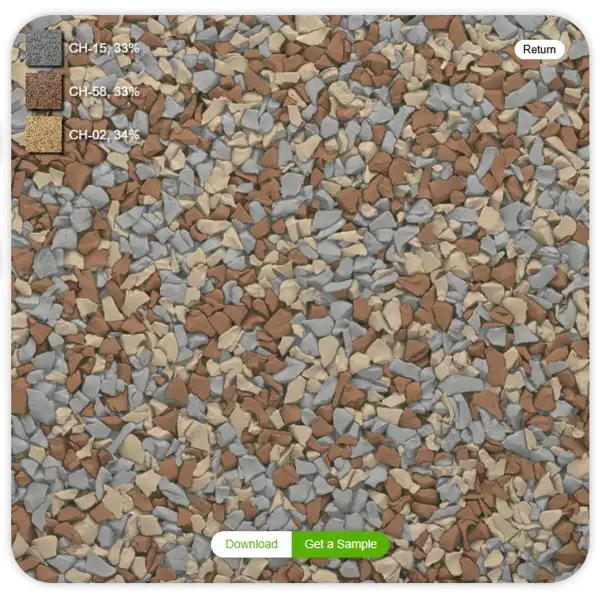
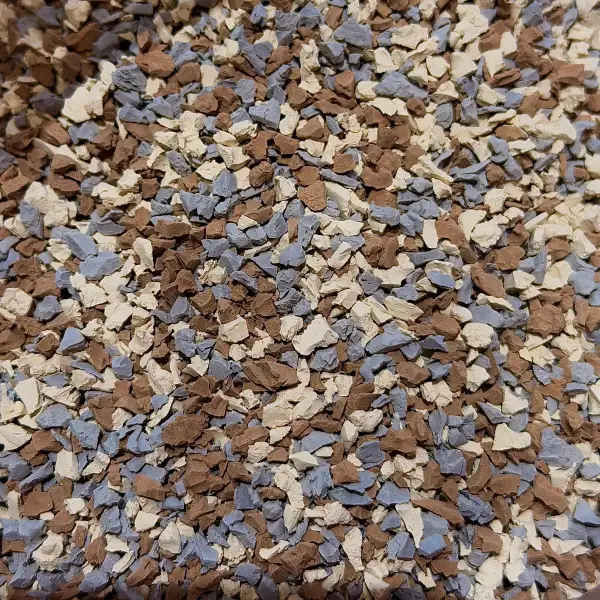
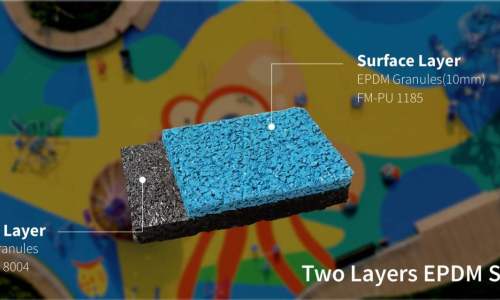
The two images above show the same color decision in both states: a digital preview used to agree a direction, and the physical granule sample that the project approves and the factory then matches. Digital selection and physical confirmation are two different steps, and only the second one becomes the production reference.
2. Why Morandi Colors Require Careful EPDM Color Matching
Morandi colors appear calm because their saturation is restrained. Dusty blue, muted green, warm grey and softened pink do not compete loudly with architecture. They create room for the whole landscape to breathe.
That quietness is also what makes the palette demanding. In a highly saturated color, a small shift may be less noticeable within the overall visual strength. In a low-saturation palette, a slight change in undertone or grey balance can alter the relationship between neighboring colors. A blue-grey may lean cooler than expected. A beige-grey may become too yellow beside stone or timber. Several individually attractive colors may still fail to feel coherent when placed together.
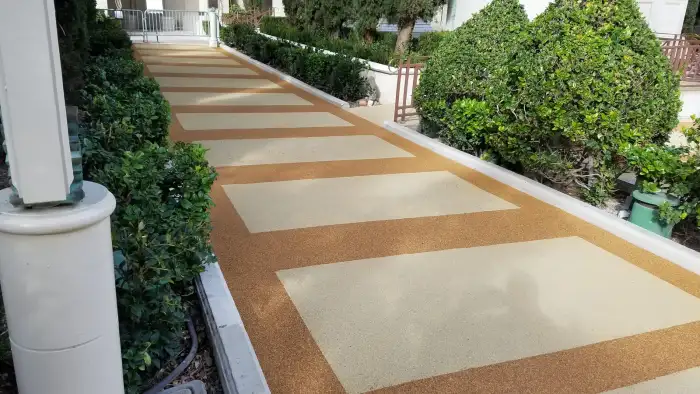
FieldsMaster's Morandi collection was its first themed color palette. It gave project teams a clearer way to discuss how surrounding materials, outdoor light and the intended atmosphere affect a low-saturation color.
FieldsMaster can help narrow that direction and translate it into a material reference for review. The wider discussion of muted and earthy surface trends is covered in the 2026 sports surface color trends.
2.1 A Color Decision May Return Years Later
In project communication, FieldsMaster sometimes sees real-estate and commercial landscapes revisit their visual identity after several years. A refurbishment may follow repositioning, tenant changes, maintenance planning or a new color direction, and it does not necessarily mean the original material failed.
In that situation, rapid customization matters more than the size of a color list. A customer may return with an old project photograph and a new design concept. FieldsMaster can help assess whether the next phase should coordinate with the existing surface, shift toward a new palette, or create a transition between old and new areas. FieldsMaster can then prepare a revised color direction, physical sample or updated material brief for review.
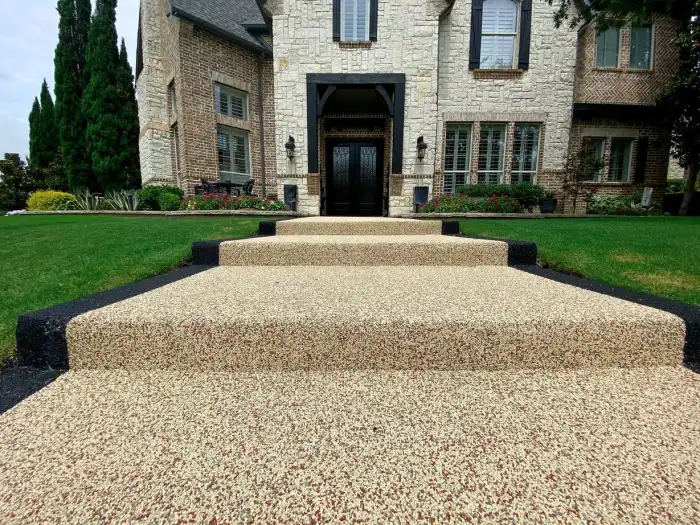
An existing surface is also a color record. When a site is extended or refurbished, the finished area, the retained sample and the original batch reference are what the next phase has to work from.
The FieldsMaster Customization Center gives developers, designers and purchasing teams a practical entry point for updating the color direction and material brief.
3. How to Coordinate Multiple Custom EPDM Colors
Caramel, cocoa, wheat, coffee and toasted brown belong to the same warm family. Their similarity makes a Maillard palette attractive, but it also makes the visual distance between shades important. If the colors sit too close together, the intended layers may merge; if the contrast is too strong, the palette may lose its warmth and continuity.
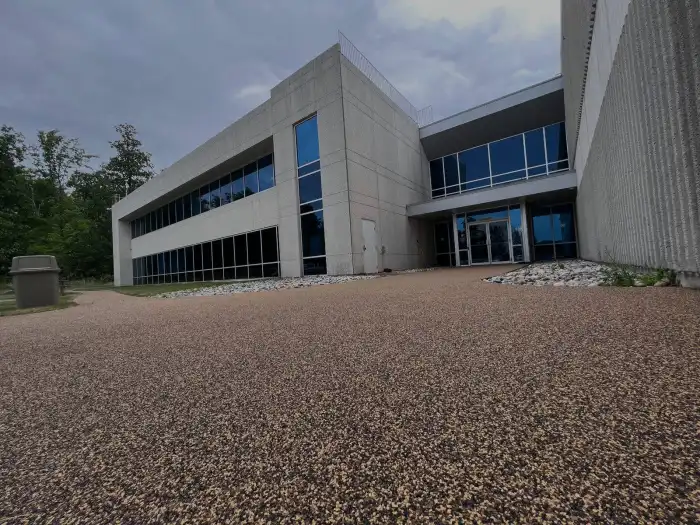
A warm family like this one is judged as a group rather than color by color. The question is whether the shades still read as separate layers at the distance a person actually walks past them, and whether the whole group stays warm next to paving, timber and planting.
FieldsMaster introduced the Maillard collection last year to translate this design direction into combinations that customers can review in physical EPDM material.
Where a project needs several colors in one area, the working order is the same as for a single color: agree the combination, review the relationship between neighboring shades, then confirm the group as a physical sample instead of approving each granule separately on screen.
3.1 How Automated Production Turns an Approved Color into a Repeatable Production Reference
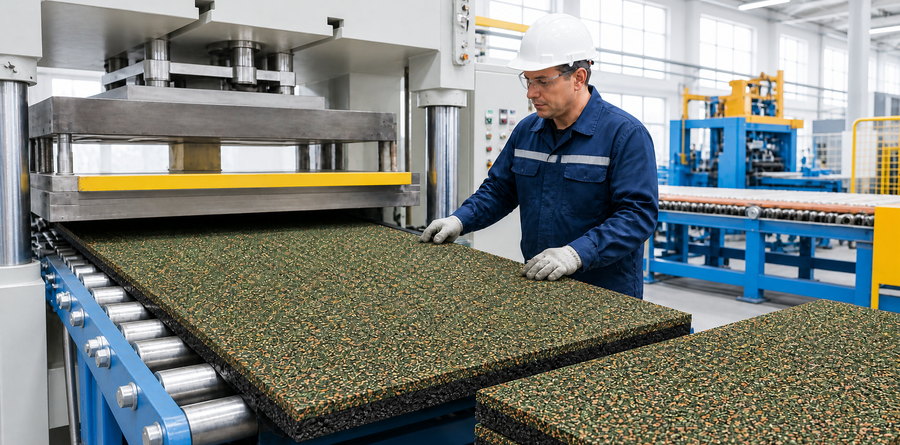
Color consistency begins by taking controllable variables out of guesswork. At FieldsMaster, pigments and minor ingredients are proportioned through a 100% automated process, which removes manual weighing and on-the-spot adjustment from this specific proportioning stage. Formulation retrieval, mixing conditions and production parameters are also set and executed through the automated production system.
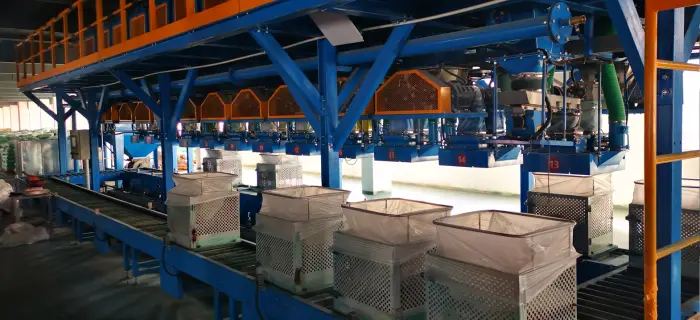
Together, these controlled stages turn an approved color into recorded production inputs that can be retrieved for repeat orders. For customers, that means a confirmed color is not rebuilt from an operator's memory each time the project returns.
Once a sample is approved, FieldsMaster manages the color through color formulation records and production batch records. References from sampling and bulk production are retained, and the production system retrieves and compares the current record with the relevant historical record. Final review still refers to the retained physical sample and current batch conditions.
Raw-material batches and material series remain part of that review. Automation therefore gives FieldsMaster stronger control over repeat production without turning color consistency into an unlimited zero-difference promise.
FieldsMaster uses industrial automotive-grade pigments, while raw-material relationships with suppliers including BASF and Mitsui provide further upstream context for material selection. During a factory visit, customers can observe how pigments are stored, dosed and used in production. The manufacturing capability page shows the mixing, extrusion, cutting and packing stages behind that process.
4. How Custom EPDM Colors Support Landscape Projects
Landscape and children's-space projects often involve designers, distributors, purchasing teams and installers. Each participant may begin with different information: a mood board, an area plan, a packaging requirement or an application brief. FieldsMaster helps turn those inputs into a color reference and material proposal that the project team can review together.
For the customer, the value is direct:
- Reduce uncertainty before material selection: Color Cards, RAL or Pantone references, incoming samples and mood descriptions create several workable starting points.
- Review real material appearance before approval: FieldsMaster sends the prepared EPDM sample to the customer and begins bulk production after confirmation.
- Keep multiple colors visually coherent: FieldsMaster helps review the relationship between neighboring shades, especially in Morandi, Maillard and mixed-color schemes.
- Connect design decisions with purchasing requirements: the approved color reference is carried into the EPDM granules proposal and production communication.
- Reduce repeated clarification when drawings change: FieldsMaster can update the color direction and material communication. Some popular colors may be stocked from time to time, which can help begin replacement discussions sooner; availability remains subject to stock confirmation for the required color, quantity and order timing.
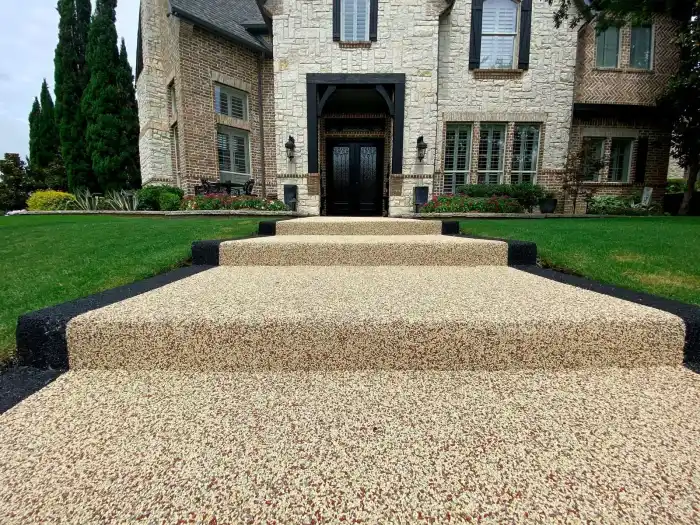
These steps do not remove every project variable, but they give customers a clearer basis for design review, purchasing approval and repeat-order communication.
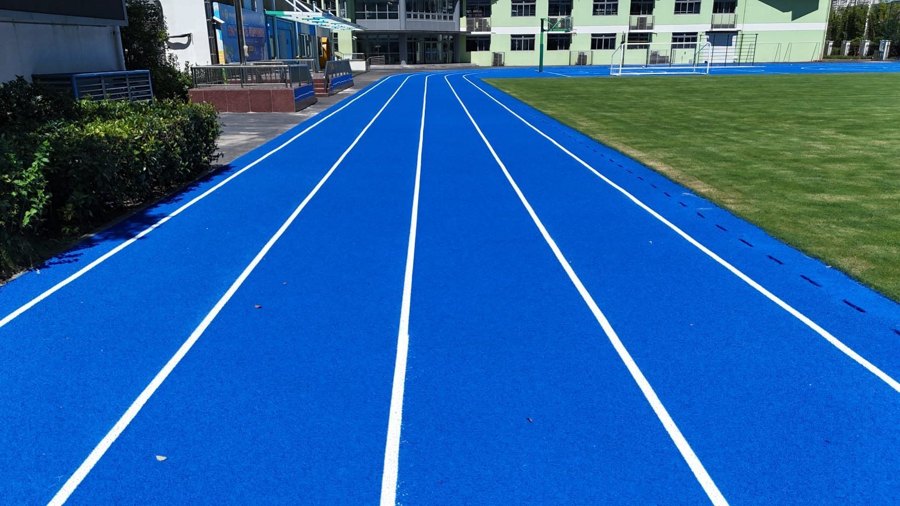
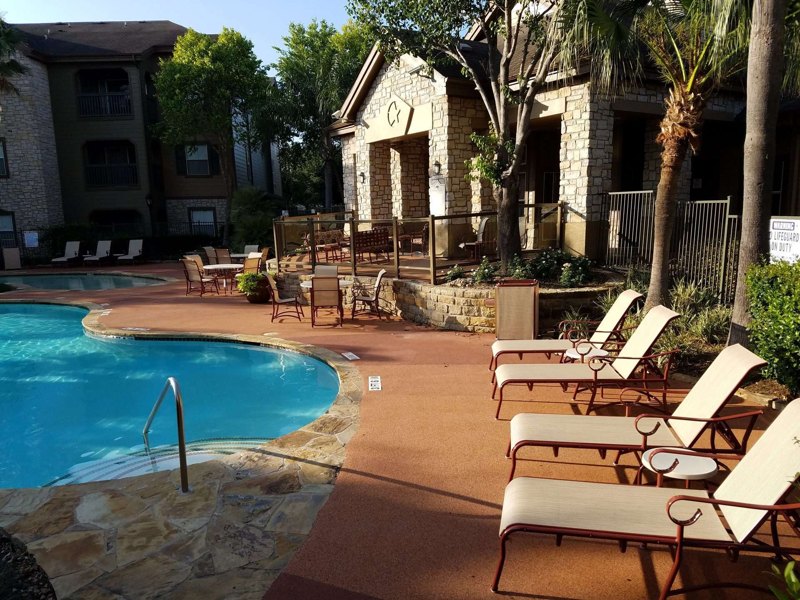
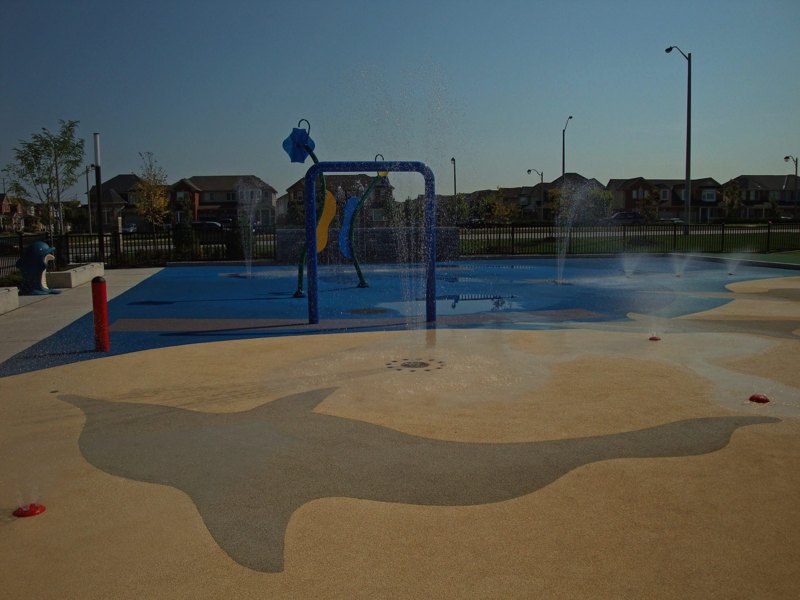
For the residential side of that work, see the residential landscape surfacing solutions. Finished installations are listed in the project references, and the project support page sets out how a color decision is carried into the material brief.
5. Aesthetic Sense Is the Beginning of a Project Capability
The meeting-room poster opened the conversation; the real value appears when aesthetic awareness continues through color matching, physical sampling, production records and repeat-order support.
Morandi colors show why low saturation needs careful matching. Maillard colors show why similar shades need controlled separation. FieldsMaster's role is to help customers carry those decisions into custom EPDM granules that can be reviewed, approved and ordered with clearer references.
That is also why the color work stays connected to the material work. A color that is confirmed in one granule series is not automatically confirmed in another, and the children playground granule series shows how the ranges are organized by application before a color direction is matched to a specific product.
6. From Details to Capability: A FieldsMaster Story Series
This article begins with one poster in one meeting room. The series will continue from other small details that reveal how FieldsMaster works:
- how a screen color becomes a physical EPDM sample;
- why two similar colors may need different project decisions;
- how color trends are translated into material palettes;
- what customization means when a drawing changes;
- how material, pigment, automation and batch communication support color consistency;
- and how aesthetic intention continues through samples, purchasing, production and delivery.
The purpose is not to turn every detail into a slogan. It is to show, one point at a time, how a long-term interest in EPDM granules becomes a solution the customer can actually feel.
The parallel between screen color and physical material is covered in more technical detail in how EPDM rubber granules achieve exact color matching, how to choose granule colors for school playgrounds and 2026 sports surface color trends. FieldsMaster's earlier customer story, a cherishing journey from partner to friend, follows the same approach from the relationship side.
7. Notes on Color Approval and Repeat Orders
Digital color previews help narrow a direction but cannot fully represent the appearance of physical EPDM granules. Different material series should be confirmed separately. Color approval should be based on the physical sample prepared for the selected material, while lighting, surrounding materials, surface structure and actual project conditions may influence the final visual effect. Production records and retained references support repeat-order comparison; they are not a guarantee of zero color difference under every condition.
Material-level documentation, including certifications and test references, is provided against the selected product and the corresponding material series, and the product catalog lists the granule and pigment ranges available for a custom color brief.
8. FAQ
Can I order custom EPDM colors from a RAL or Pantone reference?
Yes. FieldsMaster can also begin with a physical sample, rendering, material board or description of the intended atmosphere. The color is reviewed in the selected EPDM material rather than assumed from the reference alone. The Color Card and the Color Mix Tool are the two usual starting points before a sample is prepared.
How can I request EPDM color samples?
Choose a FieldsMaster color, submit a reference or describe the required direction through the sample request. FieldsMaster prepares and sends the EPDM sample for review; bulk production follows customer approval.
Can FieldsMaster support repeat orders using a previous color reference?
FieldsMaster retains color formulation, sampling and production batch records. The production system retrieves and compares the relevant historical record, while final review also refers to the material series, retained physical reference and current batch conditions.
Start your custom EPDM color project. Explore a color direction and confirm it with physical EPDM samples before bulk production:
- Need to test a direction in real material — free EPDM color samples let the design and purchasing teams approve the same physical reference.
- Want to define a combination first — set proportions for two or more colors in the Color Mix Tool and preview the digital combination; FieldsMaster follows with physical sampling for approval.
- Ready to price the material — submit a drawing or project brief for a Project Quotation, or send a color and quantity for a Products Quotation.
Send the color reference, material series, quantity and destination, and FieldsMaster can return a color-and-material brief within 48 hours, so the sample is approved before the batch is scheduled.