

Everything You Need to Know About Colored EPDM Granules: Safety, Durability, and Certification.
As professionals dedicated to creating safe, engaging, and high-performance environments, we understand that the choice of materials is a critical decision. Today, we turn our focus to the world of colored EPDM granules, a versatile and remarkably resilient solution that is actively transforming public and private spaces alike. From vibrant school playgrounds to sophisticated commercial landscapes, these granules are setting a new standard.
This comprehensive guide will explore why colored rubber granules are rapidly becoming the go-to choice for architects, designers, and facility managers. We will delve into the essential pillars that define their value: the uncompromising safety features they offer, the exceptional durability that ensures long-term performance, and the crucial certifications that build trust and guarantee quality. By examining these aspects, we can better understand the EPDM market trends and how this innovative material continues to shape the future of surfacing.
Key Takeaways
This article provides an in-depth exploration of colored EPDM granules, highlighting their critical role in modern surfacing solutions. Here are the key points to remember:
- Unmatched Safety: High-quality EPDM surfaces are defined by their superior shock absorption and compliance with stringent international safety standards like ASTM F1292 for critical fall height. They are manufactured to be free from harmful chemicals, heavy metals, and PAHs, ensuring they are safe for children and the environment. This makes them the ideal choice for playgrounds and recreational areas where safety is paramount.
- Exceptional Durability and Longevity: Colored EPDM granules are engineered to withstand the harshest conditions. Their excellent UV stability prevents color fading, and their resistance to extreme temperatures, moisture, and wear makes them suitable for diverse climates. This durability translates into a long lifespan, often exceeding 10-15 years with minimal maintenance, offering a significant return on investment.
- Aesthetic Versatility and Customization: A major driver of EPDM's popularity is its vast aesthetic potential. Available in a wide spectrum of vibrant, stable colors, these granules allow for limitless creativity. Designers can create intricate patterns, logos, and themed environments. The option to mix colors provides a powerful tool for crafting unique and engaging spaces that align with specific branding or design visions. FieldsMaster, for instance, prides itself on a core competency of over 114 stable colors.
- Sustainability and Eco-Friendly Attributes: The sustainability of materials is an increasingly important factor in project specifications. Many EPDM granules incorporate recycled content and are part of manufacturing processes that prioritize environmental responsibility. Their long lifespan reduces the need for frequent replacement, conserving resources. Furthermore, their use can contribute to green building certifications like LEED, aligning with modern trends in sustainable urban development.
- Low Maintenance and Cost-Effectiveness: While the initial investment in an EPDM surface may be higher than some alternatives, its total cost of ownership is remarkably low. The non-porous or porous nature of the surface simplifies cleaning—regular sweeping and occasional rinsing are often all that's needed. The material's resilience means fewer repairs, reducing long-term labor and material costs and making it a financially astute choice for any project.
Understanding Colored EPDM Granules: Composition, Characteristics, and Applications
Colored EPDM (Ethylene Propylene Diene Monomer) granules represent the pinnacle of polymer technology in the surfacing industry. Their unique combination of properties has made them an indispensable material for creating surfaces that are not only visually appealing but also exceptionally functional and safe. To fully appreciate their value, it is essential to understand what they are, the characteristics that define their quality, and the diverse applications that are driving their market growth. This foundational knowledge is crucial for anyone involved in designing, specifying, or managing public and commercial spaces, as it illuminates why EPDM is more than just a material—it's a comprehensive solution.
What are Colored EPDM Granules?
Colored EPDM granules are small, resilient rubber particles primarily composed of Ethylene Propylene Diene Monomer, a synthetic rubber with outstanding physical properties. EPDM is a type of terpolymer, meaning it's created from three distinct monomers: ethylene, propylene, and a diene. This specific chemical structure is the source of its remarkable durability. Ethylene provides strength and wear resistance, propylene contributes to its rubber-like elasticity, and the diene monomer creates cross-links during the vulcanization (curing) process, which impart superior resilience, weather resistance, and thermal stability.
The "colored" aspect is achieved by compounding high-quality pigments with the raw EPDM polymer during the manufacturing process. Unlike surface-coated materials, this method ensures the color is integral to the granule itself, making it exceptionally resistant to fading from UV exposure and wear over time. These granules are then typically mixed with a polyurethane (PU) binder on-site and troweled onto a prepared sub-base to create a seamless, uniform surface. This pour-in-place application is a key advantage, as it allows for complete design freedom and a flawless finish, even around complex shapes and equipment.
Key Characteristics of High-Quality Colored Rubber Granules
Not all EPDM granules are created equal. The performance and longevity of an EPDM surface are directly tied to the quality of the granules used. High-quality granules are distinguished by a specific set of characteristics that specifiers and buyers should always look for.
High EPDM Polymer Content: The percentage of pure EPDM polymer is the most critical indicator of quality. A higher EPDM content (typically 20-25% or more) results in superior elasticity, tensile strength, and color stability. Lower-quality alternatives often use fillers which can compromise these properties, leading to a harder, less durable surface that is more prone to cracking and color loss.
Exceptional UV Stability: The ability to resist degradation from ultraviolet (UV) radiation is paramount for any outdoor material. Premium EPDM granules are formulated with advanced UV inhibitors and use high-grade pigments that prevent the colors from fading or chalking, even after years of direct sun exposure. This ensures the surface remains vibrant and aesthetically pleasing throughout its lifespan.
Superior Elasticity and Tensile Strength: The "rubber" in colored rubber granules provides the crucial safety benefit of shock absorption. High-quality EPDM exhibits excellent elasticity, allowing the surface to cushion impacts effectively. It also possesses high tensile strength, meaning it can withstand significant stretching and pulling forces without tearing. This is vital in high-traffic areas like playgrounds and sports tracks, where the surface is constantly under stress.
Consistent Granule Size and Shape: Uniformity in granule size is essential for creating a smooth and structurally sound surface. Consistent sizing ensures a tight, well-compacted installation with a predictable texture and reliable performance. Irregularly sized granules can lead to a weaker bond, surface imperfections, and uneven wear over time.
Wide Range of Vibrant, Stable Colors: A key advantage of EPDM is its aesthetic versatility. Leading manufacturers offer an extensive palette of stable, vibrant colors. This allows designers to move beyond functional surfacing and create engaging, themed environments. For a comprehensive look at the available options, you can explore a detailed color card{:target='_blank'}, which showcases the breadth of design possibilities.
| Characteristic | High-Quality EPDM | Low-Quality Alternative | Impact on Performance |
|---|---|---|---|
| EPDM Content | High (20-25%+) | Low (often with fillers) | Determines elasticity, durability, and colorfastness. |
| UV Resistance | Excellent; stable pigments | Poor; prone to fading and chalking | Maintains aesthetic appeal and surface integrity over time. |
| Elasticity | High and consistent | Low and brittle | Critical for shock absorption and impact safety. |
| Color Purity | Deep, integral color | Surface-coated or inconsistent | Ensures long-lasting, vibrant appearance. |
| Granule Size | Uniform and consistent | Irregular and varied | Affects surface smoothness, compaction, and durability. |
Versatile Applications Driving EPDM Market Trends
The unique combination of safety, durability, and aesthetic flexibility has propelled colored EPDM granules into a wide array of applications, significantly influencing EPDM market trends. The growing demand for these granules is a direct result of their ability to meet the specific needs of various sectors.
Playground Surfacing: This is perhaps the most well-known application. EPDM is the gold standard for playground safety surfacing due to its superior shock-absorbing properties, which help protect children from fall-related injuries. Its non-slip texture provides secure footing, and the vibrant color options allow for the creation of fun, interactive, and inclusive play spaces. The seamless, pour-in-place nature eliminates tripping hazards often associated with tiles or loose-fill materials.
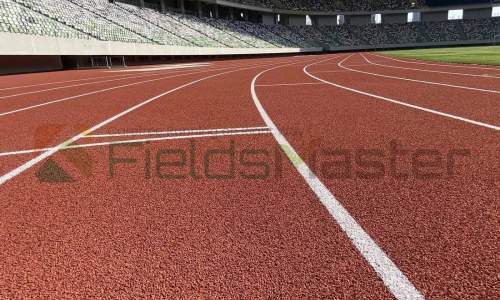
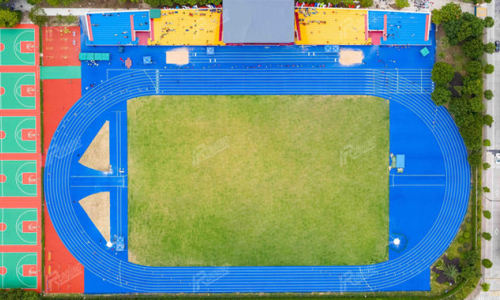
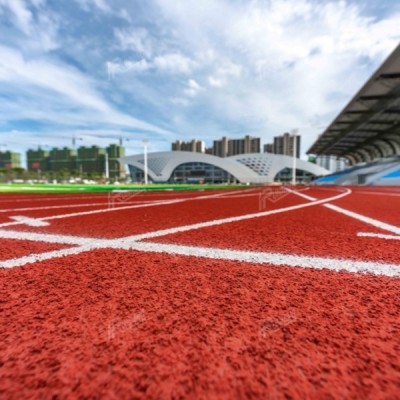
Athletic and Running Tracks: EPDM is a preferred material for professional and recreational running tracks. The surface provides the optimal balance of energy return, shock absorption, and slip resistance, which can enhance athletic performance and reduce the risk of injury. Its durability ensures it can withstand the constant impact of high-volume foot traffic and sports activities.
Multi-Use Games Areas (MUGAs) and Sports Courts: The versatility of EPDM makes it ideal for MUGAs, which need to accommodate a variety of sports like basketball, tennis, and volleyball. The surface can be marked with permanent lines for different games, and its durability stands up to the rigorous demands of multi-sport use.
Pool Surrounds and Water Parks: Safety is paramount in wet areas. EPDM surfaces are slip-resistant, even when wet, significantly reducing the risk of accidents around swimming pools and in splash pads. The material is also resistant to chlorine and other pool chemicals, ensuring it won't degrade or discolor over time.
Walkways, Patios, and Decorative Landscaping: Architects and designers are increasingly using colored EPDM granules to create visually stunning and functional walkways, rooftop terraces, and other decorative landscape features. It offers a comfortable, resilient alternative to hard materials like concrete or pavers. The ability to create custom designs and color combinations allows for unique branding and design statements. To explore the full range of solutions for these applications and more, browse our complete product index{:target='_blank'}.
Aged Care Facilities and Rehabilitation Centers: The soft, cushioned nature of EPDM flooring provides a safer environment for seniors and individuals undergoing physical therapy. It reduces the strain on joints and mitigates the severity of injuries from falls.

The widespread adoption across these diverse fields underscores the material's inherent value and adaptability, solidifying its position as a leading solution in the global surfacing market.
Prioritizing Safety: Crucial Standards and Features of Colored EPDM Granules
When it comes to spaces designed for children, athletes, or the public, safety is not negotiable—it is the absolute priority. Colored EPDM granules have earned their reputation as a premier safety surfacing material precisely because they are engineered to meet and exceed the most rigorous safety standards. The system's ability to cushion falls, its non-toxic composition, and its adherence to internationally recognized certifications are the pillars that support this trust. Understanding these safety features is essential for any specifier, as it ensures the creation of an environment that is not only beautiful and durable but also fundamentally protective.
Impact Protection: Critical Fall Height and Shock Absorption
The single most important safety function of a playground surface is its ability to absorb impact and reduce the severity of injuries from falls. This performance is scientifically measured and regulated, with "Critical Fall Height" (CFH) being the key metric.
What is Critical Fall Height (CFH)? The CFH is the maximum height from which a person could fall onto a surface without sustaining a life-threatening head injury. This is determined through rigorous testing protocols, most notably the ASTM F1292 standard in the United States and EN 1177 in Europe. During these tests, an instrumented headform is dropped from various heights onto the surface, and the impact forces (measured in G-max and HIC - Head Injury Criterion) are recorded. A surface "passes" for a specific height if the recorded impact values remain below the established threshold for critical injury.
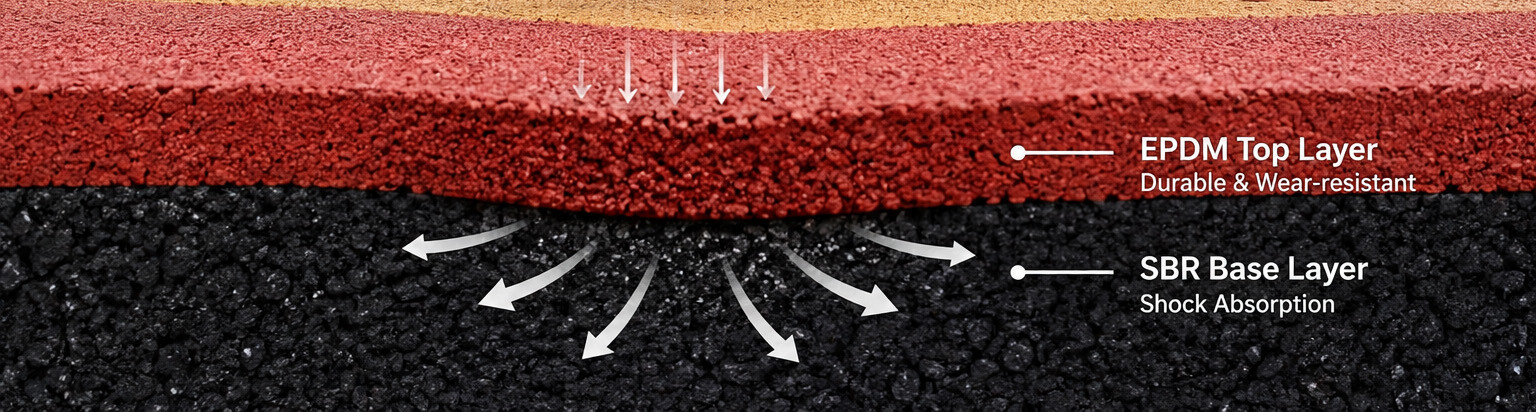
How EPDM Achieves Superior Shock Absorption: A colored EPDM granule surface is not just a single layer; it is a precisely engineered system. It typically consists of two layers:
- Wear Layer: The top layer made of colored EPDM granules mixed with a polyurethane binder. This layer provides the durability, UV resistance, and aesthetic finish.
- Cushion Layer: A base layer, often made from larger black SBR (Styrene-Butadiene Rubber) granules, which are derived from recycled tires. This layer is the powerhouse of shock absorption. The thickness of this cushion layer is adjusted to meet the specific CFH rating required for the playground equipment. A taller slide, for example, requires a thicker cushion layer to provide adequate protection.
The inherent elasticity of the EPDM and SBR rubber, combined in this dual-layer system, creates a surface that effectively dissipates the energy of an impact over a wider area. Instead of a hard, instantaneous shock, the force is absorbed and dampened, significantly reducing the risk of serious injury.
Chemical and Material Safety in Colored Rubber Granules
Beyond physical safety from falls, the material composition of the surface itself must be inherently safe and non-toxic. Parents and facility managers need assurance that the surfaces children play on are free from harmful substances. High-quality EPDM manufacturers prioritize this by strictly controlling their raw materials and production processes.
Key aspects of chemical safety include:
Free from Heavy Metals: Reputable EPDM granules are certified to be free from dangerous heavy metals such as lead, mercury, cadmium, and chromium. These substances can be toxic if ingested or absorbed, and their presence in consumer products, especially those for children, is strictly regulated by standards like ASTM F963 (Standard Consumer Safety Specification for Toy Safety).
Low Polycyclic Aromatic Hydrocarbons (PAHs): PAHs are a class of chemicals that can be found in some rubber products. While more commonly associated with recycled tire crumb rubber, exposure to high levels of certain PAHs can pose health risks. Premium virgin EPDM is manufactured through controlled chemical synthesis, not from recycled tires, and thus contains negligible levels of PAHs, making it the safest option for direct and prolonged skin contact.
No Harmful Fillers or Additives: The production of high-quality EPDM granules avoids the use of hazardous plasticizers, phthalates, or other chemical additives that could leach out over time. All components, from the polymer itself to the pigments and UV stabilizers, are selected for their safety and stability.
Choosing a supplier who provides transparent documentation and third-party testing results for chemical safety is a non-negotiable part of the specification process.
Certification and Compliance: Meeting International Safety Standards
Certifications are the backbone of trust in the safety surfacing industry. They provide independent, third-party verification that a product meets established benchmarks for performance and safety. When specifying colored EPDM granules, it is crucial to look for compliance with a range of key international standards.
- ASTM F1292 (USA): As mentioned, this is the standard for impact attenuation of surfacing materials within and around playground equipment. Compliance is mandatory for public playgrounds in the U.S.
- EN 1177 (Europe): The European equivalent of ASTM F1292, this standard also specifies methods for determining impact absorption. Products sold or installed in Europe must meet this certification.
- ASTM F1951 (USA): This standard tests the accessibility of the surface for individuals using wheelchairs. A compliant EPDM surface is firm, stable, and slip-resistant, ensuring it meets the requirements of the Americans with Disabilities Act (ADA).
- ISO 9001: Quality Management: While not a product safety standard itself, ISO 9001 certification for the manufacturer indicates they have robust quality control systems in place. This ensures consistency in raw material sourcing, production, and final product quality, which contributes directly to the reliability and safety of the granules.
- REACH Compliance (Europe): This European regulation (Registration, Evaluation, Authorisation and Restriction of Chemicals) aims to protect human health and the environment from the risks posed by chemicals. EPDM granules compliant with REACH have been verified to not contain substances on its restricted list in concentrations that are deemed harmful.
By insisting on products that are certified to these standards, you are not just buying a material; you are investing in a proven safety system. It provides peace of mind and legal defensibility, ensuring that you have exercised due diligence in creating the safest possible environment.
The Enduring Value of Colored EPDM Granules: Durability and Long-Term Cost Benefits
While the initial investment in a colored EPDM granule surface may be higher than some alternatives like wood chips or sand, its true economic value is revealed over the long term. The 'enduring value' of EPDM is rooted in its exceptional durability, minimal maintenance requirements, and impressive lifespan. These factors combine to deliver a lower total cost of ownership and a superior return on investment, making it a financially prudent choice for schools, municipalities, and commercial property owners. This section explores the key elements that contribute to the long-term economic and functional benefits of choosing high-quality colored EPDM surfacing.
Exceptional Durability in Diverse Environments
The molecular structure of EPDM rubber is the foundation of its extraordinary resilience. It is engineered to withstand a wide range of environmental stressors that would cause other materials to degrade, fade, or fail.
Unmatched Weather and Temperature Resistance: EPDM is renowned for its ability to perform in extreme climates. It remains flexible and elastic in freezing temperatures without becoming brittle and cracking, and it doesn't soften or deform under intense heat. This thermal stability ensures consistent performance and safety year-round, from the hot summers of Arizona to the cold winters of Minnesota. It is resistant to ozone and atmospheric aging, which can cause other rubbers to break down.
Superior UV Stability: As discussed earlier, one of the defining features of high-quality colored EPDM granules is their resistance to ultraviolet (UV) radiation. The combination of stable, high-grade pigments and advanced UV inhibitors integrated during the manufacturing process ensures that the vibrant colors remain true for years. This prevents the dull, faded appearance that plagues other colored surfaces, preserving the aesthetic integrity and value of the space.
High Wear and Abrasion Resistance: EPDM surfaces are built to handle constant use. Whether it's the pounding feet of children on a playground, the repetitive motion on a running track, or the general foot traffic in a public plaza, the material resists abrasion and wear. Its high tensile strength and tear resistance prevent damage from daily activities, ensuring the surface remains intact and safe without developing holes, ruts, or loose spots.
Chemical and Moisture Resistance: The non-porous nature of the EPDM polymer makes it inherently resistant to moisture, mold, and mildew growth. It is also unaffected by common chemicals, including chlorine (making it ideal for pool surrounds), salts (used for de-icing), and mild acids or alkalis. This chemical inertness prevents material breakdown and staining, contributing to its longevity and clean appearance.
Low Maintenance Requirements and Total Cost of Ownership
The "set it and forget it" nature of EPDM surfacing is one of its most attractive features from a facility management perspective. Compared to high-maintenance alternatives, EPDM significantly reduces ongoing labor and material costs.
Comparison of Maintenance Needs:
| Surface Type | Daily/Weekly Maintenance | Annual/Long-Term Maintenance | Total Cost of Ownership |
|---|---|---|---|
| Colored EPDM Granules | Routine sweeping/blowing of debris. Occasional rinsing with water. | Inspect for damage. Professional cleaning for heavy soiling. | High initial cost, very low ongoing costs. |
| Wood Chips/Mulch | Raking to maintain depth, removing foreign objects, constant replenishment. | Top-up annually to meet safety depth, sanitizing. | Low initial cost, high and perpetual ongoing costs. |
| Sand/Gravel | Raking, sifting to remove debris and waste, leveling. | Annual replenishment, compaction checks. Hidden hazards. | Low initial cost, very high labor and replacement costs. |
| Grass | Mowing, watering, fertilizing, re-seeding worn areas. | Aeration, weed control. Becomes mud/hard-pack. | Moderate initial cost, high and constant maintenance costs. |
Calculating Total Cost of Ownership (TCO): TCO is a critical calculation that includes the initial purchase price plus all costs associated with a product over its entire lifespan. For EPDM, the calculation is favorable:
TCO = Initial Installation Cost + (Annual Maintenance Cost x Lifespan) - Salvage Value
Because the annual maintenance cost for EPDM is minimal and its lifespan is long, the TCO is often significantly lower than that of materials like wood mulch, which require constant and costly replenishment to remain safe and compliant.
Investment Return and Lifespan of Colored Rubber Granules
A surface made from high-quality colored EPDM granules is a long-term investment, not a short-term expense. When properly installed and maintained, these surfaces can be expected to last for 10 to 15 years or even longer.
The return on this investment (ROI) is realized through several key channels:
- Reduced Maintenance and Repair Costs: The direct savings on labor, materials, and equipment that would otherwise be spent on maintaining other types of surfacing accumulate year after year, often offsetting the higher initial cost within a few years.
- Enhanced Safety and Reduced Liability: A consistently safe and compliant surface reduces the risk of accidents and potential liability claims. The peace of mind and financial protection this offers is an invaluable, if intangible, part of the ROI.
- Increased Property Value and Aesthetic Appeal: A vibrant, well-maintained EPDM surface enhances the visual appeal of a property, making it more attractive to potential residents, customers, or students. This "curb appeal" can translate directly into higher property values and increased utilization of facilities.
- Durability and Longevity: The long lifespan means that replacement cycles are far less frequent. A facility may only need to install a new surface once every 15 years, as opposed to every 1-2 years of major replenishment for loose-fill materials.
Ultimately, the enduring value of colored EPDM granules lies in this powerful combination of physical resilience and economic intelligence. It is a material that not only performs exceptionally well on day one but continues to deliver safety, beauty, and cost savings for years to come.
Sustainability and Aesthetic Versatility: Shaping Modern EPDM Market Trends
In today's design and construction landscape, two forces are profoundly shaping material choices: the growing imperative for sustainability and the endless pursuit of aesthetic innovation. Colored EPDM granules are at the nexus of these two trends. Their composition, which can incorporate recycled materials, and their incredible range of color and design possibilities make them a forward-thinking choice for modern projects. As architects and clients alike demand materials that are both environmentally responsible and visually compelling, EPDM is increasingly recognized as a solution that masterfully delivers on both fronts, driving key trends in the EPDM market.
Embracing Sustainability with Recycled Content
The conversation around sustainability in construction involves the entire lifecycle of a material—from raw material sourcing to end-of-life disposal. EPDM surfacing systems contribute positively to this conversation in several ways.
Integration of Recycled Materials: While the top wear layer is often made from virgin EPDM for maximum color purity and UV stability, the critical cushion layer beneath it is typically composed of SBR (Styrene-Butadiene Rubber) made from 100% recycled tires. Each year, this application diverts millions of used tires from landfills, giving them a new life as a high-performance safety component. This practice is a prime example of a circular economy in action, turning a waste product into a valuable resource.
Long Lifespan Reduces Waste: Durability is a cornerstone of sustainability. Because an EPDM surface can last for 15 years or more, it significantly reduces the need for frequent replacements. This conserves the raw materials and energy that would be required to manufacture and install new surfaces, and it minimizes the amount of waste generated from removing old, worn-out materials. Compared to loose-fill mulch that needs annual replenishment, the long-term waste reduction is substantial.
Porosity and Stormwater Management: EPDM systems can be installed as either porous or non-porous surfaces. Porous installations are particularly beneficial for sustainable site design. They allow rainwater to percolate through the surface and into the ground below, which helps to recharge local aquifers, reduce stormwater runoff, and decrease the burden on municipal drainage systems. This feature is highly valued in environmentally sensitive urban planning.
Customization and Aesthetic Appeal of Colored EPDM Granules
Beyond its functional and sustainable attributes, the primary draw for many designers is the unparalleled aesthetic freedom that EPDM offers. It's not just a surface; it's a canvas.
An Expansive Color Palette: High-quality EPDM is available in a vast array of vibrant, consistent colors. Leading suppliers like FieldsMaster boast a selection of over 114 standard colors, giving designers an extensive palette to work with. This allows for perfect matching with school colors, corporate branding, or specific architectural themes.
Intricate Designs and Graphics: Because EPDM is poured in place as a liquid, it can be formed into virtually any shape or pattern. This enables the creation of intricate logos, educational games (like world maps or number lines), artistic murals, and clear directional markings directly within the surface. This capability transforms a simple floor into an interactive, engaging, and branded environment.
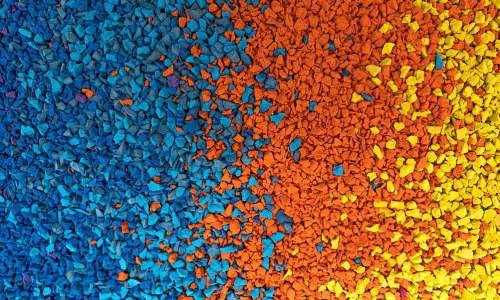
Custom Color Blending: The potential for customization is nearly infinite. Granules of different colors can be mixed to create unique shades, heathered effects, or speckled patterns. Designers can experiment with different ratios to achieve the precise look they envision. For those looking to explore these possibilities, an interactive color mixing tool{:target='_blank'} can be an invaluable resource, allowing for virtual experimentation with blends before making a final decision. This approach, championed by designers looking to impress clients with unique color schemes, highlights the commercial value of color design and inspires confidence in EPDM's market potential.

Responding to Green Building and Urban Development Trends
The features of EPDM surfacing align perfectly with several major trends in modern architecture and urban planning, including the rise of green building standards and the focus on creating healthier, more livable cities.
Contribution to Green Building Certifications (LEED): Projects seeking certifications like LEED (Leadership in Energy and Environmental Design) can earn points by using materials with sustainable attributes. EPDM surfacing can contribute to this in several categories:
- Recycled Content: By using SBR in the cushion layer.
- Stormwater Design: By using a porous installation to help manage runoff.
- Heat Island Effect Reduction: By selecting lighter colors that reflect more sunlight and absorb less heat than traditional asphalt or dark surfaces.
Urban Greening and Active Design: Cities are increasingly focused on transforming underutilized urban spaces into vibrant public areas that encourage physical activity and community interaction. Colored EPDM is an ideal material for this, enabling the creation of "pop-up" parks, colorful urban trails, and inviting public plazas. Its comfortable, safe, and visually appealing nature encourages people to walk, play, and gather.
Consumer Demand and Market Growth: The market for colored EPDM is expanding due to a confluence of factors: consumer upgrading, the renovation of school and university sports facilities, and a growing demand for decorative elements in commercial spaces. As designers and the public become more aware of the benefits and aesthetic possibilities, the demand for high-quality, innovative EPDM solutions continues to grow, further solidifying its place as a material of choice for the 21st century.
Frequently Asked Questions (FAQ)
1. Are colored EPDM granules safe for children and pets? Absolutely. This is one of its most important features. High-quality, virgin EPDM granules are specifically manufactured to be non-toxic. They are free from harmful substances like heavy metals (lead, cadmium), phthalates, and polycyclic aromatic hydrocarbons (PAHs). Reputable manufacturers ensure their products meet or exceed stringent international toy safety standards, such as ASTM F963. The surface is also non-abrasive and hypoallergenic, making it safe for direct skin contact for both children and animals.
2. How long does an EPDM surface last, and what affects its lifespan? A professionally installed EPDM surface using high-quality materials can be expected to last for 10 to 15 years, and sometimes even longer. The primary factors influencing its lifespan are:
- Quality of Materials: Using granules with a high EPDM polymer content and a high-quality UV-resistant polyurethane binder is crucial.
- Installation Quality: Proper sub-base preparation, correct mixing ratios, and professional installation techniques are essential for a durable bond.
- Level of Use: A high-traffic school playground will experience more wear than a decorative residential patio.
- Climate: While EPDM is extremely weather-resistant, surfaces in regions with extreme UV exposure or freeze-thaw cycles may age slightly faster than those in milder climates.
- Maintenance: Regular, simple maintenance will significantly extend the life of the surface.
3. Will the colors of the EPDM granules fade over time? One of the key advantages of premium EPDM is its exceptional UV stability. The color is not a coating; it is integrated throughout the entire granule during the manufacturing process using high-grade, automotive-quality pigments. This, combined with powerful UV inhibitors, means the colors will remain vibrant and resist fading, chalking, or discoloration for many years, even under intense, direct sunlight. Low-quality granules, however, may fade noticeably within just a few years.
4. What kind of maintenance does an EPDM surface require? EPDM surfacing is prized for being extremely low-maintenance. Routine care involves:
- Regular Sweeping/Blowing: Use a leaf blower or broom to remove loose debris like leaves, dirt, and sand.
- Occasional Rinsing: A simple hosing down with water can remove fine dust and dirt. For more stubborn stains, a mild detergent and a soft brush can be used, followed by a thorough rinse.
- Spot Repairs: In the unlikely event of damage (e.g., from vandalism), the affected area can be easily cut out and repaired with a matching EPDM batch, creating a nearly invisible patch. Compared to the constant replenishment required for loose-fill materials like wood chips, EPDM offers significant savings in time, labor, and cost.
5. Can EPDM surfaces be repaired, and how is it done? Yes, EPDM surfaces are very repairable. This is a significant advantage over some other surfacing types. If a section gets damaged, the repair process is straightforward. A trained technician will cut out the damaged portion in a clean, regular shape (like a square or rectangle). They will then mix a fresh batch of EPDM granules and binder that matches the original color and trowel it into the prepared area, smoothing it to be level with the surrounding surface. When done correctly, the seam is virtually unnoticeable, and the structural integrity of the surface is fully restored.
6. Is EPDM surfacing environmentally friendly? EPDM surfacing offers several key sustainability benefits. The most significant is the common use of a cushion layer made from 100% recycled SBR rubber, which diverts millions of tires from landfills annually. Furthermore, its long lifespan of 10-15+ years means less frequent replacement, conserving resources and reducing waste. Porous EPDM systems also help with sustainable stormwater management. While the top EPDM layer is typically virgin material for performance reasons, the overall system represents a responsible choice that aligns well with green building principles.
7. How is the cost of an EPDM surface determined? The cost of an EPDM installation is based on several variables:
- Area Size: Total square footage of the project.
- Thickness: The required thickness of the cushion and wear layers, which is determined by the Critical Fall Height (CFH) needed.
- Colors and Design: Simple, single-color installations are most cost-effective. Complex designs with multiple colors, intricate patterns, or logos require more labor and materials and will be more expensive.
- Site Preparation: The condition of the existing sub-base. A new concrete or asphalt base may need to be installed, or an existing base may need significant preparation, which adds to the cost.
- Site Accessibility: The ease with which workers and materials can get to the installation site.
While the initial cost is higher than materials like wood mulch, its low total cost of ownership makes it a superior long-term investment.
Conclusion
In summary, colored EPDM granules offer a powerful and intelligent combination of safety, durability, and aesthetic adaptability, proving themselves to be a superior choice for a vast array of modern surfacing needs. From protecting children on playgrounds with certified fall protection to providing athletes with high-performance tracks and enabling designers to bring their most creative visions to life, this versatile material consistently delivers on its promises.
As we have seen, the value of EPDM extends far beyond its vibrant appearance. Its compliance with rigorous international safety and quality certifications provides essential peace of mind. Its sustainable attributes—including the use of recycled content and a long service life—align with the growing demand for environmentally responsible construction. Finally, its exceptional durability and low maintenance requirements translate into long-term financial value, making it a leader in shaping current EPDM market trends. When you choose EPDM, you are investing in a solution that is built to last, designed to inspire, and engineered to protect.