

EPDM Rubber Granules: Definition, Properties, and Key Applications Explained
As your guide, I'll explore the fascinating world of EPDM rubber granules, a fundamental material shaping the safe, durable, and vibrant recreational spaces that surround us. Today, I want to share insights into how these versatile rubber granules define quality in modern outdoor and indoor surfaces, ensuring both long-lasting performance and exceptional safety for everyone.
Key Takeaways
- What EPDM Is: EPDM (Ethylene Propylene Diene Monomer) is a high-quality, virgin synthetic rubber, not to be confused with recycled tire rubber. Its unique chemical composition makes it exceptionally resistant to UV rays, weather, and aging.
- Core Properties: The defining features of premium EPDM granules are high tensile strength, elasticity, color stability, and weather resistance. These properties ensure a surface that is durable, safe, and retains its appearance over time.
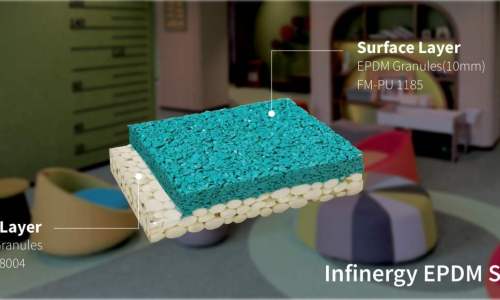
- Primary System: EPDM granules are the top wear layer in poured-in-place (PIP) rubber systems. They are mixed with a polyurethane binder and troweled over a shock-absorbing base layer to create a seamless, cushioned surface.
- Diverse Applications: EPDM is the material of choice for playground safety surfaces, running tracks, sports courts, splash pads, and decorative walkways. Its versatility allows for creative designs and functional safety in countless environments.
- Quality Matters Most: The polymer content, granule uniformity, and tensile strength are critical indicators of quality. Investing in high-quality EPDM from the start guarantees a longer lifespan, lower maintenance costs, and better long-term value than cheaper alternatives.
Understanding EPDM Granules: A Detailed EPDM Granules Definition and Their Unique Composition
At its core, EPDM is a material engineered for resilience. To truly appreciate its role in creating superior surfaces, it's essential to understand what it is, how it's made, and how it stands apart from other materials in the market.
The Core of Poured-in-Place Systems: What EPDM Rubber Granules Truly Are
EPDM stands for Ethylene Propylene Diene Monomer, a name that points to its specific chemical makeup. It is a type of synthetic rubber, technically a terpolymer, created from these three monomers. This isn't just technical jargon; this specific composition is precisely what gives EPDM its signature durability and stability against environmental factors. Unlike Styrene-Butadiene Rubber (SBR), which is often derived from recycled tires, EPDM granules are produced from virgin materials, ensuring consistent quality, color purity, and performance from the very beginning.
Technically speaking, the term "EPDM granules" is slightly imprecise. A more accurate name would be "EPDM compound granules." This is because the final product is a composite material made of several ingredients:
- EPDM Polymer: This is the primary base material that gives the granules their fundamental rubber properties and holds all other components together.
- Fillers: Natural inorganic materials, such as calcium carbonate (chalk), are added to optimize the granule's weight, feel, and adhesion to binders. Fillers are often the largest component by content.
- Oils and Additives: These are used as processing aids and to impart specific properties like UV stabilization or fire retardancy.
- Dyes/Pigments: High-quality pigments are used to give the granules their vibrant, long-lasting colors.
- Vulcanizing Agents: Agents like sulfur are used in a process called vulcanization, which heats the compound to create strong, cross-linked bonds within the rubber, making it durable and elastic.
From a designer's perspective, think of EPDM granules as a high-performance architectural medium. They are not just functional particles but a creative palette. These granules are the key ingredient in the top "wear layer" of a poured-in-place (PIP) rubber system, which is the gold standard for many safety surfaces. In this system, a base layer of shock-absorbing material (often recycled SBR) is installed first. Then, the EPDM granules are mixed on-site with a liquid polyurethane (PU) binder and troweled smoothly over the base layer. As the binder cures, it permanently locks the granules together, forming a seamless, flexible, and porous surface that is both safe and visually stunning.
Distinguishing EPDM vs. TPV Rubber Granules: Key Differences in Performance and Longevity
While EPDM has long been the standard, another high-performance material, TPV (Thermoplastic Vulcanizate), has gained popularity. Although they serve similar purposes and can look alike initially, they have fundamental differences in their composition, manufacturing, and long-term performance.
TPV is an elastomer where EPDM particles are dispersed within a thermoplastic matrix, typically polypropylene. This structure allows it to be processed like a plastic (melted and reshaped) while retaining rubber-like properties. EPDM, by contrast, is a thermoset rubber, meaning its vulcanization process is irreversible.
Here’s a comparative look at their key characteristics:
| Feature | EPDM (Ethylene Propylene Diene Monomer) | TPV (Thermoplastic Vulcanizate) |
|---|---|---|
| Composition | A thermoset synthetic rubber created from ethylene, propylene, and a diene monomer. | A thermoplastic elastomer, typically a blend of EPDM rubber particles within a polypropylene matrix. |
| UV Stability & Colorfastness | Good, but can be prone to some fading or chalking over time, especially in certain colors and lower-quality formulations. | Generally considered superior in UV resistance and long-term color stability due to advanced stabilizers and its core structure. |
| Mechanical Properties | Excellent elasticity, strength, and compression set. It is known for its softness and flexibility. | Also highly elastic, but can sometimes feel harder than EPDM. Mechanical properties remain very stable under thermal conditions. |
| Durability & Weathering | Extremely durable with outstanding resistance to weathering, ozone, and extreme temperatures. | Also exceptionally durable and resists cracking, maintaining its integrity in fluctuating temperatures. |
| Chemical Resistance | Very good resistance to polar fluids like water, alkalis, and ketones, but not to mineral oils. | Excellent chemical resistance, partly due to the protective polypropylene matrix. |
| Installation | A well-understood process. The granules mix well with binders and are relatively easy for experienced installers to trowel to a smooth finish. | Can be more challenging to trowel smoothly due to its different texture, potentially requiring more effort from installers. |
| Sustainability | Being a thermoset rubber, it is more difficult to recycle. | Fully recyclable, as its thermoplastic nature allows it to be melted down and repurposed. |
| Cost | Typically more cost-effective as a raw material compared to TPV. | The raw material is often more expensive, but some cost savings can be realized in certain manufacturing processes. |
Verdict for Designers and Planners: While both are premium materials, the choice often depends on project priorities. TPV is often favored for projects in regions with extreme UV exposure or where long-term color vibrancy is the absolute top priority. EPDM remains a highly reliable and balanced choice, offering decades of proven performance, excellent mechanical properties, and a more accessible price point, making it the unmatched standard for many playground and sports applications. To explore a wide variety of high-performance surface options, you can visit our products page.
Delving into EPDM Rubber Granules Properties: Exploring Durability, Elasticity, and Resistance
The widespread adoption of EPDM granules stems from a unique combination of physical and chemical properties. These characteristics are not just technical specifications; they directly translate into safer play areas, more reliable athletic tracks, and longer-lasting recreational spaces. Understanding these properties is key to appreciating why not all rubber granules are created equal.
The Essential Characteristics that Define Quality Rubber Granules Properties in EPDM
High-quality EPDM is defined by Its ability to withstand the elements, heavy use, and the test of time. These are the foundational properties that architects, designers, and facility managers rely on.
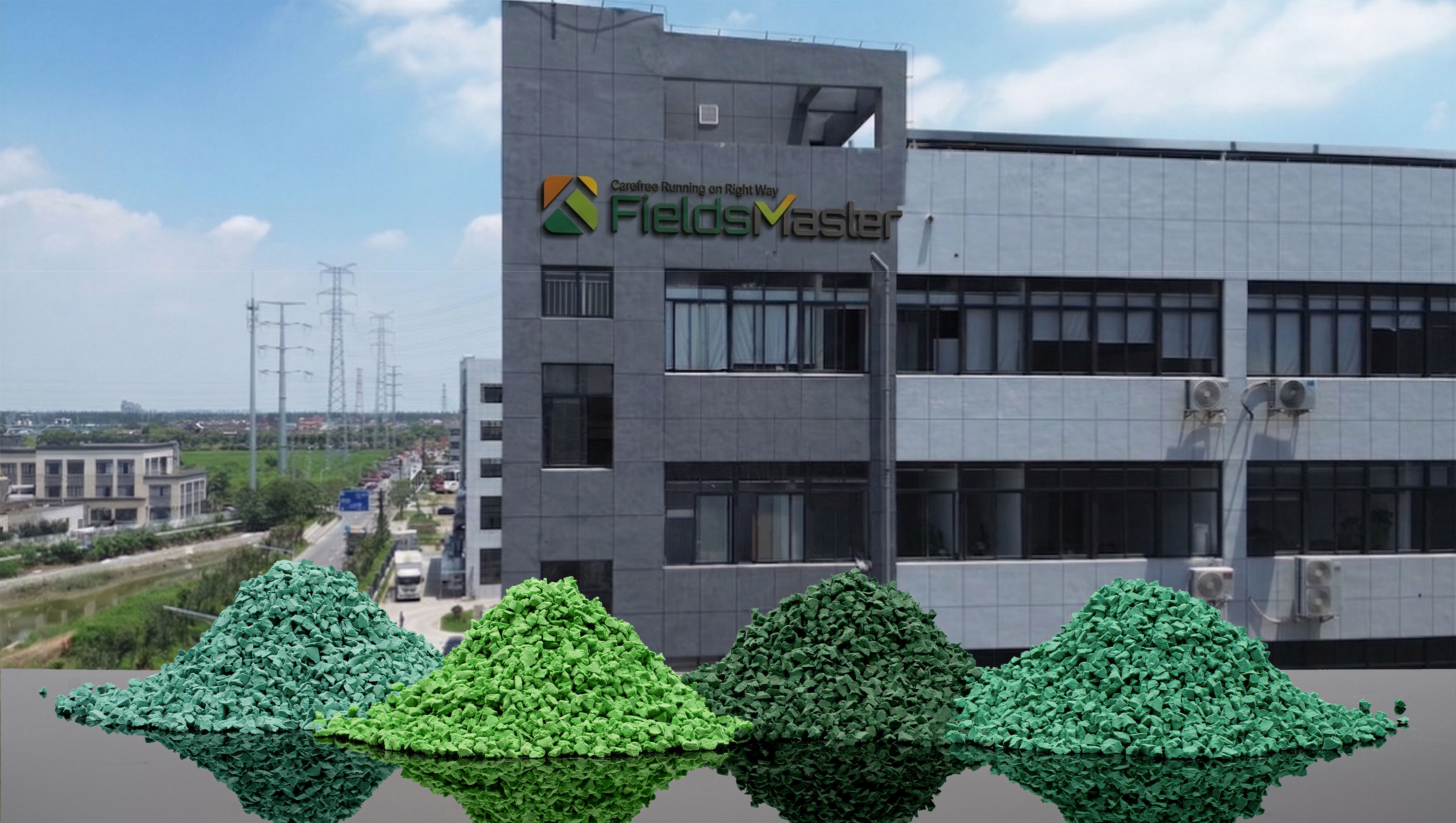
- Exceptional UV and Weather Resistance: EPDM's molecular structure has a saturated polymer backbone, which makes it inherently resistant to degradation from ultraviolet (UV) radiation, ozone, and harsh weather conditions. Unlike materials that crack, fade, or become brittle under constant sun exposure, EPDM maintains its color and elasticity for years, ensuring a lifespan of 10-15 years or more in outdoor applications.
- Superior Elasticity and Shock Absorption: EPDM is prized for its rubbery, elastic nature. This property is crucial for safety surfacing, as it provides the cushioning needed to absorb impact and reduce the risk of injuries from falls. This elasticity is maintained across a wide range of temperatures, providing consistent performance in both freezing winters and hot summers.
- Vibrant and Stable Color: Manufactured from virgin rubber, EPDM granules can be pigmented to create a wide spectrum of bright, vibrant colors. High-quality granules use premium pigments and UV stabilizers that resist fading, allowing for intricate, long-lasting designs and logos that don't wash out over time.
- Temperature and Thermal Stability: EPDM demonstrates remarkable stability across a wide temperature range, remaining flexible in cold conditions (down to -40°C) and stable in heat (up to 150°C). It is also highly resistant to steam and hot water, making it a suitable choice for splash pads and wet-deck areas.
- Chemical Resistance: The nonpolar nature of EPDM makes it highly resistant to polar substances, including alkalis, common acids, soaps, and detergents. This "chemical laziness" ensures that the surface won't degrade from routine cleaning or exposure to common chemicals.
Why Tensile Strength Matters for EPDM Granules: Ensuring Enhanced Pliability and Structural Integrity
While properties like color and elasticity are easily observed, one of the most critical—yet unseen—properties is tensile strength. It’s a key indicator of a granule’s durability and ability to hold together under stress.
Tensile strength is the measure of the maximum force a material can withstand while being stretched or pulled before it breaks. For EPDM granules, this property is crucial because the final poured-in-place surface is a matrix of granules held together by a binder. The entire surface is constantly subjected to tension—from foot traffic, temperature changes that cause expansion and contraction, and the movement of play equipment. A material with low tensile strength is more likely to tear or crack under this stress.
How We Measure Tensile Strength for Reliable EPDM Granule Performance
Tensile strength is not a subjective measure; it is scientifically quantified through standardized testing, most commonly following protocols like ASTM D412. The process involves:
- Sample Preparation: A standardized "dumbbell" or "dog-bone" shaped specimen of the cured rubber material is created.
- Testing Machine: The specimen is clamped into the jaws of a tensiometer, or tensile testing machine.
- Stretching: The machine pulls the specimen apart at a constant, controlled speed until it ruptures.
- Calculation: The force required to break the specimen is measured and divided by the material's cross-sectional area. The result is expressed in megapascals (MPa) or pounds per square inch (psi).
High-quality EPDM vulcanizates can achieve a tensile strength of 10-25 MPa, a significant improvement over the 2-7 MPa of raw EPDM rubber, thanks to reinforcement with materials like carbon black during compounding. For example, a quality EPDM granule might have a stated tensile strength of over 10 MPa, indicating superior material composition and manufacturing.
The Direct Impact of High Tensile Strength on EPDM Rubber Granules' Longevity and Safety
The practical implications of high tensile strength are significant, directly influencing the return on investment of any EPDM surface.
- Enhanced Durability: Granules with high tensile strength create a surface that is highly resistant to tearing, ripping, and cracking. This is especially important in high-traffic zones like the areas under swings, at the base of slides, or on sports courts where constant pivoting and lateral movements occur.
- Greater Longevity: A surface that doesn't easily crack or tear will last much longer, reducing the need for costly repairs and premature replacement. This makes high tensile strength a key factor in the total cost of ownership.
- Improved Safety: Tearing and cracking don't just look bad; they create safety hazards. A split in a surface can become a trip hazard, and loose granules can diminish the surface's overall shock-absorbing capability. By preventing these failures, high tensile strength directly contributes to maintaining a safe environment.
In essence, choosing EPDM granules with proven high tensile strength is an investment in a surface built to last. It ensures the structural integrity needed to withstand daily use and environmental stress, safeguarding both the users and the owner's investment.
Diverse EPDM Applications: Revolutionizing Safe Surfaces with EPDM Rubber Granules in Various Settings
Thanks to its remarkable combination of durability, safety, and aesthetic flexibility, EPDM rubber has expanded far beyond its initial uses. Today, it is a foundational material for countless recreational, athletic, and architectural environments, transforming them into safer and more visually appealing spaces.
Primary EPDM Applications: From Playgrounds to High-Performance Sports Fields
The versatility of EPDM allows it to be adapted for a wide range of needs, each leveraging its core properties in a unique way.
Playground Safety Surfacing: This is perhaps the most well-known application. Poured-in-place EPDM systems provide a seamless, cushioned surface that is critical for reducing the risk of fall-related injuries. Its ability to meet specific critical fall height (CFH) requirements makes it the preferred choice for schools, parks, and childcare centers. Furthermore, the vibrant color palette allows designers to create fun, engaging themes and patterns that enhance the play experience.
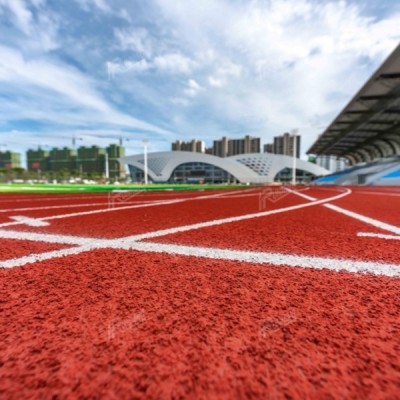
Running Tracks and Athletic Fields: EPDM is the top layer of choice for many professional and recreational running tracks. It provides the ideal balance of firmness for energy return and shock absorption to reduce stress on athletes' joints. Its slip-resistant texture ensures reliable grip even in wet conditions, and its durability withstands the repetitive impact of spiked footwear.
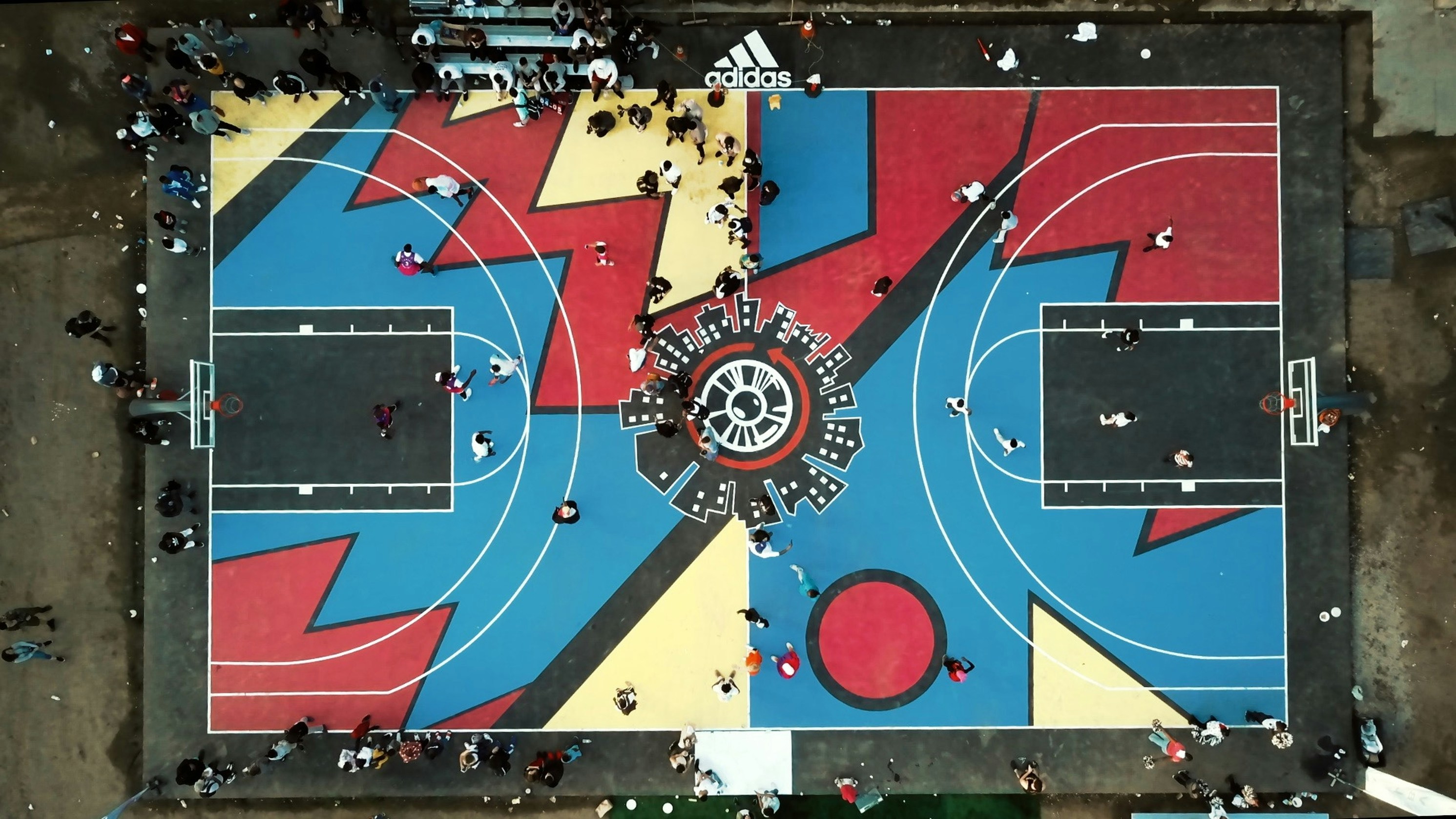
Multi-Sport Courts: From basketball and tennis to volleyball and badminton, EPDM surfaces offer a consistent and comfortable playing experience. The material provides a predictable ball bounce and excellent traction for quick directional changes. Its low-maintenance nature makes it perfect for community centers and multi-purpose recreational facilities.
Splash Pads and Pool Decks: EPDM's resistance to water, chlorine, and other pool chemicals, combined with its non-slip properties, makes it an ideal choice for wet-deck areas. It creates a soft, foot-friendly surface that is much safer than hard concrete or slippery tiles, reducing the risk of accidents in water play environments.
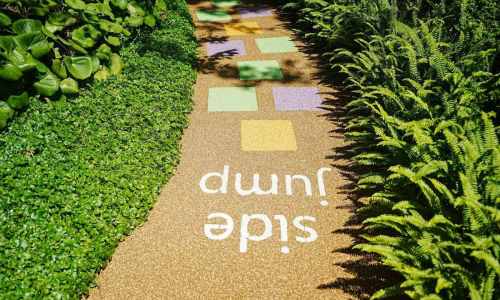
Walkways, Pathways, and Decorative Landscaping: EPDM is increasingly being used for outdoor pathways, garden trails, and even in decorative landscaping. It provides a comfortable, accessible surface for walking and is wheelchair-friendly. Architects and designers can use our innovative color mixing system to create custom color blends that complement the natural surroundings or match a building's architectural style.
Artificial Turf Infill: EPDM granules are also used as a high-quality infill material for synthetic grass fields. Sprinkled between the turf fibers, they enhance the field's flexibility, provide cushioning, and contribute to the longevity of the turf system.
The Advantage of Choosing Superior EPDM Granules for Lasting and Resilient Installations
In every application, the quality of the EPDM granules is paramount. Opting for a superior, high-performance granule over a cheaper, lower-grade alternative provides a distinct set of advantages that translate to long-term value.
- Enhanced Longevity and Lower Lifecycle Cost: While premium EPDM granules may have a higher initial cost, they are far more cost-effective in the long run. Their superior resistance to UV degradation, weathering, and wear means the surface lasts longer and requires fewer repairs, significantly lowering the total cost of ownership.
- Guaranteed Safety and Compliance: High-quality granules ensure that the surface will meet and maintain critical safety standards, like EN 1177 for impact attenuation. This provides peace of mind and reduces liability for facility owners.
- Superior Aesthetic and Color Retention: Premium granules use higher-quality pigments and advanced UV stabilizers. This means the vibrant blues, greens, and reds you designed will stay true for years, resisting the fading and "chalking" that can plague lower-quality surfaces.
- Consistent Performance: Athletes and children alike benefit from a surface that performs consistently. Top-tier granules provide uniform elasticity and grip across the entire area, ensuring a reliable and safe experience for every user.
- Supplier and Manufacturer Credibility: Choosing a product from a reputable manufacturer not only guarantees a better granule but also provides access to expertise, technical support, and a reliable warranty. At our company, we stand by the quality of our materials, a commitment you can learn more about on our About Us page.
Investing in superior EPDM granules is not just an expenditure; it is a strategic decision that prioritizes safety, performance, aesthetics, and long-term financial sensibility.
Making the Right Choice: Ensuring Quality and Safety with Your EPDM Granules Selection
With the growing popularity of EPDM surfaces, the market is filled with options that vary dramatically in quality. Making an informed choice is crucial, as the decision you make will directly affect the installation's safety, longevity, and appearance for years to come. Knowing what to look for and understanding the value of a quality investment are the keys to a successful project.
What to Look For: Key Indicators of High-Quality EPDM Rubber Granules
Not all EPDM is created equal. A low-quality batch can lead to a surface that fades quickly, cracks prematurely, or fails to meet safety standards. When sourcing or specifying EPDM granules, use this checklist to identify a premium product:
1. High Polymer (EPDM) Content:
- This is the most critical factor. The actual EPDM polymer is the most expensive ingredient and is responsible for the material's elasticity and durability. Cheaper granules often contain a higher percentage of inexpensive fillers like calcium carbonate, which reduces performance. Always ask for the polymer content percentage; a higher number indicates better quality.
2. Tensile Strength and Elongation at Break:
- As discussed, high tensile strength (e.g., >10 MPa) shows the granule's resistance to tearing. Equally important is elongation at break, which measures how much the material can stretch before snapping. A good balance of both ensures a surface that is both strong and flexible.
3. Granule Uniformity and Low Dust Content:
- High-quality granules should be clean-cut with a consistent size (e.g., 1-3mm or 0.5-1.5mm). Irregular sizes can lead to an uneven finish and inconsistent porosity. Additionally, a "low dust" product is easier for installers to mix and trowel, leading to a stronger bond with the polyurethane binder.
4. Color Consistency and UV Stability:
- Ask for color samples and inspect them under natural light. A premium product will have uniform color throughout the entire batch. Inquire about the quality of the pigments and UV stabilizers used, as this will determine the surface's resistance to fading. Be aware that some bright colors, like certain yellows and light blues, may be more susceptible to UV effects even in high-quality formulations.
5. Reputable Supplier and Certifications:
- Choose a supplier with a proven track record and transparent technical data sheets. Look for products that meet international standards and certifications, such as ISO for quality management or compliance with safety standards like ASTM F1292 (for fall height) and EN 1177. Strong, moisture-proof packaging is also a sign of a professional operation that protects the material's integrity until installation.
Below is a table summarizing what to prioritize when making your selection:
| Quality Indicator | What to Look For | Why It Matters |
|---|---|---|
| Polymer Content | High percentage of EPDM rubber vs. fillers. | Determines elasticity, durability, and overall performance. |
| Physical Properties | High tensile strength and elongation values. | Ensures the surface resists tearing and cracking under stress. |
| Granule Quality | Uniform size, clean cut, and low dust. | Leads to a smoother installation and stronger binder adhesion. |
| Color Quality | Consistent color throughout the batch; high-grade UV stabilizers. | Guarantees long-lasting vibrancy and prevents premature fading. |
| Supplier Trust | Certifications (ISO, ASTM), transparent data, good packaging. | Provides assurance of quality, safety, and reliability. |
Investing in Durable EPDM Rubber Granules for Long-Term Value and Performance
It can be tempting to choose a less expensive EPDM granule to reduce upfront project costs. However, this is almost always a false economy. The real cost of a surface is not its purchase price but its total cost of ownership over its entire lifecycle.
- Upfront Cost vs. Total Cost of Ownership (TCO): A low-cost granule may save you money on day one, but it will likely lead to higher expenses down the road. Surfaces made with inferior granules are prone to premature aging, which can manifest as:
- Color Fading: The surface loses its aesthetic appeal quickly.
- Cracking and Shrinking: This creates trip hazards and allows water to penetrate the base layer, causing further damage.
- Hardening: Loss of elasticity reduces the surface's shock-absorbing properties, compromising safety.
- Maintenance and Repair Costs: These issues necessitate frequent and costly repairs. Patching a cracked surface is a temporary fix, and a full replacement may be required much sooner than anticipated, effectively doubling the project cost. In contrast, a high-quality installation requires minimal maintenance—typically just routine cleaning—and will perform reliably for a decade or more.
- Safety and Liability: A deteriorating surface is an unsafe surface. Investing in durable, high-tensile-strength EPDM that maintains its integrity is a direct investment in the safety of its users and a reduction in potential liability for the owner.
Ultimately, choosing high-quality EPDM rubber granules is a strategic investment in durability, safety, and long-term value. It ensures that the vibrant, resilient, and safe surface you envisioned is the one that will be enjoyed for many years to come.
Frequently Asked Questions (FAQ)
1. What is the typical lifespan of a poured-in-place EPDM surface? A professionally installed EPDM surface using high-quality materials can last for 10 to 15 years, or even longer, with proper maintenance. The lifespan is influenced by factors such as the quality of the granules and binder, the intensity of use, climate conditions, and the quality of the initial installation.
2. Are EPDM rubber granules toxic or unsafe? High-quality, virgin EPDM granules manufactured by reputable companies are non-toxic and safe for their intended applications, including playgrounds for children. They are specifically engineered to be a safe material for public and recreational spaces. Always ensure your supplier provides safety data sheets and compliance certifications.
3. How is an EPDM surface installed? Installation is typically a two-layer process. First, a base layer made of recycled SBR (Styrene Butadiene Rubber) is installed to provide shock absorption. Then, the EPDM granules are mixed on-site with a polyurethane (PU) binder and troweled over the base layer to create the seamless, colored wear layer. The entire system cures to form a single, unified surface. The process requires a clean, stable substrate like concrete or compacted asphalt.
4. Can an EPDM surface be repaired? Yes, repairs are possible. Small cracks or damaged areas can be patched. The damaged section is cut out, and a new mixture of EPDM granules and binder is applied. However, achieving a perfectly seamless color match can be challenging, especially on older surfaces that have been exposed to the elements. This is another reason why investing in high-quality, durable EPDM from the start is beneficial, as it minimizes the need for such repairs.
5. How do you clean and maintain an EPDM surface? EPDM surfaces are known for being low-maintenance. Routine maintenance typically involves blowing or sweeping away leaves and debris. For more thorough cleaning, the surface can be hosed down or power-washed with low pressure. Stains can usually be cleaned with water and a mild detergent. Regular inspection for any damage is also recommended.
6. What is the main difference between EPDM and recycled SBR rubber? The primary difference is their origin and typical use in a surfacing system. EPDM is a virgin synthetic rubber engineered for durability, colorfastness, and UV resistance, making it ideal for the top, visible wear layer. SBR is typically black and sourced from recycled tires. While it lacks the color stability and UV resistance of EPDM, its excellent shock-absorbing properties and lower cost make it the perfect material for the hidden base (cushion) layer in a two-layer poured-in-place system.
Conclusion
In summary, understanding the definition, properties, and diverse applications of EPDM rubber granules is key to appreciating their role in creating safer, more durable, and vibrant spaces for everyone. We've explored how these remarkable synthetic granules move beyond being a simple component to become the foundation of high-performance surfaces. From their specific chemical makeup, which grants them superior resistance to weather and UV degradation, to the critical importance of properties like tensile strength, EPDM is a material engineered for excellence.
I hope this exploration has shed light on why choosing high-quality EPDM granules is a critical investment in the longevity and safety of our recreational and sports surfaces. It is a decision that impacts not only the initial aesthetic and upfront cost but the entire lifecycle of a project, influencing maintenance needs, user safety, and long-term value. By prioritizing quality over cost and partnering with knowledgeable experts, we can continue to build environments that are not only beautiful and engaging but also resilient and safe for generations to come. We encourage you to share this article and join the conversation about building better spaces with better materials.