

A Comprehensive Guide to EPDM Rubber Granules: Key Specifications and Performance Properties.
We're diving into the fascinating world of EPDM rubber granules, a material making a significant impact on safety, recreation, and durability across various applications. In this comprehensive guide, we'll explore its key EPDM specifications and impressive performance properties. Our goal is to provide a clear understanding of EPDM rubber granules, focusing on the technical parameters and exceptional rubber granules properties that position EPDM as a superior choice for creating resilient, safe, and long-lasting surfaces.
Key Takeaways
What EPDM Is: EPDM, or Ethylene Propylene Diene Monomer, is a high-performance synthetic rubber engineered for superior durability and resilience. It's created from ethylene, propylene, and a diene monomer, which results in a chemically stable, saturated polymer backbone that gives it exceptional resistance to environmental stressors. Unlike recycled rubber, high-quality EPDM is made from virgin materials, ensuring consistent quality, color vibrancy, and performance. Its core composition can be finely tuned, but it generally includes the EPDM polymer which acts as the matrix, fillers like calcium carbonate to optimize weight and adhesion, processing oils, and high-quality pigments for color.
Core Properties & Benefits: The primary advantages of EPDM granules are exceptional resistance to UV radiation, ozone, and extreme weather, ensuring surfaces do not crack, fade, or degrade over years of outdoor use. This material offers superior elasticity and shock absorption, which is critical for playground safety surfacing to reduce fall-related injuries and for athletic tracks to minimize joint stress. Furthermore, its non-slip properties, even when wet, enhance safety on pool decks and splash pads. The low-maintenance nature of EPDM surfaces, requiring only simple cleaning, translates into significant long-term cost savings.
Major Applications: EPDM granules are most famously used for playground safety surfaces, where they are installed as a poured-in-place system to create a seamless, cushioned area that meets critical fall height standards. They are also the material of choice for professional and recreational running tracks, offering the perfect blend of energy return and shock absorption for athletes. Other common applications include multi-sport courts, splash pads and pool decks, walkways, and even as infill for artificial turf. Its versatility extends into industrial uses like roofing membranes, automotive seals, and gaskets due to its excellent weatherproofing capabilities.
Quality and Specifications: The quality of an EPDM granule is determined by its technical specifications. Key metrics include tensile strength, which dictates its resistance to tearing and wear; hardness (measured in Shore A), which affects comfort and impact absorption; and polymer content, where a higher percentage generally indicates better durability. High-quality EPDM granules demonstrate superior colorfastness, granule uniformity, and long-term performance. Investing in premium EPDM ensures compliance with safety standards like ASTM and EN 1177, guarantees a longer lifespan, and provides a better return on investment through reduced maintenance and replacement costs.
Unpacking EPDM Rubber Granules: Essential Properties and Technical Parameters for Informed Choices
What Exactly Are EPDM Granules and Their Core Applications?
EPDM (Ethylene Propylene Diene Monomer) rubber is a high-density synthetic elastomer known for its exceptional durability and versatility. It is composed of ethylene, propylene, and a small amount of a diene comonomer, which allows it to be crosslinked or vulcanized. This molecular structure, featuring a saturated polymer backbone, gives EPDM its signature resistance to heat, light, and ozone. EPDM granules are small, uniformly sized particles manufactured from virgin EPDM rubber. Unlike recycled rubber from tires, virgin EPDM provides consistent quality, superior color stability, and freedom from contaminants.
The manufacturing process involves compounding the base EPDM polymer with other ingredients, including fillers like calcium carbonate, processing aids such as oils, high-quality pigments for color, and UV stabilizers. This mixture is then vulcanized (cured) at high temperatures and precisely ground into granules of specific sizes. This controlled process ensures that each granule has uniform properties, which is crucial for creating high-performance surfaces.
Thanks to their unique combination of safety, durability, and aesthetic flexibility, EPDM granules are utilized in a wide array of applications:
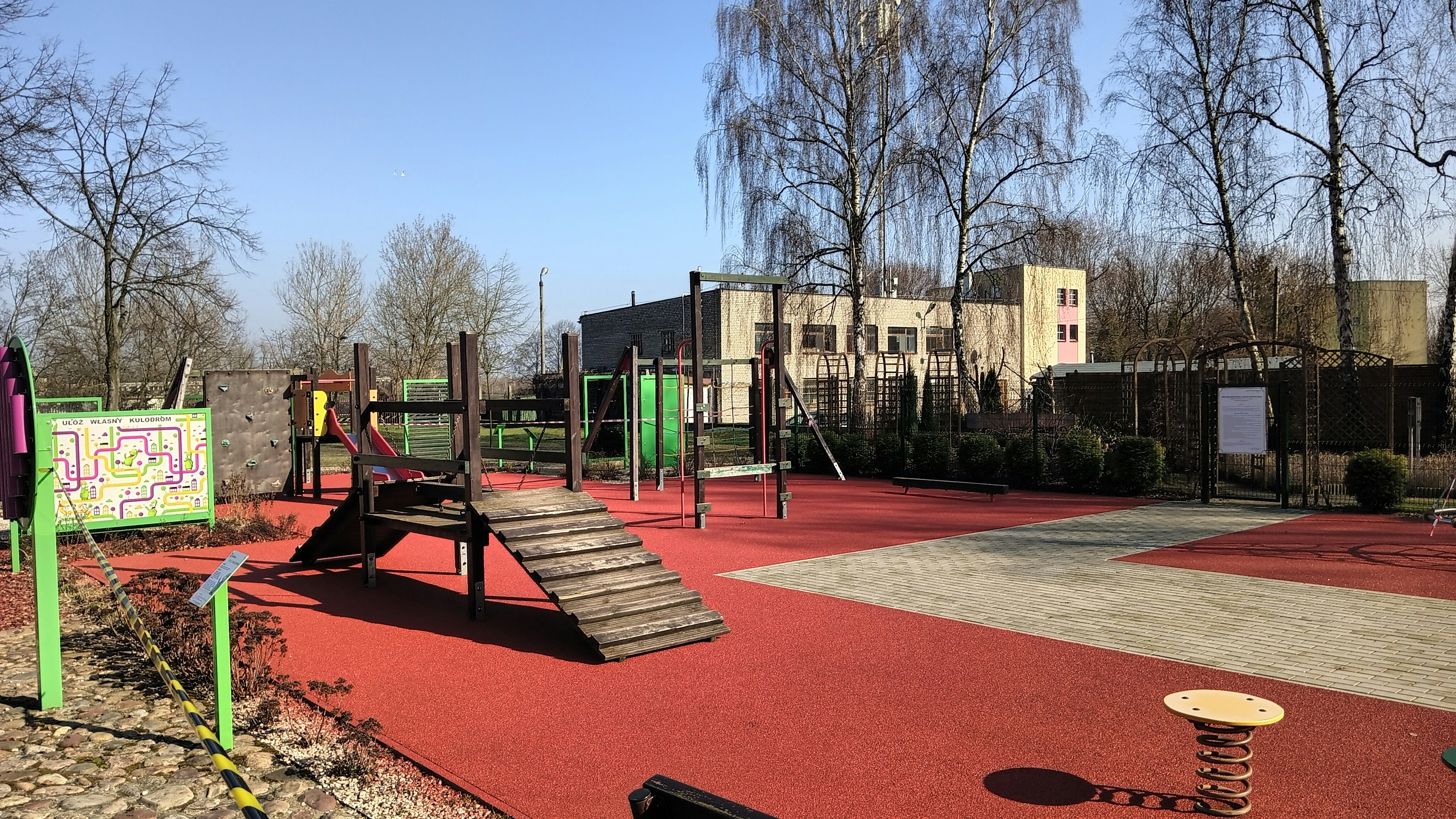
- Playground Safety Surfacing: This is the most recognized application. EPDM granules are mixed with a polyurethane binder and poured in place to create a seamless, cushioned surface. This surface is designed to absorb impact and reduce the risk of critical injuries from falls, meeting stringent safety standards.
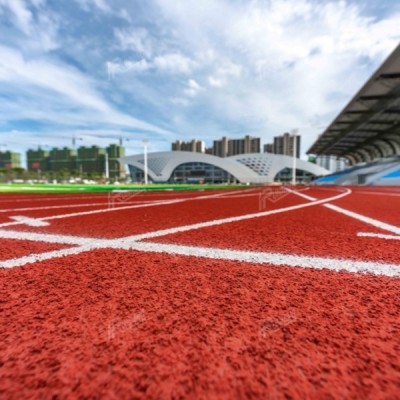
- Athletic and Running Tracks: EPDM is the preferred material for the top layer of many professional and recreational running tracks. It provides an optimal balance of shock absorption, reducing stress on athletes' joints, and energy return for peak performance. The surface offers consistent grip in both wet and dry conditions.
- Multi-Sport Courts: For sports like basketball, tennis, and volleyball, EPDM surfaces offer a comfortable and consistent playing experience with excellent traction. The ability to use different colors allows for clear, permanent line markings for various sports.
- Splash Pads and Pool Decks: EPDM's excellent resistance to water, chlorine, and other chemicals, combined with its non-slip properties, makes it an ideal choice for wet recreational areas.
- Walkways and Decorative Landscaping: The granules can be used to create durable, comfortable, and aesthetically pleasing pathways in parks, gardens, and residential communities.
- Artificial Turf Infill: EPDM granules serve as a high-quality infill material for synthetic turf fields, providing cushioning, enhancing the field's flexibility, and supporting the turf fibers.
- Industrial and Automotive Applications: Beyond surfacing, the base EPDM material is used for industrial hoses, roofing membranes, electrical insulation, and automotive seals and gaskets due to its robust resistance to weather and chemicals.
Why EPDM Reigns Supreme: Balancing Safety, Aesthetics, and Performance Properties
When it comes to surfacing materials, especially for recreational and athletic environments, designers and facility managers are often faced with a choice between various options. However, EPDM (Ethylene Propylene Diene Monomer) rubber granules consistently emerge as the superior choice due to their unparalleled ability to balance three critical pillars: safety, aesthetics, and long-term performance.
1. Unmatched Safety and Shock Absorption: The primary function of many surfacing projects, such as playgrounds and running tracks, is to protect users. EPDM excels in this domain. Its inherent elasticity provides outstanding shock absorption, which is critical for cushioning falls and minimizing the risk of injury. Poured-in-place EPDM surfaces can be engineered to meet specific critical fall height requirements, ensuring compliance with safety standards like those from the CPSC and ASTM. The seamless, non-slip texture of EPDM surfaces also reduces the risk of trips and falls, even in wet conditions, a feature that is essential for pool decks and splash pads.
2. Limitless Aesthetic and Design Flexibility: Unlike dull, uniform materials, EPDM granules open up a world of creative possibilities. Since they are manufactured from virgin rubber, they can be pigmented to a wide spectrum of brilliant, stable colors. This allows architects and designers to move beyond purely functional surfaces and create visually stunning environments. Intricate patterns, custom logos, and vibrant color combinations can be seamlessly integrated into the surface design. This aesthetic flexibility makes it possible to create themed playgrounds, professional-looking sports courts with permanent markings, and inviting recreational spaces that enhance their surroundings.
3. Superior Long-Term Performance and Durability: The chemical structure of EPDM rubber makes it exceptionally durable and resistant to environmental degradation. Its saturated polymer backbone provides outstanding resistance to UV radiation, ozone, extreme temperatures, and moisture. This means that EPDM surfaces will not crack, crumble, or fade significantly over time, even in harsh outdoor climates. This durability translates into a longer lifespan and significantly lower maintenance costs compared to materials like wood chips, sand, or even lower-grade rubbers that require frequent replenishment or repair. EPDM’s resistance to chemicals also ensures it can be cleaned and disinfected without deteriorating, maintaining a hygienic surface for years.
This unique trifecta of benefits—certified safety, creative freedom, and proven longevity—is why EPDM is not just another option, but the gold standard for high-performance surfacing.
Our Core Values in EPDM Manufacturing: Safety, Durability, and Sustainability
In the manufacturing of EPDM granules, our philosophy is guided by three core values that we believe are non-negotiable: uncompromising safety, exceptional durability, and a firm commitment to sustainability. These principles are at the heart of our production process, ensuring that we deliver a product that not only meets but exceeds the expectations of our clients and protects the end-users and our planet.
Safety as a Foundation: For us, safety is the paramount concern. Our EPDM granules are purpose-built for applications where protecting individuals, especially children, is the top priority. We use only virgin polymers and non-toxic components, ensuring our products are free from harmful substances like heavy metals and phthalates. Every batch of our granules is engineered to provide an optimal level of shock absorption, creating surfaces that significantly reduce the risk of fall-related injuries. We adhere to and often surpass stringent international safety standards, including ASTM (American Society for Testing and Materials) and EN (European Norms), to guarantee that our surfaces provide reliable protection year after year.
Durability for Lasting Value: We believe in creating products that are built to last. Durability is not just about withstanding wear and tear; it's about delivering long-term value and a strong return on investment. Our EPDM granules are formulated for maximum resilience against the harshest conditions. By using advanced UV stabilizers and high-quality pigments, we ensure exceptional colorfastness and resistance to degradation from sunlight and ozone. The inherent chemical stability of EPDM means our granules resist cracking in extreme temperatures and withstand heavy, continuous use in high-traffic areas. This focus on durability minimizes the need for repairs and replacements, translating into lower lifecycle costs and a consistently high-performing surface.
Sustainability for a Better Future: We recognize our responsibility to the environment, and sustainability is a key driver in our manufacturing ethos. We are committed to an eco-friendly production process that minimizes waste and energy consumption. While our primary products are made from virgin rubber for performance reasons, we champion a circular economy mindset. Many EPDM products are recyclable at the end of their long life, reducing landfill waste. Furthermore, the longevity of our products means fewer resources are consumed over time for maintenance and replacement. We are continually exploring innovations in materials and processes to further reduce our environmental impact, ensuring that the safe and beautiful spaces created with our granules are also responsible ones.
A Deep Dive into EPDM Specifications: Performance Metrics and Durability Assessment
To truly appreciate the value of EPDM rubber granules, one must look beyond the surface and into the technical specifications that define their quality and performance. These metrics are not just numbers on a data sheet; they are the quantifiable proof of a product's ability to deliver safety, durability, and a long-term return on investment.
Measuring Success: Our Performance Metrics System for EPDM Rubber Granules
Ensuring consistent quality requires a robust system of evaluation. We rely on a comprehensive set of performance metrics, each tied to standardized testing methods, to validate every batch of EPDM granules we produce. This system guarantees that our products meet the stringent requirements for demanding applications. Key performance indicators are rigorously assessed to ensure reliability.
Our quality control process includes:
- Polymer Content Analysis: The percentage of EPDM polymer is a critical factor determining elasticity and longevity. We aim for a high polymer content, typically 20-22% or more by weight, as this ensures superior performance compared to granules with a higher percentage of inexpensive fillers.
- Granule Size and Shape Uniformity: Consistent particle size and shape are essential for proper installation and a uniform surface finish. We use standardized sieve analysis to ensure our granules meet precise size distributions.
- Color Consistency and Fastness: We visually inspect samples under natural light and perform tests like the boiling water test to confirm colorfastness and consistency between batches.
- Compliance with International Standards: Our internal testing is aligned with global benchmarks, including ISO (International Organization for Standardization), ASTM (American Society for Testing and Materials), and EN (European Norms) standards for materials and safety surfacing.
This meticulous approach to measurement and quality control ensures that when you choose our EPDM granules, you are choosing a product that has been tested, verified, and proven to perform.
Understanding Hardness: Detailed Hardness Parameters for Optimal Comfort and Use
Hardness is a critical technical parameter that measures a material's resistance to indentation and deformation. For EPDM rubber granules, hardness directly influences both the comfort and the durability of the final surface. It is typically measured using a durometer and expressed on the Shore A scale, which ranges from 0 (very soft) to 100 (very hard).
The selection of a specific hardness depends on the application:
- Softer Granules (Lower Shore A values, e.g., 40-60 A): These granules provide better cushioning and shock absorption. This makes them ideal for playground surfaces and recreational areas where safety and comfort are primary concerns. A softer surface helps to reduce the impact from falls and minimizes stress on joints.
- Harder Granules (Higher Shore A values, e.g., 70-90 A): These are more resistant to abrasion and wear. This makes them suitable for high-traffic areas like running tracks and sports courts, where durability and maintaining a consistent surface for athletic performance are crucial.
The most common range for EPDM rubber is between 40 and 90 Shore A. A typical, well-balanced EPDM formulation for general use often has a hardness of around 60-70 Shore A, offering a good compromise between flexibility and strength.
The testing process is standardized: a metal indenter on the durometer is pressed into the rubber sample under a specific force, and the depth of the indentation determines the hardness value. This simple but effective test ensures the material meets the exact specifications required for its intended use.
| Property | Test Method | Typical Range for EPDM | Significance |
|---|---|---|---|
| Hardness | ASTM D2240 (Shore A Durometer) | 40 - 90 Shore A | Defines the balance between comfort (softer) and durability (harder). Softer granules (e.g., 60 Shore A) are used for playgrounds, while harder ones (e.g., 70-80 Shore A) are for high-wear areas like tracks. |
| Tensile Strength | ASTM D412 | 7 - 21 MPa | Measures the force required to pull the material apart. Higher tensile strength indicates greater durability and resistance to tearing, crucial for high-traffic zones.. |
| Elongation at Break | ASTM D412 | 300% - 600% | Indicates flexibility by measuring how much the material can stretch before snapping. High elongation is vital for preventing cracking due to surface movements or temperature changes. |
The Crucial Role of Elasticity and Shock Absorption in EPDM Surfaces
Elasticity is the property that allows EPDM rubber to absorb energy and return to its original shape after being compressed or stretched. This characteristic is fundamental to its two most vital functions in surfacing applications: shock absorption and providing a comfortable, responsive surface.
Shock absorption, also known as impact attenuation, is the material's ability to reduce the force of an impact. For playgrounds, this is a life-saving feature. When a child falls, a high-elasticity EPDM surface deforms to absorb the impact energy, extending the deceleration time and drastically reducing the peak force transferred to the body. This is measured by the Head Injury Criterion (HIC) value. A lower HIC value means better protection. Surfaces are tested to determine the Critical Fall Height (CFH)—the maximum height from which a person can fall without sustaining a life-threatening head injury. Poured-in-place EPDM systems are engineered to meet specific CFH standards, like ASTM F1292 and EN 1177, making them one of the safest options available.
For athletic applications, shock absorption protects athletes from repetitive stress injuries. An EPDM track absorbs a percentage of the impact force with each stride, reducing strain on joints like ankles, knees, and hips. The impact absorption rate for EPDM is often between 35-50%. This allows athletes to train longer and more safely. At the same time, the surface's elasticity provides energy return, which helps propel the athlete forward, contributing to better performance.
Built to Last: Abrasion Resistance Test Methods and Ensuring Longevity for EPDM Granules
The longevity of an EPDM granule surface is directly tied to its ability to withstand constant friction and wear. This durability is scientifically measured through abrasion resistance testing. These tests simulate the long-term effects of foot traffic, scuffing, and scraping to predict how a surface will hold up over time.
One of the most common and internationally recognized methods is the Taber Abrasion Test (ASTM D4060). In this procedure, a flat specimen of the material is mounted on a rotating turntable. Two abrasive wheels are lowered onto the specimen under a specific load. As the turntable rotates, the wheels create a pattern of wear. The abrasion resistance is quantified by measuring the weight loss of the material after a set number of cycles (e.g., 1000 cycles). A lower weight loss indicates higher abrasion resistance.
Another widely used method, particularly for elastomers, is the DIN Abrasion Test (ISO 4649 / ASTM D5963). This test involves moving a rubber test piece across an abrasive sheet mounted on a revolving drum under a specified load. The resistance is expressed as the volume loss in cubic millimeters. A smaller volume loss signifies better durability.
High abrasion resistance is crucial for:
- High-Traffic Zones: Areas like the entry/exit points of playgrounds, the finish lines of running tracks, and player positions on sports courts experience concentrated wear.
- Maintaining Aesthetics: Surfaces that resist abrasion are less likely to show scuffs, lose texture, or have their color wear away, preserving the visual appeal of the installation.
- Ensuring Safety: A worn-down surface can become uneven or lose its non-slip properties, creating new hazards.
By selecting EPDM granules that have been proven through standardized abrasion tests, you are investing in a surface that is engineered to maintain its integrity, appearance, and safety features for many years, thus ensuring true longevity and a better return on investment.
Conquering the Elements: EPDM Granules' Weather Resistance and Long-Term Performance Properties
One of the most compelling reasons to choose EPDM for outdoor applications is its extraordinary ability to withstand the relentless assault of the elements. Unlike many other materials that degrade under environmental stress, EPDM is specifically engineered to endure, providing consistent performance and maintaining its aesthetic appeal for decades.
Against the Odds: Comprehensive Weather Resistance Evaluation
EPDM's robust weather resistance stems from its unique chemical makeup. To validate this resilience, EPDM materials undergo a battery of tests that simulate harsh, real-world conditions. These evaluations are critical to confirming that the granules will perform reliably in any climate, from the intense sun of a Texas summer to the freezing temperatures of a Minnesota winter. Comprehensive weather resistance evaluation involves assessing several key properties simultaneously to ensure long-term durability.
Evaluations include:
- Water and Moisture Resistance: EPDM is inherently water-resistant, a property that makes it ideal for roofing and outdoor seals. For surfacing, this means it won't swell or degrade when exposed to rain or humidity. Its formulation ensures it does not pollute run-off rainwater, which is important for environmentally sensitive areas.
- Temperature Stability: EPDM maintains its flexibility and structural integrity across an exceptionally wide temperature range, typically from -40°F to +250°F (-40°C to +121°C). This prevents the material from becoming brittle and cracking in the cold or soft and tacky in the heat.
- Chemical Resistance: EPDM granules are resistant to a variety of common chemicals, including acids, alkalis, and polar solvents. This is crucial for maintaining integrity in environments where spills or cleaning agents are used.
Battling UV Rays and Ozone: Why EPDM Rubber Granules Excel Outdoors
EPDM's superior performance in outdoor settings is largely due to its exceptional resistance to two of the most destructive environmental factors: Ultraviolet (UV) radiation and ozone.
UV Resistance: The sun's UV rays are notorious for breaking down polymers, causing colors to fade and materials to become brittle. EPDM's molecular structure—a saturated polymer backbone—is inherently resistant to this type of degradation. While other rubbers like natural rubber or SBR have vulnerable carbon-carbon double bonds in their main chain that UV radiation can attack, EPDM does not. To further enhance this property, high-quality EPDM granules are formulated with advanced UV stabilizers and durable pigments like titanium dioxide (for white and light colors) or carbon black (for black), which reflects or converts UV rays, preventing them from damaging the polymer matrix. This ensures the surface retains its vibrant color and physical properties for many years of direct sun exposure.
Ozone Resistance: Ozone, a gas present in the atmosphere, is highly reactive and aggressively attacks the double bonds in most common elastomers, leading to a form of degradation known as "ozone cracking" or "dry rot". This is a primary cause of failure for materials like natural rubber and nitrile rubber in outdoor applications. EPDM's saturated backbone lacks these target sites for ozone to attack, making it virtually immune to this type of chemical weathering. This inherent resistance means EPDM seals, gaskets, and surfaces can function for decades without the cracking and deterioration that plague less stable materials.
This combined immunity to UV and ozone damage is what makes EPDM the benchmark material for long-term outdoor durability, from roofing membranes proven to last over 30 years to playground surfaces that remain safe and resilient year after year.

Defying the Test of Time: Aging Resistance and Prolonged Outdoor Lifespan
The true measure of a material's durability is not just how it performs on day one, but how it stands up to years of use. EPDM's aging resistance is exceptional, giving it a prolonged outdoor lifespan that far exceeds most other elastomers. Well-documented case studies of EPDM roofing membranes show service lives of 30, 40, and even over 50 years, with the material remaining flexible and performing as intended. This remarkable longevity is directly attributed to its stable, saturated polymer backbone, which resists the combined forces of heat, light, and oxidation.
To scientifically validate this long-term performance, EPDM undergoes accelerated aging tests. These laboratory procedures simulate the effects of many years of outdoor exposure in a much shorter timeframe.
- Heat Aging Tests (ASTM D573): Samples are exposed to high temperatures (e.g., 116°C to 150°C) for extended periods—sometimes for as long as 365 days. Technicians then measure the retention of key physical properties like tensile strength, elongation at break, and hardness. High retention rates indicate excellent thermal stability and a long service life.
- Weatherometer Testing (ASTM G155 / ISO 4892): This test exposes samples to intense, concentrated cycles of UV light and moisture inside a controlled chamber. This process simulates the damaging effects of sunlight and rain. EPDM consistently demonstrates superior performance in these tests, retaining its color and structural integrity far longer than other rubbers. For instance, EPDM can withstand thousands of hours of accelerated UV exposure with minimal degradation.
The results from these accelerated aging tests provide the scientific data to back up real-world observations. They prove that EPDM is not just resistant to weathering on a short-term basis, but is fundamentally engineered for a service life that can span decades. This makes it an incredibly cost-effective investment, as it drastically reduces the need for frequent replacements and repairs.
Essential Technical Parameters for Enduring Outdoor EPDM Installations
A successful and long-lasting outdoor EPDM installation depends on more than just high-quality granules. The entire system, from the ground up, must be designed and executed with precision. Adhering to key technical parameters and best practices during installation is critical for ensuring the surface can withstand the elements and heavy use over its entire lifespan.
1. Sub-Base Preparation: The foundation is paramount. The sub-base—whether concrete, asphalt, or compacted aggregate—must be stable, level, and properly prepared.
- Drainage: The sub-base must be graded correctly to allow for adequate water drainage, preventing water from pooling under or on the surface. A porous EPDM system relies on a well-draining base to function correctly.
- Cleanliness: The surface must be clean, dry, and free of dirt, oils, or loose debris that could interfere with the adhesion of the binder.
- Smoothness: Holes or cracks wider than ¼ inch should be filled with non-shrink grout to create a smooth, even surface.
2. Binder Selection and Application: The polyurethane binder is the "glue" that holds the EPDM granules together.
- Aliphatic vs. Aromatic Binders: For outdoor use, an aliphatic binder is strongly recommended for the top layer. Aliphatic binders are UV stable and do not yellow or "amber" over time, ensuring the original EPDM colors remain vibrant. Aromatic binders are less expensive but will yellow with UV exposure, altering the appearance of the surface.
- Mixing Ratios: Adhering to the manufacturer's specified mixing ratio of binder to granules is crucial for achieving the correct strength, flexibility, and porosity.
3. Installation Technique:
- Thickness Control: The thickness of the EPDM layer must be consistent across the entire surface and meet the specifications for the intended application (e.g., critical fall height for a playground).
- Troweling and Compaction: Skilled technicians must trowel the mixture evenly and apply consistent pressure to ensure a seamless finish and proper compaction. This eliminates weak spots and ensures uniform density.
- Seam and Edge Work: Special attention must be paid to seams, edges, and penetrations (like posts or drains). These areas must be properly sealed to prevent water ingress and edge failure.
By adhering to these technical parameters—a stable and well-draining sub-base, the correct type and amount of binder, and professional installation techniques—facility owners can ensure their EPDM surface is truly built to conquer the elements and provide decades of reliable performance.
Real-World Applications Showcasing Robust EPDM Specifications and Durability
The theoretical benefits and technical specifications of EPDM granules come to life in countless successful projects around the world. These real-world applications serve as powerful testaments to the material's durability, safety, and long-term performance. From bustling urban playgrounds to elite athletic facilities, EPDM has proven its worth time and again.
Case Study: Public Playground Resurfacing Many municipalities and school districts are replacing outdated playground surfaces like wood chips or sand with poured-in-place EPDM systems. For example, numerous projects across the U.S. highlight the transformation. A school in Dover, MA, or a community park in Danville, IL, might replace worn-out surfaces with a new, vibrant EPDM floor.
- Challenge: The existing surfaces were high-maintenance, created accessibility issues for children with disabilities, and offered inconsistent fall protection.
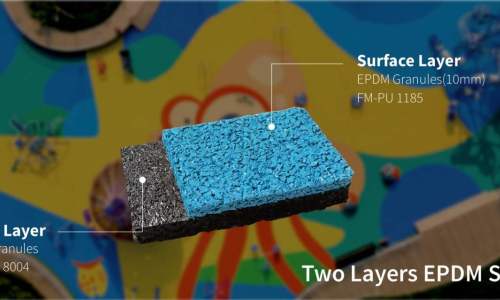
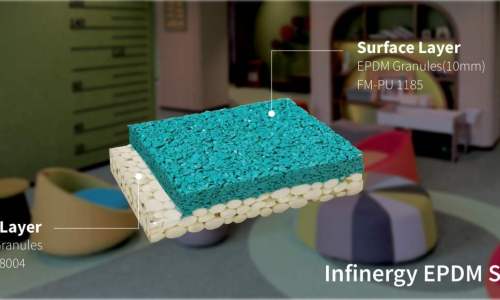
- Solution: A dual-layer system was installed. A base layer of SBR (styrene-butadiene rubber) buffings provided the primary shock absorption needed to meet critical fall height regulations. This was then topped with a colorful, themed layer of EPDM granules mixed with a UV-stable aliphatic binder.
- Outcome: The new surface is ADA-compliant, requires minimal maintenance, and provides certified safety against fall injuries. The vibrant, custom "train track" design incorporated into the surface created an engaging play environment that will retain its color and integrity for over a decade.
Case Study: University and Professional Athletic Tracks High-level athletic programs, such as those at Wilmington College or the University of Nebraska, require running surfaces that meet stringent performance standards for competition and training.
- Challenge: The facility needed a track that offered a perfect balance of shock absorption to reduce athlete injury and energy return for optimal performance, while also withstanding heavy daily use and all weather conditions.
- Solution: A multi-layered polymeric system was installed, culminating in a top wear layer composed of high-grade EPDM granules broadcast into a pigmented polyurethane resin. This "full PU" or "sandwich system" is certified by bodies like World Athletics (formerly IAAF).
- Outcome: The resulting track provides consistent, world-class performance for athletes. Its robust EPDM surface resists spike wear, retains its friction coefficient in wet or dry conditions, and will not degrade under UV exposure. Facilities like Bryanston School have even integrated force plates directly into their EPDM tracks to analyze athlete biomechanics, showcasing the surface's reliability and versatility.
These examples, from local parks to international sporting venues, demonstrate that when EPDM systems are specified and installed correctly, they deliver on their promise of unparalleled durability, safety, and long-term value.
The Strategic Investment: Cost-Effectiveness and Certification Standards for EPDM Rubber Granules
Choosing the right material for a major surfacing project is a significant decision that involves balancing upfront costs, long-term value, and guaranteed safety. EPDM rubber granules represent a strategic investment. While the initial outlay may be higher than some alternatives, a comprehensive analysis reveals its superior cost-effectiveness over the life of the project. Furthermore, adherence to stringent international certification standards provides the necessary assurance of quality and performance.
The True Cost of Quality: Analyzing Initial vs. Long-Term Expenses of EPDM Granules
A common mistake in project planning is focusing solely on the initial purchase price. A true cost analysis must consider the total cost of ownership over the product's entire lifecycle. While EPDM may have a higher upfront cost—typically ranging from $4.50 to $7.50 per square foot installed for surfacing—it proves to be far more economical in the long run compared to other options.
Here’s a comparative breakdown:
Initial Cost:
- EPDM: Represents a moderate to high initial investment. For example, a standard playground project might cost between $12 to $25 per square foot.
- Wood Chips/Sand: Very low initial cost.
- PVC/TPO Membranes: Can have similar or slightly lower initial costs than EPDM systems.
- Modified Bitumen: Often has a lower initial installation cost.
Long-Term Expenses (Maintenance & Replacement):
- EPDM: EPDM surfaces are known for their minimal maintenance needs, typically requiring only routine cleaning. Their exceptional durability means lifespans can exceed 10-15 years for surfacing and even 30-50 years for roofing applications, drastically reducing replacement frequency. The long-term maintenance costs are very low.
- Wood Chips/Sand: Require frequent replenishment to maintain safe depths, harbor bacteria and pests, and can be kicked out of place, leading to high ongoing labor and material costs.
- PVC/TPO Membranes: Generally have shorter lifespans (15-25 years), leading to more frequent and costly full replacements over time.
- Modified Bitumen/Built-up Roofing (BUR): These systems require more frequent maintenance, such as recoating every 5-10 years, which adds up to significant long-term expenses.
The analysis clearly shows that EPDM's longevity and low maintenance requirements offset its higher initial cost, delivering a superior return on investment and a lower total cost of ownership. It is an investment in a hassle-free, long-lasting, and reliable surface.
Meeting Global Benchmarks: Our Certification Standards Comparison for EPDM Technical Parameters
To ensure that EPDM granules are safe, reliable, and of high quality, manufacturers must adhere to a range of internationally recognized certification standards. These benchmarks provide third-party validation of a product's technical parameters and its fitness for purpose, especially in applications where safety is paramount. Choosing a supplier whose products are certified is a critical step in risk management and quality assurance.
Key global standards for EPDM granules and surfacing systems include:
- ISO 9001: Quality Management Systems: This certification demonstrates a manufacturer's commitment to consistent production processes, quality control, and customer satisfaction. It ensures that every batch of granules is produced under a documented and audited system, leading to reliable and uniform products.
- EN 1177 (Europe): Impact Attenuating Playground Surfacing: This is a crucial European standard that specifies the test method for determining the shock absorption of a playground surface. It establishes the "Critical Fall Height" (CFH), which is the maximum fall height for which a surface provides an acceptable level of impact attenuation to prevent a life-threatening head injury. Compliance is mandatory for public playgrounds in Europe.
- ASTM F1292 (USA): Standard Specification for Impact Attenuation of Surfacing Materials: This is the American equivalent of EN 1177. It outlines the performance requirements and test methods for playground surfacing materials to ensure they provide adequate protection against fall-related head injuries.
- ASTM D2000: Standard Classification System for Rubber Products: This standard provides a detailed system for classifying rubber materials based on their properties, such as temperature resistance and compatibility with petroleum fluids. It helps engineers specify the precise type of EPDM required for a given application.
- EN 71-3: Safety of Toys - Migration of Certain Elements: This standard tests for the presence and migration of harmful substances like heavy metals. For EPDM granules used in children's playgrounds, compliance with EN 71-3 ensures the material is non-toxic and safe for children to be around.
By ensuring our EPDM granules are tested and certified against these global benchmarks, we provide our clients with the peace of mind that they are purchasing a product that is not only high-performing but also verifiably safe and of consistent quality.
Making the Right Choice: Selecting EPDM Granules Based on Your Project's Specific Technical Parameters and Needs
Choosing the perfect EPDM granules for your project goes beyond just picking a color. A thoughtful selection process based on the specific demands of the application will ensure optimal performance, durability, and safety. Here’s a guide to help you make an informed decision by considering key technical parameters.
1. Define Your Application and Environment: First, clearly identify the project's primary function.
- Playgrounds: The top priority is safety. This requires granules with excellent shock absorption (softer hardness, e.g., 60 Shore A) and a system thickness designed to meet the required Critical Fall Height (CFH). Bright, UV-stable colors are also important.
- Running Tracks: Performance is key. This calls for firmer granules for good energy return, combined with high tensile strength and abrasion resistance to withstand spike wear.
- Decorative Walkways or Pool Decks: Aesthetics and slip resistance are paramount. Consider color blends and a granule size that provides a comfortable, non-slip texture.
2. Select the Appropriate Granule Size: The size of the granules affects texture, drainage, and binder consumption.
- Fine Granules (e.g., 0.5-1.5mm): Create a smoother, more refined finish. They are ideal for intricate designs, logos, and indoor surfaces where a less textured feel is desired.
- Medium Granules (e.g., 1-4mm): This is the most versatile and common range, offering a great balance of texture, durability, and drainage. It's the standard choice for general playground and multi-sport court applications.
- Coarse Granules (e.g., 4-8mm): Provide maximum porosity and drainage, making them suitable for base layers or in areas with very heavy rainfall.
3. Consider Color and UV Stability: Color is not just for aesthetics; it can impact long-term appearance.
- Bright Colors: Vibrant colors like yellow and light blue can be more susceptible to UV degradation over time. If using these colors in a high-sun environment, ensure the granules are from a premium supplier with advanced UV stabilizers.
- Darker Colors & Earth Tones: Colors like dark green, blue, terracotta, and beige are generally more UV-stable and maintain their appearance well over many years.
- Color Blends: Mixing colors can create unique visual effects and help mask minor soiling or wear over time. Always request physical samples to approve colors under natural daylight.
4. Verify Quality and Composition: Never hesitate to ask for technical data sheets.
- Polymer Content: For high-performance applications, look for a virgin EPDM polymer content of at least 20-22%. Lower quality granules often contain higher levels of filler (like calcium carbonate), which compromises elasticity and durability.
- Certifications: Ensure the supplier can provide proof of compliance with key standards relevant to your project, such as ISO 9001, EN 1177, or ASTM F1292.
By systematically working through these considerations, you can confidently select the EPDM granules that are perfectly tailored to your project’s technical needs and long-term goals.
Frequently Asked Questions (FAQ)
1. What is the typical lifespan of a poured-in-place EPDM surface? A professionally installed EPDM surface using high-quality materials can last for 10 to 15 years in high-traffic applications like playgrounds and sports courts. Some EPDM applications, particularly in roofing, have a proven service life of over 30 years and can potentially last for more than 50 years. The exact lifespan depends on the quality of the raw materials, the intensity of use, climate conditions, and the quality of the installation.
2. Are EPDM rubber granules toxic or safe for children? High-quality, virgin EPDM granules from reputable manufacturers are non-toxic and specifically designed to be safe for children's play areas. They are tested to meet stringent safety standards like EN 71-3, which checks for the migration of harmful elements and is the same standard used for children's toys. It's crucial to choose suppliers who can provide these certifications to ensure the material is free from heavy metals, phthalates, and other harmful substances.
3. How does an EPDM surface handle water and rain? Poured-in-place EPDM surfaces are porous by design. This allows water to drain rapidly through the surface and into the sub-base below, preventing puddles from forming. This feature makes EPDM an excellent choice for outdoor playgrounds, splash pads, and pool decks, as it provides a slip-resistant surface that dries quickly and can be used shortly after rainfall. Proper sub-base preparation with adequate drainage is essential for the system to function effectively.
4. Can an EPDM surface be repaired? Yes, one of the advantages of EPDM surfaces is that they are repairable. Minor damages like small cuts, tears, or localized wear can often be spot-repaired. The process involves cutting out the damaged section and filling it with a new mixture of EPDM granules and binder, matched to the original color. This extends the usable life of the surface and is much more cost-effective than a complete replacement.
5. What is the difference between EPDM and SBR rubber? EPDM (Ethylene Propylene Diene Monomer) is a synthetic virgin rubber, meaning it's a new product manufactured specifically for its application. It offers superior UV resistance, color stability, and overall durability. SBR (Styrene-Butadiene Rubber) is typically recycled rubber, most often from ground-up vehicle tires. SBR is almost always black and is commonly used as the cost-effective base layer in poured-in-place systems to provide shock absorption. EPDM is used as the top "wear layer" because of its vibrant color options and much greater resistance to weathering and UV degradation.
6. How do you maintain an EPDM granule surface? EPDM surfaces are known for their low maintenance requirements. Routine care typically involves:
- Regular Cleaning: Sweeping or using a leaf blower to remove loose debris like leaves, dirt, and sand.
- Washing: For more thorough cleaning, the surface can be washed with water and a mild detergent. A pressure washer on a low-to-medium setting can also be used.
- Inspections: Periodically inspecting the surface for any signs of damage, wear, or lifting at the edges. Addressing small issues early can prevent more significant problems later.
I trust this guide has offered you a clearer understanding of EPDM rubber granules, from their robust specifications to their long-lasting performance properties. We've seen why they stand out in various applications requiring resilience and safety. With a firm grasp of the technical parameters and performance indicators discussed, you are now better equipped to specify and select the right materials for your projects, ensuring a successful outcome that balances safety, aesthetics, and long-term value.
Ultimately, with EPDM, we observe a perfect blend of safety, environmental responsibility, durability, and cost-effectiveness. This makes it an invaluable material for creating resilient, enjoyable, and sustainable spaces that meet stringent technical parameters. We encourage you to share this comprehensive guide with colleagues and stakeholders involved in designing and managing public and private spaces. By advocating for high-quality materials, we can collectively contribute to building safer and more durable environments for everyone to enjoy. Please feel free to leave comments or questions below to continue the conversation.