

What Are EPDM Rubber Granules: A Buyer's Guide to Quality, Safety, and Standards
When it comes to creating safe, durable, and aesthetically pleasing surfaces, the materials you choose matter. For playgrounds, athletic tracks, pool decks, and walkways, EPDM (Ethylene Propylene Diene Monomer) rubber granules have become the gold standard. These small, resilient particles are prized for their weather resistance, vibrant colors, and unparalleled safety features. However, not all EPDM granules are created equal. This comprehensive buyer's guide is designed to help you navigate the complexities of selecting high-quality materials that ensure optimal safety, lasting durability, and compliance with all relevant industry standards.
Whether you're a contractor, architect, or facility manager, making an informed decision is crucial to the success and longevity of your project. We'll explore everything from the fundamental properties of EPDM to the nuances of selecting a reputable distributor, ensuring your investment results in a surface that is not only visually appealing but also fundamentally safe and built to last.
Key Takeaways
- Understanding the Material: EPDM stands for Ethylene Propylene Diene Monomer, a synthetic rubber known for exceptional durability, weather resistance, and flexibility. It is the premium choice for the top layer of poured-in-place safety surfacing.
- Quality is Paramount: The quality of EPDM granules is determined by factors like polymer content, granule size consistency, color stability, and purity. High-quality granules with a high polymer content and uniform size lead to a more durable and aesthetically pleasing surface.
- Safety and Compliance: For playground applications, EPDM surfaces must meet critical fall height (CFH) requirements as specified by standards like ASTM F1292. The thickness of the rubber layers is engineered to absorb impact and reduce the risk of injury.
- Supplier Selection: Choosing a reputable distributor is as important as choosing the right material. Look for suppliers with transparent quality assurance measures, third-party testing certifications (e.g., SGS, Intertek), and positive customer reviews.
- Installation and Maintenance: Proper installation—including substrate preparation and using the correct binder-to-granule ratio—is critical for performance. Routine maintenance, such as regular cleaning and inspections, will significantly extend the life of the EPDM surface and keep it looking its best.
Understanding EPDM Rubber Granules: Your Initial EPDM Distributor FAQ and Beginner's Insights
Before diving into the procurement process, it's essential to grasp the fundamentals of what EPDM rubber granules are, how they differ from other materials, and the core advantages they bring to modern surfacing solutions. This foundational knowledge will empower you to ask the right questions and make smarter decisions.
What Are EPDM Rubber Granules?
EPDM rubber granules are small, manufactured particles of synthetic rubber specifically engineered for high-performance surfacing. The acronym EPDM stands for Ethylene Propylene Diene Monomer, which describes the chemical composition of this robust material. It is a type of synthetic elastomer created from ethylene, propylene, and a small amount of a diene comonomer. This specific molecular structure is what gives EPDM its exceptional resistance to weathering, ozone, UV radiation, and extreme temperatures, making it an ideal material for outdoor applications.
These granules are not simply chopped-up rubber; they are manufactured through a controlled process that involves vulcanizing the EPDM rubber and then grinding it into specific sizes. When used for surfacing projects like playgrounds or running tracks, these granules are mixed with a polyurethane (PU) binder and then poured and troweled in place to create a seamless, cushioned, and porous safety surface. The quality of both the granules and the binder is critical to the final surface's durability and safety performance.
EPDM vs. TPV: Key Material Differences and Applications
When exploring rubber granules, you will likely encounter another material: TPV (Thermoplastic Vulcanizate). While both are used for high-quality surfacing, they have distinct chemical properties and performance characteristics.
EPDM (Ethylene Propylene Diene Monomer): EPDM is a thermoset rubber. This means that once it is cured (vulcanized), it cannot be re-melted or reshaped. This curing process creates strong, cross-linked polymer chains, giving EPDM excellent elasticity, thermal stability, and durability. It has been the trusted material in playground surfacing for decades due to its superior elasticity and bond strength with polyurethane binders.
TPV (Thermoplastic Vulcanizate): TPV is a thermoplastic elastomer, meaning it can be melted and reprocessed multiple times without significant degradation. It combines the properties of rubber with the processing ease of plastics. TPV is often noted for its superior UV color stability in certain vibrant colors, though modern, high-quality EPDM formulations also offer excellent UV resistance. However, TPV can be less elastic and harder to install with a smooth finish compared to EPDM.
Here is a comparison table to highlight the key differences:
| Feature | EPDM (Ethylene Propylene Diene Monomer) | TPV (Thermoplastic Vulcanizate) |
|---|---|---|
| Material Type | Thermoset Rubber | Thermoplastic Vulcanizate (Elastomer) |
| Curing Process | Irreversible (Vulcanized) | Reversible (Can be re-melted) |
| Elasticity | Higher, superior stretch before breaking. | Lower than EPDM. |
| UV Resistance | Generally excellent, though some colors can be more susceptible to fading. | Often cited for superior color stability over time. |
| Durability | Excellent resistance to weather, ozone, and wear. | Good durability, but may have limited performance at higher temperatures. |
| Installation | Easier to trowel for a smooth finish due to better elasticity. | Can be more difficult to achieve a seamless finish. |
| Common Use | Industry standard for playgrounds, tracks, and high-performance surfaces. | Used in similar applications, often chosen for specific color stability needs. |
Ultimately, while both are quality materials, EPDM remains the most reliable and widely trusted option for safety surfacing due to its unmatched balance of elasticity, durability, and proven performance.
The Core Benefits of EPDM in Modern Surfacing Solutions
The widespread adoption of EPDM granules for surfacing is due to a compelling list of benefits that address the most critical needs of commercial and public spaces: safety, durability, and aesthetic flexibility.
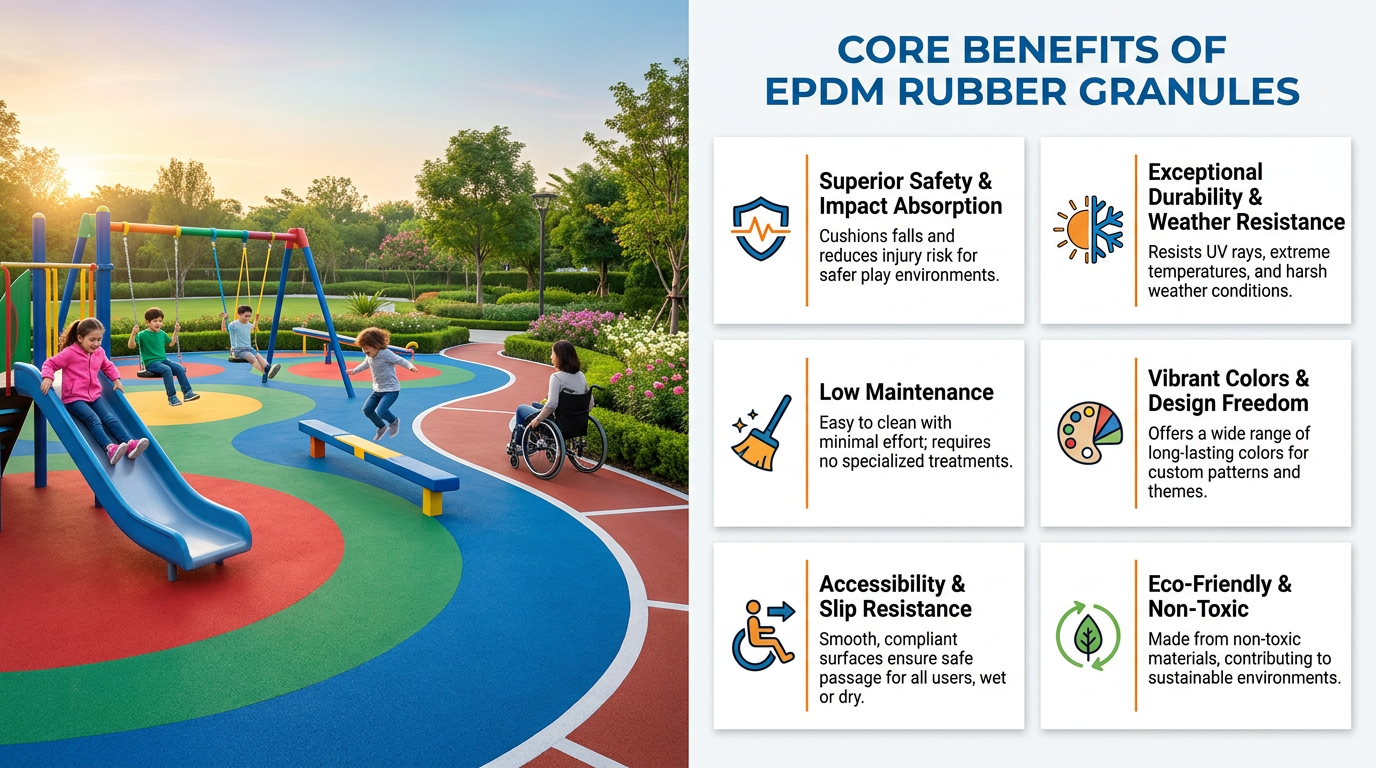
- Superior Safety and Impact Absorption: The primary benefit of EPDM surfacing, especially in playgrounds, is its ability to cushion falls. When installed at the proper depth over a shock-absorbing base layer (often made of recycled SBR rubber), it meets critical fall height (CFH) safety standards, significantly reducing the risk of serious injury.
- Exceptional Durability and Resilience: EPDM is engineered to withstand the elements. It resists degradation from UV exposure, extreme temperatures, moisture, and ozone. This means it won't crack in the cold or become brittle in the sun, ensuring a long lifespan even in high-traffic areas.
- Low Maintenance: Unlike loose-fill surfaces like wood chips or sand that require constant replenishment and leveling, EPDM poured-in-place surfaces are seamless and solid. Routine maintenance typically involves simple cleaning with a broom, leaf blower, or mild detergent and water to keep the surface free of debris.
- Vibrant Colors and Design Freedom: EPDM granules are available in a wide spectrum of bright, stable colors. This allows designers to create engaging, vibrant environments with intricate patterns, logos, and games, transforming a simple surface into a key feature of the space.
- Accessibility and Slip Resistance: The seamless, smooth finish of a poured EPDM surface makes it ADA-compliant and accessible for wheelchairs and strollers. Its porous nature allows water to drain through, and the textured surface provides excellent slip resistance, even in wet conditions, making it ideal for pool decks and water play areas.
- Environmental Considerations: Many EPDM surfacing systems incorporate a base layer made from recycled tires, contributing to waste reduction. The EPDM granules themselves are non-toxic and free from harmful chemicals, making them a safe choice for children and the environment.
Selecting Your Supplier: Common Questions and an EPDM Rubber Granules Distribution Guide
Choosing a supplier is a critical step that directly impacts the quality, safety, and cost-effectiveness of your project. A knowledgeable and reputable EPDM distributor acts as a partner, ensuring you receive materials that meet your exact specifications. This section will guide you through evaluating granule quality and finding a trustworthy supplier.
Choosing Quality: Factors to Evaluate in Rubber Granules
Not all EPDM is created equal. Low-quality granules can lead to premature fading, cracking, and a loss of elasticity, compromising both the appearance and safety of the surface. When assessing EPDM, focus on these three key areas:
Size, Consistency, and Aesthetic Color Options
The physical properties of the granules are the first indicator of quality.
- Size and Consistency: EPDM granules are typically available in sizes ranging from 0.5mm to 4mm. Common sizes for playground top layers are 1-3mm and 2-4mm. Consistent granule size is crucial for a smooth, uniform installation and predictable performance. Inconsistent sizing can result in a rough finish, poor compaction, and increased binder consumption. Reputable suppliers use advanced technology to ensure consistent sizing within each batch.
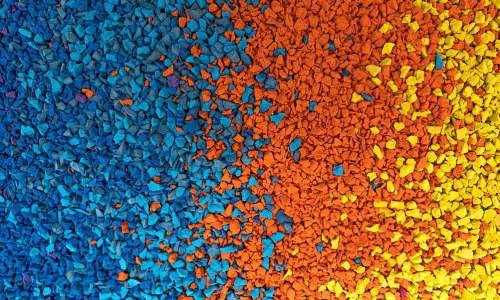
- Aesthetic Color Options: A key advantage of EPDM is its availability in a vast range of vibrant colors. High-quality granules are made with premium pigments and manufacturing processes that ensure the color is consistent throughout the particle, not just a surface coating. This "through-and-through" color means that as the surface wears over time, the appearance remains uniform. Ask potential suppliers for color charts and inquire about their UV-stabilization processes, as this is critical for long-term colorfastness, especially in sunny climates.
Material Composition and Ensuring Long-Term Durability
The chemical makeup of the granule is the most important factor in its long-term performance.
- Polymer Content: The durability and elasticity of an EPDM granule are directly related to its polymer content. Higher EPDM polymer content results in a more resilient and long-lasting product. Low-quality granules often contain high levels of fillers, like calcium carbonate, or recycled rubber dust, which reduce cost but significantly compromise durability, leading to hardening and cracking over time. Always ask a supplier for the specific EPDM polymer percentage in their granules.
- Purity and Cleanliness: Granules should be clean-cut with minimal dust. Excessive rubber dust can interfere with the binding process, weakening the final surface. The granules should also be free of impurities that could affect performance or safety.
- Binder Compatibility: The EPDM granules must bond effectively with a polyurethane (PU) binder to form a strong, stable matrix. Reputable distributors can provide guidance on the correct binder-to-granule ratio and recommend a high-quality, UV-stable aliphatic binder, which is essential for preventing yellowing and degradation of the surface, especially for light-colored granules.
Environmental and Safety Considerations for Your Project
Ensuring the material is safe for users and the environment is non-negotiable.
- Non-Toxicity: Virgin EPDM granules from a reliable manufacturer are non-toxic and free from harmful substances like heavy metals, phthalates, and VOCs (Volatile Organic Compounds). This is especially critical for playgrounds and other areas frequented by children.
- Safety Certifications: Always verify that the granules and the complete surfacing system comply with key safety standards. For playgrounds in the United States, the surface must be tested according to ASTM F1292 for impact attenuation. Other relevant international standards include EN 1177. Reputable suppliers will readily provide compliance certificates for their products.
- Environmental Friendliness: While the EPDM top layer is typically made from virgin rubber for color purity and quality control, the base or "shock pad" layer of a poured-in-place system is often made from recycled SBR (styrene-butadiene rubber) from tires. This creates a sustainable system that diverts waste from landfills.
Finding a Reputable EPDM Distributor
The right distributor is more than just a seller; they are a resource for technical information, quality assurance, and support.
The Role of Online Reviews and Customer Testimonials
In today's digital age, a supplier's reputation is often transparent. Look for online reviews, case studies, and testimonials from other contractors or facility managers. While isolated negative reviews can happen, a consistent pattern of complaints about product quality, shipping delays, or poor customer service is a major red flag. Conversely, a history of positive feedback indicates a supplier who is reliable and values their customers.
Verifying Quality Assurance Measures and Third-Party Testing
A trustworthy distributor will be transparent about their quality control processes.
- Ask for Documentation: Don't hesitate to ask for technical data sheets (TDS) and material safety data sheets (MSDS) for both the EPDM granules and the recommended binder. These documents contain crucial information about the material's physical properties, composition, and safety.
- Third-Party Testing: The most reputable suppliers will have their products independently tested by third-party laboratories like SGS or Intertek. This verification confirms that the material meets industry standards for safety, composition, and performance. A supplier's internal QC data is good, but independent verification provides an unbiased assurance of quality.
- Request Samples: Before placing a large order, request samples of the granules in your desired colors. This allows you to physically inspect the consistency, color, and cleanliness of the product.
Red Flags to Avoid When Purchasing EPDM Rubber Granules
During your search, be wary of certain warning signs that may indicate a low-quality product or an unreliable supplier.
- Lack of Transparency: A supplier who is unwilling to provide detailed technical specifications, certifications, or information about their manufacturing process is a major red flag. Transparency is a hallmark of a reputable company.
- Unusually Low Prices: While cost is always a factor, an exceptionally low price compared to the market average can be an indicator of low polymer content, high filler levels, or other quality compromises. Quality EPDM is an engineered material, and its price reflects its performance characteristics.
- Inconsistent Product Quality: If samples show variations in granule size, color, or contain a high amount of dust, it suggests poor manufacturing and quality control.
- No Post-Installation Support: A good distributor's job doesn't end when the product is shipped. They should be available to answer questions about installation best practices and provide guidance if issues arise.
- Non-Compliance with Standards: Any supplier unable or unwilling to provide proof of compliance with essential safety and environmental standards (like ASTM, EN, REACH) should be avoided entirely.
Beyond the Purchase: Installation, Maintenance, and Longevity of EPDM Rubber Granules
Purchasing high-quality EPDM granules is the first step. Proper installation and diligent maintenance are what truly guarantee a safe, attractive, and long-lasting surface. A flawless installation prevents premature failure, while a consistent maintenance routine can add years to the life of your investment.
Essential Site Preparation and Installation Considerations
The success of a poured-in-place rubber surface begins with the ground it's built on. A stable and well-prepared substrate is non-negotiable.
- Substrate Requirements: EPDM surfacing is typically installed over a solid, stable base like concrete, asphalt, or compacted aggregate. The substrate must be clean, dry, and free of any loose debris, oils, or contaminants that could interfere with binder adhesion. Any cracks or significant imperfections in the base should be repaired before installation begins.
- Proper Drainage: The substrate must be properly graded to ensure adequate drainage. Poured-in-place rubber is porous, but standing water on or below the surface can lead to material degradation, moss growth, and damage during freeze-thaw cycles.
- Weather Conditions: Installation should only occur in dry weather and when the temperature is within the manufacturer's recommended range, typically above 10°C (50°F). Humidity and temperature can affect the curing time and final strength of the polyurethane binder.
- Mixing and Application: The EPDM granules and binder must be mixed precisely according to the supplier's recommended ratio. The mixture is then poured onto the prepared base and hand-troweled by skilled installers to achieve a consistent thickness and a smooth, seamless finish.
Depth and Safety: Understanding Impact Attenuation and Cost Drivers
For playgrounds, the thickness of the rubber surface is directly linked to its safety performance.
- Critical Fall Height (CFH): This is the maximum height from which a user can fall without sustaining a life-threatening head injury. Safety standards like ASTM F1292 in the U.S. and EN 1177 in Europe dictate the required CFH for playground surfaces based on the height of the play equipment.
- Two-Layer System: To achieve the necessary impact absorption, poured-in-place surfaces are typically installed as a two-layer system. A base "shock pad" layer, usually made of larger, less expensive SBR rubber granules, provides the cushioning. The depth of this layer is engineered to meet the specific CFH requirement—the higher the equipment, the thicker the base layer. A top "wear" layer of colored EPDM granules (commonly 10-15mm thick) provides the durability, UV resistance, and aesthetic finish.
- Cost Implications: The total thickness of the system is a primary driver of cost, as it dictates the amount of material required. While it may be tempting to reduce the thickness to save money, this can compromise safety and lead to non-compliance with regulations.
Routine Maintenance Tips for Extending EPDM Surface Life
While EPDM is a low-maintenance material, a simple and regular care routine will preserve its appearance and functionality for years to come.
- Regular Cleaning: Use a leaf blower, soft broom, or a low-pressure water hose to regularly remove loose dirt, leaves, and other organic debris. This prevents the build-up of material that can clog the surface's pores, impede drainage, and become a slip hazard.
- Stain Removal: For more stubborn stains or spills, use a soft-bristle brush with a mild, pH-neutral detergent and water. Gently scrub the affected area and rinse thoroughly with clean water. Avoid using harsh chemicals, solvents, bleach, or abrasive cleaners, as these can damage the rubber granules and binder.
- Periodic Inspections: Conduct regular visual inspections of the surface, especially after heavy use or extreme weather. Look for any signs of damage such as cracks, tears, loose edges, or areas of thinning in high-wear zones (e.g., under swings or at the base of slides).
- Preventative Measures: Avoid placing sharp objects, heavy furniture with sharp legs, or heavy equipment directly on the surface. If heavy items are necessary, use protective mats to distribute the weight and prevent indentations. Prohibit activities like skateboarding or cycling with sharp pedals that could cut or gouge the surface.

Effective Repair Strategies for Poured-in-Place Rubber
Even the most durable surface can sustain damage over time. Addressing issues promptly is key to preventing small problems from becoming large, expensive ones.
Targeted Solutions for Minor Damage: Grouting and Protective Coats
For isolated or minor issues, targeted repairs are often sufficient.
- Small Cuts and Tears: Small tears or cracks can often be repaired using a specialized EPDM repair kit, which typically includes matching EPDM granules and a small amount of binder. The damaged area is cleaned, the new material is patched in, and it's allowed to cure.
- Fading and Surface Wear: Over many years, a surface may lose some of its original luster due to UV exposure and traffic. A professional can apply a clear polyurethane "re-binder" or protective coat. This application can rejuvenate the color, restore UV protection, and bind any loose granules, extending the surface's life at a fraction of the cost of replacement.
Addressing Extensive Wear: Reapplication and Major Repairs (e.g., FlexTop)
When damage is more widespread, affects the base layer, or involves significant shrinkage, a more substantial repair is necessary.
- Re-topping: If the EPDM wear layer is extensively worn but the shock pad base layer is still intact, a new layer of EPDM can be installed directly over the old one. First, the existing surface must be thoroughly cleaned and primed to ensure proper adhesion. Then, a new EPDM and binder mixture is troweled over the top, creating a brand-new surface.
- Cut-and-Replace: For larger areas of damage that extend into the base layer, the compromised section must be cut out completely. A new base layer is installed to the correct depth, followed by a new EPDM top layer, carefully seaming it into the existing surface.
- Advanced Systems (FlexTop): Some manufacturers offer specialized systems for resurfacing heavily worn or damaged areas. These systems often involve a unique binder or application method designed to bond strongly to the existing surface and provide a durable, flexible, and new-looking finish.
Ensuring Compliance and Customization: An Advanced EPDM Distributor FAQ
As you move from a basic understanding to planning a specific project, more advanced questions about regulatory compliance, customization, and long-term support will arise. A proficient distributor should be able to provide clear answers and solutions tailored to your unique requirements.
Regulatory Compliance and Certifications for EPDM Surfaces
Compliance is not optional—it is a mandatory requirement for ensuring safety and limiting liability, particularly in public spaces and playgrounds.
- Key Safety Standards: The most critical standard for playground surfacing in the United States is ASTM F1292, "Standard Specification for Impact Attenuation of Surfacing Materials Within the Use Zone of Playground Equipment." This standard specifies the performance requirements for shock absorption and is used to determine a surface's Critical Fall Height (CFH) rating. Other important certifications include compliance with the Consumer Product Safety Commission (CPSC) guidelines. In Europe, EN 1177 serves a similar purpose.
- Environmental and Material Safety: Look for compliance with standards like REACH (Registration, Evaluation, Authorisation and Restriction of Chemicals) and RoHS (Restriction of Hazardous Substances), which ensure the materials are free from harmful chemicals. This is crucial for demonstrating that the surface is non-toxic and safe for children.
- Verifying Compliance: Your supplier should provide current, unexpired certificates from accredited third-party testing laboratories for any compliance claims they make. Do not accept a supplier's word alone; always ask for the official documentation.
Customization Options and Addressing Project-Specific Needs
One of the great strengths of EPDM is its versatility. A good supplier can work with you to tailor the material to your project's exact functional and aesthetic goals.
- Custom Colors and Blends: Beyond a standard color chart, many distributors can create custom colors to match branding guidelines or specific design palettes. They can also formulate custom blends of multiple colors to create unique, speckled looks.
- Granule Size for Specific Applications: While 1-3mm or 2-4mm is common for playgrounds, other applications might benefit from different sizes. For example, a finer granule (0.5-1.5mm) might be used for creating intricate logos or indoor flooring where a smoother texture is desired, while a coarser granule could be used in certain athletic track systems.
- Project-Specific Technical Advice: Your distributor should be able to provide recommendations based on your project's unique factors, such as climate, expected foot traffic, and specific use case (e.g., playground vs. athletic track vs. pool deck). They can advise on the optimal surface thickness, binder type (aromatic vs. aliphatic), and installation techniques.
Understanding Warranties and Post-Installation Support
A warranty provides a safety net and reflects a manufacturer's confidence in their product.
- What Does a Warranty Cover? Carefully read the warranty details. Typically, a manufacturer's warranty for EPDM granules covers defects in the material itself, such as significant color fading beyond normal expectations (UV degradation) or material disintegration, for a specified period. It's important to note that warranties usually do not cover issues arising from improper installation, inadequate substrate preparation, poor maintenance, or vandalism.
- The Role of the Installer: The installer often provides a separate warranty on their workmanship. This highlights the importance of using a certified or highly experienced installation crew, as installation error is a common cause of surface failure.
- Post-Installation Support: A reputable supplier and installer will stand by their work. They should be available to answer maintenance questions and provide guidance on repairs if any issues arise after the project is complete. Clarify the process for making a warranty claim before you finalize your purchase.
Frequently Asked Questions (FAQ)
Q1: What level of design support can I expect from a supplier for creating custom graphics and patterns?
A: Reputable suppliers often provide significant design support. They can help translate your concepts into viable EPDM patterns, assisting with color selection and calculating the material quantities needed for logos, shapes, or interactive games. From a designer's perspective, their expertise is invaluable in ensuring the final aesthetic is both vibrant and installable, confirming that complex lines and color transitions are achievable with the troweling process.
Q2: What specific technical documents should I request to confirm the EPDM system meets my project's performance and safety specifications?
A: To ensure professional配合 (professional cooperation), you should request a complete technical data package. This includes: the Technical Data Sheet (TDS) for the EPDM granules and the PU binder, third-party ASTM F1292 or EN 1177 test reports confirming the Critical Fall Height at your specified thickness, and material safety certifications like REACH or RoHS compliance to verify non-toxicity. This documentation provides the data you need to confirm the system aligns with your architectural and safety requirements.
Q3: How much does the underlying substrate impact the final EPDM installation, and what are the key preparation steps a designer should be aware of?
A: The substrate is the foundation of the entire system; its integrity is critical. An EPDM surface requires a stable, solid base like concrete or compacted asphalt. Designers must ensure the substrate plan includes proper grading for drainage to prevent water damage. The surface must be clean, dry, and free of contaminants before the EPDM is installed. For compacted aggregate bases, a geotextile fabric may be needed to prevent weed growth and ensure stability.
Q4: Can a supplier provide project references or case studies that are similar to my specific application (e.g., water park, rooftop terrace)?
A: Yes, and this is a key part of due diligence. A high-quality supplier should be able to provide a portfolio of past projects. As a designer, asking for references similar to your application allows you to see how their materials perform in a comparable environment. This can reveal insights into color stability in high-UV areas, slip resistance in wet conditions, or durability in high-traffic commercial zones, confirming their ability to meet your specialized needs.
Q5: For large or custom-color projects, what are the typical lead times, and how does that impact project scheduling?
A: Standard colors are often in stock, but custom colors and large-quantity orders require a longer lead time, typically ranging from a few weeks to over a month, depending on the manufacturer. Designers should confirm these timelines early in the planning phase. It's crucial to coordinate the material delivery schedule with the site preparation and installation timeline, accounting for potential weather delays, to ensure the project progresses smoothly without costly interruptions.
Conclusion
Making an informed decision about EPDM rubber granules is a multi-faceted process that extends far beyond a simple price comparison. It begins with understanding the inherent qualities of this remarkable material—its durability, safety features, and design flexibility—and progresses through the critical stages of evaluating quality, selecting a trustworthy supplier, and ensuring flawless installation. By prioritizing factors like high polymer content, granule consistency, verified safety compliance, and supplier transparency, you pave the way for a successful surfacing project.
Ultimately, your goal is to create a surface that offers long-term value by prioritizing safety, quality, and sustainability. A high-performance EPDM surface is an investment in the well-being of its users and the aesthetic appeal of the environment. By following the guidance outlined in this buyer's guide—from asking for third-party certifications to implementing a routine maintenance plan—you can confidently achieve a durable, compliant, and visually stunning EPDM installation that will stand the test of time.
We hope this guide serves as a valuable resource for your future projects. If you have project-specific questions or need expert guidance, please do not hesitate to contact us{target="_blank"}. We encourage you to share this article with colleagues and join the conversation by leaving your comments or questions below.